

Sunflower Seeds and Peanuts: The Perfect Combo for Healthy Skin
Healthy and glowing skin starts from within, and what you eat plays a major role in maintaining it. Sunflower seeds and peanuts are two nutrient-rich foods that deeply nourish the skin and help maintain its natural radiance. Sunflower seeds are packed with Vitamin E and antioxidants that protect against UV damage and dryness, while peanuts are loaded with biotin, healthy fats, and protein that support cell repair and skin elasticity. When consumed together, they create a power-packed snack that strengthens the skin barrier, promotes hydration, and adds a healthy glow from within.
Nutritional Profile of Sunflower Seeds
While hazelnuts and anjeer are rich in nutrients that promote heart health, moderation is essential to avoid potential side effects. Overeating hazelnuts can lead to excess calorie intake, which may contribute to unwanted weight gain over time. Additionally, some individuals might experience digestive discomfort such as gas, bloating, or stomach cramps due to their dense fat and fibre content. People with a known nut allergy should strictly avoid hazelnuts, as even a small amount can trigger allergic reactions like itching, swelling, or difficulty breathing.
Anjeer, on the other hand, contains a significant amount of natural sugars and soluble fibre. Consuming it in large quantities can cause diarrhoea, bloating, or an imbalance in blood sugar levels, especially among diabetics. Those who have sensitive digestive systems or are prone to acidity should also limit their intake, as dried figs can occasionally aggravate these conditions.
Proper storage is equally important. Hazelnuts should be stored in airtight containers in a cool, dry place to prevent them from turning rancid, while anjeer should be kept away from moisture to avoid mould growth. Both should ideally be consumed within their shelf life to retain freshness and nutritional value. Pregnant women, people with diabetes, or anyone following a specific medical diet should consult their nutritionist or healthcare professional to determine the right portion size and frequency suitable for their condition.
Nutritional Profile of Peanuts
Peanuts are a rich source of protein, biotin, niacin, and healthy fats — all crucial for maintaining a healthy skin structure. Biotin aids in regenerating skin cells, while niacin improves the skin’s texture and tone. The monounsaturated fats present in peanuts support hydration by strengthening the skin’s natural lipid barrier. Peanuts also provide Vitamin B6 and folate, which aid in reducing inflammation and skin dullness. Including peanuts in your diet can result in smoother, softer, and more resilient skin.
Synergistic Benefits of Eating Them Together
When sunflower seeds and peanuts are eaten together, their nutrient composition creates a powerful synergy that deeply nourishes the skin from within. Sunflower seeds are rich in vitamin E, an antioxidant that neutralizes free radicals and prevents oxidative damage to skin cells. This protection helps slow down premature aging, reducing the appearance of fine lines and dullness. Peanuts, on the other hand, provide healthy monounsaturated fats and biotin, which support the skin’s natural oil barrier and prevent dryness. When combined, these nutrients ensure the skin remains hydrated, supple, and naturally radiant.
For those dealing with skin inflammation or acne, this duo offers additional benefits. Sunflower seeds supply zinc and selenium, which help regulate sebum production and reduce acne-causing bacteria, while also promoting faster wound healing. Meanwhile, the niacin in peanuts enhances blood circulation and encourages an even, glowing complexion by repairing damaged skin tissues. Regular consumption of this combination supports collagen synthesis, strengthens the skin’s structure, and improves elasticity.
Together, sunflower seeds and peanuts create a nutrient-dense snack that delivers antioxidants, essential fatty acids, and proteins that work harmoniously to maintain youthful, balanced, and clear skin. Whether eaten as a mid-morning snack or added to smoothies and salads, this pairing provides a delicious and functional way to enhance long-term skin health.
How to Consume Sunflower Seeds and Peanuts Daily
Including sunflower seeds and peanuts in your daily diet can be a simple and delicious way to improve your overall health. A small handful of sunflower seeds (about 1–2 tablespoons) and 10–15 peanuts is generally considered an ideal portion for daily consumption. This combination provides a rich source of healthy fats, plant-based protein, vitamin E, magnesium, and antioxidants that support heart health, skin radiance, and energy balance throughout the day.
You can enjoy them as a mid-morning or evening snack to curb hunger and maintain steady energy levels. Mixing sunflower seeds and peanuts into salads, oatmeal, or yogurt bowls adds a pleasant crunch while increasing the nutritional value of your meal. They also work perfectly in smoothies or homemade energy bars, offering both taste and nourishment.
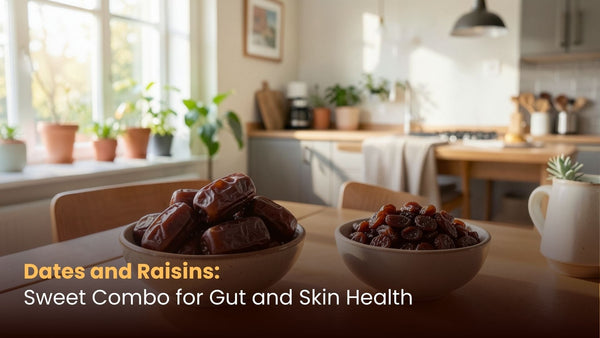
For those who prefer something savory, roasted peanuts and sunflower seeds with a light sprinkle of salt or spices make an excellent snack between meals. If you enjoy sweet combinations, mix them with dates, raisins, or figs for a nutrient-dense trail mix that keeps you full for longer periods.
Pairing sunflower seeds and peanuts with fruits high in vitamin C, such as oranges, strawberries, or kiwi, enhances the absorption of vitamin E and collagen production, contributing to glowing and youthful skin.
On busy mornings, a quick blend of roasted peanuts, sunflower seeds, and a drizzle of honey can serve as a wholesome breakfast alternative. It’s not only easy to prepare but also provides sustained energy, making it a convenient option for students, professionals, and fitness enthusiasts.
Ensure you choose unsalted, unflavored varieties to avoid excessive sodium or added sugar intake. Roasting them lightly at home helps enhance flavor without compromising nutrients. Proper storage in airtight containers away from moisture and sunlight will also preserve their freshness and prevent rancidity.
Regular, mindful consumption of sunflower seeds and peanuts can make a noticeable difference in your heart health, skin texture, and daily energy — all while being an affordable and versatile addition to your everyday diet.
Best Time to Eat for Skin Glow
The best time to eat sunflower seeds and peanuts for glowing skin is in the morning or as a mid-evening snack. When consumed in the morning, they provide your body with an early dose of essential nutrients like vitamin E, zinc, and healthy fats that promote skin repair and protect against environmental damage. These nutrients also help maintain hydration and elasticity throughout the day, giving your skin a natural radiance.
Eating sunflower seeds and peanuts in the evening, especially between 4 p.m. and 6 p.m., can help restore skin cells after daily exposure to pollution and stress. This time allows your body to absorb nutrients more efficiently, replenishing antioxidants and healthy fats that work overnight to repair damaged tissues and support collagen formation.
To enhance the skin benefits further, pair them with foods rich in vitamin C, such as berries, citrus fruits, or kiwi, as it helps in better absorption of antioxidants. You can also sprinkle sunflower seeds on yogurt, oatmeal, or salads and enjoy peanuts as part of a trail mix with raisins or dates. Consistency matters more than quantity — eating a small handful of these nutrient-packed foods daily can significantly improve your skin’s texture, hydration, and glow over time.
Precautions and Allergies to Watch Out For
Although sunflower seeds and peanuts are healthy, excessive consumption can lead to unwanted calorie intake. People with nut or seed allergies should exercise caution and consult their doctor before adding them to their diet. Always choose unsalted, raw, or dry-roasted versions to avoid excess sodium and preservatives that can harm skin and overall health. It’s also advisable to store them in airtight containers in a cool, dry place to prevent rancidity. Moderation is key — overconsumption may lead to digestive discomfort or acne flare-ups in sensitive individuals.
Comparison: Raw vs Roasted Forms
Raw sunflower seeds and peanuts preserve their natural vitamins and minerals better than heavily roasted or salted ones. However, lightly roasted options are still beneficial as long as they’re unsalted and oil-free. Roasting can improve taste and digestibility but may slightly reduce heat-sensitive nutrients like Vitamin E. For the best results, include a mix of both raw and lightly roasted forms in your diet. Avoid fried or flavored versions, as they often contain added oils and sugar that reduce their skin benefits.
Lifestyle Tips to Enhance Skin Health Naturally
Lifestyle habits have a significant influence on skin health, often just as much as nutrition. Along with incorporating sunflower seeds and peanuts into your diet, focusing on your daily routines can make a noticeable difference in your skin’s texture, elasticity, and glow. Hydration is the foundation of healthy skin — drinking 8 to 10 glasses of water daily helps flush out toxins, maintain moisture balance, and prevent dryness or dullness. Adequate sleep, ideally 7 to 8 hours each night, allows your skin to repair and regenerate, reducing the appearance of dark circles and fine lines.
It’s also important to protect your skin from excessive sun exposure by using sunscreen with a suitable SPF, wearing hats or sunglasses, and avoiding peak sunlight hours. Diet plays a major role — including a variety of colourful fruits, leafy greens, whole grains, and omega-rich foods provides essential antioxidants, vitamins A, C, and E, and minerals like zinc and selenium that nourish skin from within.
Regular physical activity, such as brisk walking, yoga, or strength training, improves blood circulation, ensuring that oxygen and nutrients reach skin cells efficiently. Exercise also promotes collagen production, which helps keep skin firm and youthful. Managing stress is equally vital, as chronic stress raises cortisol levels, leading to breakouts, dullness, and premature aging. Simple practices like meditation, deep breathing, or spending time outdoors can significantly lower stress levels and support overall skin vitality.
By combining nutrient-rich foods with balanced sleep, hydration, protection, and stress management, you can create a sustainable routine that enhances your skin’s natural glow and resilience over time.
Conclusion
Sunflower seeds and peanuts are nature’s simple yet powerful solution for glowing, hydrated, and youthful skin. Their combination of antioxidants, healthy fats, and essential nutrients promotes natural radiance and helps maintain long-term skin health. To ensure premium quality and freshness, choose nutrient-rich nuts and seeds from Krishival — a trusted name known for delivering pure and high-quality dry fruits. Add this duo to your daily routine and experience the difference in your skin’s glow, texture, and vitality.
Frequently Asked Questions (FAQs)
Q1. Are sunflower seeds and peanuts good for glowing skin?
Yes, they are excellent for improving skin glow. Sunflower seeds are rich in Vitamin E and antioxidants that protect the skin from oxidative damage, while peanuts supply healthy fats and biotin that support hydration and repair.
Q2. How often should I eat sunflower seeds and peanuts for visible results?
Including them 4–5 times a week in moderate portions can help you notice visible improvements in skin texture and brightness within a few weeks, especially when combined with a balanced diet and hydration.
Q3. Can I eat them together daily without weight gain?
Yes, when eaten in moderation. Around one tablespoon of sunflower seeds and 10–15 peanuts per day is sufficient. They provide healthy fats that support skin health without contributing to unnecessary calorie excess.
Q4. Which is better for skin—sunflower seeds or peanuts?
Both are beneficial in unique ways. Sunflower seeds excel in antioxidant protection due to Vitamin E, while peanuts are superior for cell regeneration because of their biotin and protein content. Consuming both ensures complete skin nourishment.
Q5. Do these foods help with acne or oily skin?
Yes, zinc and selenium in sunflower seeds help control oil production and reduce acne-causing bacteria. Peanuts, being rich in niacin, also help reduce inflammation and even out skin tone.
Q6. What is the best portion size for daily intake?
The ideal serving size is 1–2 tablespoons of sunflower seeds and 10–15 peanuts daily. This provides essential nutrients without overloading on calories or fats.
Q7. Can roasted peanuts and seeds still benefit skin health?
Yes, lightly roasted and unsalted versions retain most of their nutrients and are easier to digest. Avoid heavily salted, fried, or flavored varieties as they may negate the skin benefits.
Q8. Are there any side effects of eating them in excess?
Overeating may lead to acne breakouts, digestive discomfort, or weight gain due to high calorie and fat content. People with nut allergies should completely avoid peanuts and opt for other seed-based alternatives.
Q9. How can I add this combo to my smoothies or breakfast bowls?
You can sprinkle crushed sunflower seeds and peanuts over smoothies, oatmeal, or fruit bowls. They add a nutty flavor, healthy fats, and a satisfying crunch that enhances your meal’s nutritional value.
Q10. How long does it take to see improvements in skin texture and glow?
Results vary, but with regular intake and a healthy diet, noticeable improvements can be seen in about 3–4 weeks. Consistency is key to achieving and maintaining long-term skin radiance.

Share Your Thoughts