

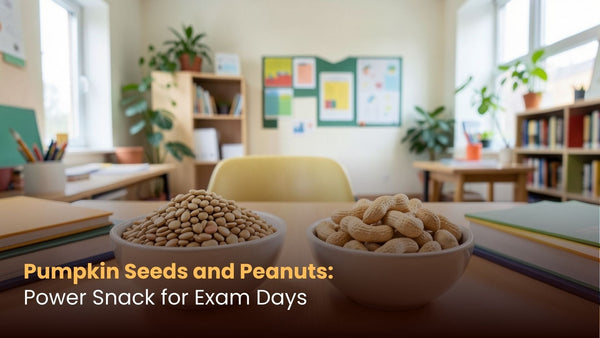
Pumpkin seeds and peanuts are simple, affordable foods that can support students during intense exam preparation. Pumpkin seeds provide magnesium, zinc, and healthy fats that nourish the brain. Peanuts offer plant-based protein and steady energy that helps maintain focus for longer study hours. Instead of reaching for sugary snacks that cause energy crashes, students can rely on Pumpkin Seeds and Peanuts for balanced nutrition. When eaten in the right portions, these foods help manage hunger, reduce stress-related fatigue, and support mental clarity during exam days.
Why Pumpkin Seeds and Peanuts Are Ideal for Exam Days
Exam periods demand long hours of concentration and emotional stability. Pumpkin seeds and peanuts are ideal because they deliver slow-digesting nutrients. Their combination of healthy fats, protein, and minerals helps prevent sudden drops in blood sugar. Unlike processed snacks, they provide steady fuel without causing sluggishness. They are also easy to carry, require no preparation, and can be consumed between study sessions.
Nutritional Breakdown of Pumpkin Seeds and Peanuts
Pumpkin Seeds (28g approx.)
- Calories: 150–170 kcal
- Protein: 7g
- Healthy fats: 13g
- Magnesium: High
- Zinc: Moderate
- Iron and antioxidants present
Peanuts (28g approx.)
- Calories: 160–170 kcal
- Protein: 7–8g
- Healthy fats: 14g
- Vitamin B3 (niacin): High
- Folate and manganese present
Pumpkin seeds stand out for magnesium and zinc, while peanuts offer higher niacin content that supports brain function.
Pumpkin Seeds and Peanuts Benefits for Brain Power During Exams
During exam preparation, the brain requires a steady supply of nutrients to maintain alertness, memory retention, and mental endurance. Pumpkin seeds and peanuts provide a combination of minerals, vitamins, and healthy fats that directly support these functions.
Magnesium in pumpkin seeds plays a central role in nerve signalling. It helps regulate communication between brain cells and supports the transmission of electrical impulses that allow thoughts, memory processing, and concentration to occur efficiently. When magnesium levels are low, individuals may experience increased fatigue, irritability, or difficulty focusing. Including pumpkin seeds as part of a study routine may help reduce mental tiredness, especially during long revision sessions.
Zinc, another key mineral found in pumpkin seeds, is involved in cognitive development and memory formation. It supports neurotransmitter activity and contributes to immune balance, which is particularly important during exam periods when stress levels rise. High stress can temporarily weaken immunity, and maintaining adequate zinc intake helps support overall resilience.
Peanuts contribute significantly through their niacin (vitamin B3) content. Niacin supports energy metabolism in brain cells, ensuring that glucose is efficiently converted into usable energy. This is important because the brain depends heavily on a continuous energy supply. Adequate niacin intake is associated with improved cognitive performance and mental clarity.
Both pumpkin seeds and peanuts are rich in healthy fats, particularly unsaturated fats. These fats are essential components of brain cell membranes. They help maintain the structural integrity and flexibility of brain cells, which supports efficient communication between neurons. Healthy fats also assist in maintaining long-term cognitive health by supporting overall neurological function.
When consumed in appropriate portions, pumpkin seeds and peanuts provide steady nourishment without causing blood sugar spikes. This steady energy release helps students maintain clarity, sustained focus, and mental endurance throughout demanding study hours.
Pumpkin Seeds and Peanuts for Sustained Energy and Focus
Pumpkin seeds and peanuts provide a steady and reliable source of energy because of their balanced combination of protein, healthy fats, and small amounts of complex carbohydrates. Unlike refined snacks such as biscuits, candies, or sugary drinks that quickly raise blood sugar levels and then cause a sharp drop, these nutrient-dense foods digest gradually. This slower digestion process helps maintain stable blood glucose levels, which is essential for sustained mental performance during long study hours.
The protein content in both pumpkin seeds and peanuts plays an important role in supporting neurotransmitter function. Stable protein intake helps maintain alertness and reduces mental fatigue. At the same time, the healthy fats present in these foods act as a concentrated energy source. Fats take longer to break down compared to simple sugars, which means the body receives a steady supply of fuel rather than a quick burst followed by exhaustion.
Students who rely on sugary snacks often experience an initial boost in alertness, followed by reduced concentration, irritability, or sleepiness. In contrast, pumpkin seeds and peanuts help avoid this cycle. Their nutrient profile supports consistent energy output, allowing students to stay focused during revision sessions, practice tests, or long lectures. Additionally, because these foods promote satiety, they reduce distractions caused by frequent hunger signals.
Another advantage is that a steady energy supply supports cognitive endurance. During exams or preparation periods, the brain requires continuous fuel. By providing sustained energy, pumpkin seeds and peanuts contribute to improved attention span, better task completion, and reduced mid-session fatigue. When incorporated in controlled portions, they become a practical and effective study companion for maintaining focus throughout demanding academic schedules.
How Pumpkin Seeds and Peanuts Reduce Exam Stress
Exam periods often bring prolonged mental pressure, irregular sleep, and emotional fluctuations. Nutritional support plays a meaningful role in helping the body cope with this stress. Pumpkin seeds and peanuts contribute in different but complementary ways.
Pumpkin seeds are particularly rich in magnesium, a mineral that supports muscle relaxation and helps regulate the body’s stress response. Magnesium plays a role in controlling cortisol, the primary stress hormone. When magnesium intake is adequate, the nervous system tends to respond more calmly to stress signals. Students who experience tension headaches, muscle tightness, or restlessness during exam preparation may benefit from including magnesium-rich foods like pumpkin seeds in their routine.
Peanuts contribute through their content of tryptophan and B vitamins, especially niacin and folate. Tryptophan is an amino acid involved in the production of serotonin, a neurotransmitter associated with mood balance and emotional stability. Adequate serotonin levels help manage irritability and mood swings that can arise during high-pressure academic periods. B vitamins further support energy metabolism and brain function, which can prevent mental exhaustion that often worsens stress.
Another important factor is blood sugar stability. Stress levels tend to increase when blood glucose fluctuates rapidly. Sugary snacks may offer temporary comfort but often lead to energy crashes, which can intensify anxiety and fatigue. The combination of protein and healthy fats in pumpkin seeds and peanuts slows digestion and promotes steady energy release. This helps prevent sudden hunger and stress-related cravings, especially late at night.
Exams can also disturb sleep patterns. Magnesium in pumpkin seeds supports relaxation of muscles and the nervous system, potentially contributing to improved sleep quality when included as part of a balanced evening snack. Better sleep indirectly improves resilience to stress and supports clearer thinking the next day.
By offering steady energy, mood-supportive nutrients, and mineral support for the nervous system, pumpkin seeds and peanuts serve as practical dietary tools during exam preparation. While they are not substitutes for adequate rest and structured study habits, they can contribute to emotional steadiness and better stress management when consumed mindfully.
Simple Recipes for Pumpkin Seeds and Peanuts Power Snacks
- Study Trail Mix Combine roasted pumpkin seeds and peanuts with a small portion of raisins.
- Peanut and Seed Energy Bites Blend crushed peanuts, pumpkin seeds, and dates into small balls.
- Yogurt Crunch Bowl Sprinkle pumpkin seeds and peanuts over plain yoghurt.
- Lightly Spiced Roasted Mix Dry-roast both with a pinch of salt and cumin for a savoury option.
Portion Sizes and Daily Intake for Exam Prep
Recommended portion:
- 20–30 grams combined per serving
- 1–2 servings daily during exam periods
Overconsumption can add excess calories, so portion awareness is important.
Real Stories: Students Who Thrived with Pumpkin Seeds and Peanuts
Case 1: College student (age 20) Replaced packaged chips with a seed-and-peanut mix during finals and noticed improved concentration without energy crashes.
Case 2: Competitive exam aspirant (age 24) Consumed pumpkin seeds nightly and reported reduced muscle tension and better sleep quality.
Case 3: High school student (age 17) Added peanuts as a mid-study snack and found fewer cravings for sweets.
Potential Downsides and Precautions
- High calorie density if eaten in large amounts
- Risk of peanut allergies
- Salted versions may increase sodium intake
- Excess consumption may cause mild bloating
Moderation remains essential.
Tips to Incorporate Pumpkin Seeds and Peanuts into Your Routine
Keep a small jar near your study desk Place a small airtight jar of pumpkin seeds and peanuts on your study table so that healthy snacking becomes convenient. When nutritious options are within reach, students are less likely to grab processed snacks from the kitchen. Visibility plays a strong role in habit formation. Seeing the jar during study breaks can serve as a reminder to choose balanced fuel instead of sugary alternatives. Make sure the jar is sealed properly to maintain freshness and prevent exposure to moisture.
Pre-portion snacks to avoid overeating Pumpkin seeds and peanuts are nutrient-dense and calorie-rich. Instead of eating directly from a large packet, divide it into small daily portions of about 20–30 grams. You can use small containers or reusable snack pouches for each study session. Pre-portioning reduces mindless eating, especially during long revision hours when stress can increase snacking frequency. This simple step helps maintain nutritional balance without excess calorie intake.
Combine with fruits for variety Adding fruits such as apple slices, banana pieces, or a few raisins alongside pumpkin seeds and peanuts creates a balanced snack. Fruits provide natural carbohydrates and fibre, while the seeds and nuts supply protein and healthy fats. This combination improves taste, texture, and nutritional diversity. It also helps maintain steady energy because the fibre and fats slow down the absorption of natural sugars from fruits.
Choose unsalted or lightly roasted options Opt for raw or lightly dry-roasted pumpkin seeds and peanuts without excessive salt or added oils. Highly salted varieties can increase sodium intake, which is not ideal during stressful exam periods. Light roasting preserves flavour while maintaining most of the nutritional value. Reading labels before purchase helps ensure you select options with minimal processing and no unnecessary additives.
Conclusion
Pumpkin seeds and peanuts are practical, nutrient-rich snacks that support focus, energy, and stress balance during exams. Their combination of protein, healthy fats, and essential minerals makes them a smarter alternative to processed snacks. Choosing high-quality, fresh nuts ensures better taste and nutritional value. Brands like Krishival focus on careful sourcing and freshness, making it easier to include clean, wholesome snack options in a student’s routine during exam season.
FAQs
1. How do pumpkin seeds support brain function during exams?
Pumpkin seeds are rich in magnesium, zinc, and healthy fats. Magnesium supports nerve signalling and helps reduce mental fatigue, while zinc plays a role in memory and cognitive processing. The healthy fats contribute to overall brain cell structure and function, making pumpkin seeds a supportive snack during intensive study sessions.
2. Why are peanuts considered a good study snack?
Peanuts provide plant-based protein, healthy fats, and niacin (vitamin B3). Niacin supports cognitive performance and energy metabolism. The protein and fat combination slows digestion, helping maintain steady energy levels during long hours of revision without causing sudden crashes.
3. Can pumpkin seeds and peanuts improve concentration?
Yes, indirectly. Their balanced nutrient profile helps maintain stable blood sugar levels, which prevents energy dips that affect focus. When energy remains stable, concentration tends to last longer compared to consuming sugary snacks.
4. How much pumpkin seeds and peanuts should students consume daily during exams?
A combined portion of 20–30 grams per serving is ideal. Students can consume this once or twice daily during exam preparation. Portion control is important because both foods are calorie-dense.
5. Do pumpkin seeds help reduce exam-related stress?
Pumpkin seeds contain magnesium, which plays a role in regulating stress responses and muscle relaxation. While they are not a treatment for anxiety, they can contribute to better stress management when included in a balanced diet.
6. Are peanuts helpful for sustained energy during long study sessions?
Yes. Peanuts contain healthy fats and protein that digest slowly. This slow digestion helps provide consistent energy, reducing the likelihood of mid-session fatigue or hunger.
7. Can pumpkin seeds and peanuts replace unhealthy evening snacks during exams?
Yes. Replacing chips, sweets, or processed snacks with pumpkin seeds and peanuts can reduce sugar intake and prevent energy crashes. They provide a more balanced nutrient profile suitable for sustained mental effort.
8. Are roasted pumpkin seeds and peanuts as effective as raw ones?
Lightly dry-roasted seeds and peanuts retain most nutrients. However, heavily salted or oil-fried versions may reduce their health benefits. Choosing unsalted or minimally processed options is preferable during exam periods.
9. Can these snacks help improve sleep quality during exams?
Pumpkin seeds contain magnesium and small amounts of tryptophan, while peanuts provide certain B vitamins. These nutrients may support relaxation and better sleep patterns, especially when exam stress disrupts rest.
10. Are pumpkin seeds and peanuts suitable for younger students?
Yes, provided there are no allergies. They should be given in small, age-appropriate portions. Whole peanuts may pose a choking risk for very young children and should be offered carefully.



Share Your Thoughts