

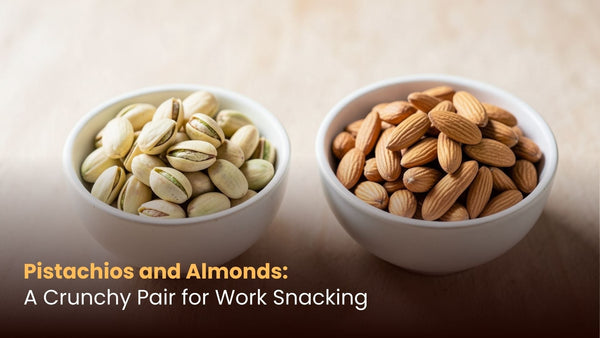
Pistachios and almonds are two of the most practical snack choices for busy workdays. Pistachios offer protein, fiber, and slow-releasing energy that helps prevent mid-day crashes, while almonds provide healthy fats and vitamin E that support focus and sustained stamina. When kept at desks or carried in bags, pistachios and almonds make it easier to snack smart at work without relying on sugary or highly processed options.
Why Pistachios and Almonds Excel as Work Snacks
Work snacks play an important role in maintaining energy, focus, and productivity throughout the day. Ideally, they should be easy to carry, quick to eat, and capable of keeping hunger in check without causing sluggishness. Pistachios and almonds fit these requirements well, making them especially suitable for office environments and busy work schedules.
One of the biggest advantages of pistachios and almonds is their portability. They can be stored in desk drawers, bags, or lunch boxes without the need for refrigeration. This convenience makes them accessible during meetings, long work hours, or travel between tasks. Their natural texture and shelf stability also reduce the mess often associated with other snack options.
From a nutritional perspective, pistachios and almonds are both filling and mentally energising. They contain a balanced mix of protein, healthy fats, and fiber that supports steady energy release rather than quick spikes. This helps maintain concentration and reduces the urge to snack repeatedly. Unlike biscuits or fried snacks that rely on refined carbohydrates, pistachios and almonds help stabilise blood sugar levels, which can prevent sudden fatigue and improve sustained focus during long work hours.
Nutritional Breakdown of Pistachios and Almonds
Pistachios and almonds offer complementary nutritional profiles that make them particularly suitable for supporting energy and focus during busy workdays. Pistachios are a good source of plant-based protein, which helps maintain muscle function and promotes satiety between meals. Their dietary fiber content supports digestion and slows the release of energy, reducing sudden hunger during long working hours. Pistachios also provide potassium, a mineral important for nerve signalling and muscle contraction, which can help reduce fatigue during extended periods of sitting or screen time. The antioxidants present in pistachios contribute to cellular protection and help counter oxidative stress associated with mental and physical strain.
Almonds are especially valued for their high vitamin E content, a powerful antioxidant that supports brain health and protects cells from stress-related damage. They are also rich in magnesium, which plays a role in energy production, stress regulation, and muscle relaxation. Calcium in almonds supports bone health, particularly important for individuals with sedentary desk jobs. Their monounsaturated fats help stabilise blood sugar levels and support metabolic health, providing longer-lasting energy without heaviness.
When consumed together, pistachios and almonds deliver a balanced combination of macronutrients such as protein, healthy fats, and fiber, along with essential micronutrients. This balanced profile supports sustained work performance by improving satiety, reducing energy fluctuations, and supporting mental clarity throughout the day.
Health Benefits for Busy Workdays
During busy workdays, the body and mind are under constant demand, making steady energy and focus essential. Regular consumption of nutrient-dense snacks like nuts helps maintain stable energy levels by preventing rapid fluctuations in blood sugar. Instead of quick spikes followed by crashes, the body receives a more gradual and sustained release of energy, which supports productivity throughout long working hours.
Healthy fats play an important role by slowing digestion and extending the feeling of fullness. This helps reduce frequent hunger and the urge to reach for sugary or highly processed snacks between meetings or tasks. Protein and dietary fibre further enhance satiety, ensuring that energy levels remain consistent even when meal timings are irregular.
Magnesium supports nerve function and helps regulate stress responses, which is particularly important during high-pressure work schedules. Antioxidants help combat oxidative fatigue caused by prolonged screen time, mental strain, and stress. Together, these nutrients support mental clarity, improved concentration, and better resilience during demanding workdays.
Pistachios and Almonds Compared Side by Side
When pistachios and almonds are compared side by side, each brings distinct nutritional advantages that make them well-suited for workday snacking. Pistachios are slightly lower in calories per serving and provide a higher amount of dietary fibre and potassium. The fiber supports digestion and satiety, while potassium helps with muscle function and fluid balance, which can be especially helpful during long hours of sitting or screen time.
Almonds, on the other hand, stand out for their higher vitamin E and calcium content. Vitamin E acts as an antioxidant that supports brain and skin health, while calcium contributes to bone strength and muscle function. Almonds also contain magnesium, which plays a role in managing stress and supporting nerve function, important during demanding work schedules.
From a behavioural perspective, pistachios are often eaten more slowly because of the shelling process, which naturally encourages mindful eating and better portion control. Almonds are quicker and more convenient to consume, making them suitable when time is limited. When combined, pistachios and almonds complement each other by offering balanced nutrients, varied textures, and a mix of slow and quick snacking options that support sustained energy and focus throughout the workday.
Simple Recipes for Crunchy Work Snacks
Simple, crunchy work snacks built around pistachios and almonds are easy to prepare and fit well into busy routines. One of the most convenient options is a dry mix made from unsalted pistachios and almonds, portioned into small containers at the start of the week. This mix travels well, stays fresh without refrigeration, and provides a reliable balance of protein, healthy fats, and fibre that helps control hunger between meetings or long work sessions.
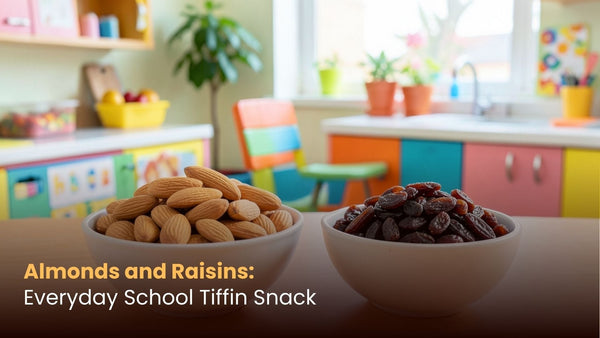
For added variety and flavour, this nut mix can be combined with small quantities of raisins or seeds such as sunflower or pumpkin seeds. The natural sweetness of raisins pairs well with the crunch of pistachios and almonds, while seeds add extra texture and minerals. Keeping the proportions balanced ensures the snack remains filling without becoming overly calorie-dense.
Another easy option is using chopped pistachios and almonds as toppings for plain yoghurt. This creates a more substantial snack that can be eaten during longer breaks and offers added protein and probiotics. For those who prefer preparing snacks in advance, pistachios and almonds can be added to homemade energy bites made with dates or oats. These can be prepared once a week, stored in the refrigerator, and used as quick grab-and-go snacks that support sustained energy throughout the workday.
Portion Control and Snacking Tips
Managing portion size is essential when including pistachios and almonds as work snacks, as both are nutrient-dense and calorie-rich. A small handful, roughly 20–30 grams in total, provides enough protein, healthy fats, and fiber to curb hunger and support steady energy without contributing to excess calorie intake. Measuring portions in advance or using small containers can help avoid mindless snacking during busy work hours.
Eating slowly also plays an important role. Taking time to chew properly allows the body to register fullness signals, making the snack more satisfying. Choosing plain, unsalted, or lightly roasted nuts helps preserve their natural nutritional value and avoids unnecessary sodium or added flavourings that can increase cravings. Scheduling snacks between meals, rather than eating continuously, supports better appetite control and reduces the likelihood of overeating during lunch or dinner, helping maintain balanced energy throughout the day.
Real Stories from Office Snackers
Many professionals who have shifted from traditional office snacks to nut-based options share noticeable improvements in their daily energy levels. Instead of relying on tea-time biscuits, fried snacks, or sugary treats, they find that pistachios and almonds provide steadier energy throughout the workday. This change often results in fewer mid-morning and afternoon slumps, allowing them to stay alert for longer periods without the need for repeated caffeine breaks.
Office workers also report better focus during long meetings and extended screen time. The combination of healthy fats, protein, and fibre helps prevent sudden hunger pangs that can be distracting during work hours. Employees who keep pistachios and almonds at their desks mention feeling more satisfied after snacking, which reduces constant grazing and mindless eating.
Over time, many note improved productivity and fewer cravings for processed foods. The simplicity and convenience of nut-based snacks make them easy to maintain as a daily habit, helping professionals build healthier routines that support concentration, sustained energy, and overall workplace well-being.
Potential Downsides and Smart Choices
While pistachios and almonds are nutritious, mindful consumption is essential to avoid potential downsides. Nuts are calorie-dense, and overeating—even healthy foods—can lead to excess calorie intake over time. This is particularly relevant in office settings where snacks are easily accessible. Sticking to measured portions helps ensure the benefits without unintended weight gain.
Salted or sugar-coated varieties should be avoided, as added sodium can contribute to bloating and increased blood pressure, while sugar coatings can cause energy spikes followed by fatigue. These additions reduce the natural nutritional advantages of nuts and make them closer to processed snacks than healthy options.
Nut allergies are another important consideration. Individuals with known allergies should avoid pistachios and almonds entirely, as reactions can be severe. For those without allergies, freshness and storage matter. Nuts that are poorly stored can become rancid due to oxidation of healthy fats, affecting both taste and health. Choosing fresh, properly packaged nuts and storing them in airtight containers away from heat helps preserve quality and safety.
Where to Buy Quality Pistachios and Almonds
Quality matters for taste and nutrition. Freshness, proper storage, and minimal processing ensure better shelf life and nutrient retention. Reliable sourcing reduces the chances of stale or oxidised nuts.
Conclusion
Pistachios and almonds are reliable, nutritious work snacks that support energy, focus, and satiety throughout busy days. When sourced carefully, they become a consistent part of healthier workplace routines. In this context, Krishival offers pistachios and almonds that align well with daily work snacking needs, making mindful eating both simple and dependable.
Frequently Asked Questions
1. Why are pistachios and almonds considered ideal snacks for workdays?
Pistachios and almonds are ideal work snacks because they provide sustained energy without causing sugar spikes. Their combination of protein, healthy fats, and fiber helps maintain focus, reduces frequent hunger, and supports productivity during long working hours. They are also portable, non-messy, and easy to store at desks.
2. How do pistachios and almonds help prevent mid-day fatigue at work?
Mid-day fatigue often occurs due to rapid blood sugar fluctuations from refined snacks. Pistachios and almonds slow digestion and release energy gradually, which helps prevent energy crashes. Magnesium and antioxidants further support muscle function and mental alertness during demanding work schedules.
3. What is the recommended portion size of pistachios and almonds during office hours?
A small handful, roughly 20–30 grams combined, is sufficient for one snack break. This portion provides adequate nutrients and satiety without adding excess calories. Eating slowly and mindfully helps maximise the benefits.
4. Are pistachios and almonds better than biscuits or fried snacks at work?
Yes, they are a significantly healthier alternative. Unlike biscuits or fried snacks, pistachios and almonds contain no refined flour or unhealthy fats. They support steady energy, reduce inflammation, and help avoid the post-snack sluggishness common with processed foods.
5. Can pistachios and almonds improve focus and concentration at work?
Yes, their nutrient profile supports brain function. Healthy fats aid nerve signalling, while magnesium helps manage stress and mental fatigue. Stable energy levels contribute to improved concentration during meetings, screen time, and decision-making tasks.
6. Are pistachios or almonds better for long work hours?
Both are beneficial, but in different ways. Pistachios offer slightly more fiber and potassium, which helps with satiety and muscle function. Almonds provide higher vitamin E and magnesium, supporting brain health and stress management. Combining both delivers balanced benefits.
7. Are pistachios and almonds suitable for people with sedentary desk jobs?
Yes, when consumed in controlled portions. Even for sedentary workers, these nuts help manage hunger and reduce cravings for sugary snacks. Portion control is essential to avoid excess calorie intake.
8. Should pistachios and almonds be eaten raw or roasted for work snacks?
Raw or lightly roasted versions are preferable. Heavy roasting, added salt, or flavour coatings can reduce nutritional value and increase sodium intake, which may cause bloating or fatigue during work hours.
9. Can pistachios and almonds be eaten during late work hours or night shifts?
Yes, they are suitable for late hours because they provide steady energy without causing sugar crashes. However, portions should be smaller during night shifts to avoid digestive discomfort.
10. How should pistachios and almonds be stored at the workplace?
They should be stored in airtight containers away from heat and direct sunlight. Proper storage maintains freshness, taste, and nutritional quality, making them a reliable go-to snack throughout the workweek.



Share Your Thoughts