

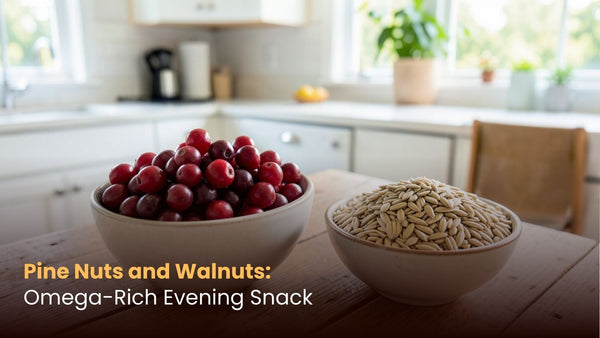
Evening snacking often becomes a choice between convenience and health. Processed foods may feel satisfying in the moment, but they rarely support long-term wellbeing. Pine nuts and walnuts offer a simple, nutrient-dense alternative that fits naturally into an evening routine. Rich in healthy fats, essential minerals, and plant-based proteins, these nuts help manage hunger while supporting heart and metabolic health. Their slow-digesting nature makes them especially suitable for late hours, when the body benefits from steady nourishment rather than quick energy spikes. Choosing the right nuts can transform evening snacking into a mindful and health-supportive habit.
Why Pine Nuts and Walnuts Make the Ideal Evening Snack
Evening snacks work best when they calm hunger without spiking blood sugar or disturbing sleep. Pine nuts and walnuts fit this role well because they combine healthy fats, moderate protein, and essential micronutrients in a small portion.
Unlike sugary or refined snacks, these nuts digest slowly. This steady digestion helps avoid late-night cravings, supports satiety, and prevents sudden energy crashes. Walnuts, in particular, are known for their omega-3 content, while pine nuts add a creamy texture and subtle sweetness that makes snacking satisfying without overindulgence.
Another reason these nuts work well in the evening is portion control. A small handful is enough to feel full, making them ideal for mindful snacking after work or post-dinner.
Nutritional Breakdown of Pine Nuts and Walnuts
Both pine nuts and walnuts are nutrient-dense, but their strengths differ slightly.
Pine Nuts (per ~28g)
- Calories: ~190 kcal
- Fats: ~19g (mostly monounsaturated fats)
- Protein: ~4g
- Key nutrients: Magnesium, zinc, iron, vitamin K
Pine nuts are energy-dense and rich in minerals that support muscle relaxation and metabolic function.
Walnuts (per ~28g)
- Calories: ~185 kcal
- Fats: ~18g (high in polyunsaturated fats)
- Protein: ~4g
- Key nutrients: Omega-3 fatty acids (ALA), copper, manganese, antioxidants
Walnuts stand out for their omega-3 profile and antioxidant compounds that support heart and brain health.
Omega-3 Benefits for Evening Consumption
Omega-3 fatty acids play an important role in reducing inflammation and supporting cardiovascular health. Consuming omega-3-rich foods like walnuts in the evening may also help with overnight recovery and metabolic balance.
Some studies suggest omega-3 intake supports:
- Better lipid profiles
- Reduced nighttime inflammation
- Improved hormonal balance related to stress and sleep cycles
Because walnuts contain plant-based omega-3 (ALA), they are especially useful for people following vegetarian or plant-forward diets.
Health Advantages Beyond Omegas
While omega-3 fatty acids are often highlighted as the primary benefit of walnuts and, to a lesser extent, pine nuts, their overall nutritional value extends far beyond this single nutrient. These nuts provide a balanced mix of fibre, healthy fats, minerals, and antioxidants that work together to support multiple body functions, especially when consumed in the evening.
The fiber content in pine nuts and walnuts plays an important role in digestive health. Fiber supports regular bowel movement and helps maintain gut comfort by slowing digestion. This slower digestive process increases satiety, meaning you feel fuller for longer, which is particularly helpful in the evening when unnecessary snacking often occurs. A steady digestive pace also reduces the chances of acid reflux or discomfort that can come from heavier late-night foods.
Healthy fats present in both nuts contribute to better blood sugar control. By slowing the absorption of carbohydrates, these fats help prevent sudden spikes and drops in blood glucose levels. This makes pine nuts and walnuts suitable for individuals looking to maintain stable energy levels through the night, including those managing insulin sensitivity or aiming for better metabolic balance.
Beyond metabolic benefits, these nuts support brain health through a combination of antioxidants and essential fatty acids. Walnuts, in particular, contain polyphenols that help protect brain cells from oxidative stress. Regular intake supports cognitive function, memory, and overall mental clarity, while also contributing to a calmer mental state toward the end of the day.
Pine nuts add another advantage through their magnesium content. Magnesium is essential for proper muscle and nerve function and plays a role in reducing muscle tension and supporting relaxation. Adequate magnesium intake in the evening can help ease physical fatigue and support a more restful transition into nighttime recovery.
Together, pine nuts and walnuts offer a well-rounded nutritional profile that supports digestion, stable blood sugar levels, cognitive health, and physical relaxation. This combination makes them especially suitable for evening consumption, when the body benefits from nourishment that promotes both physical recovery and mental calm without overloading the system.
Simple Recipes for Pine Nuts and Walnuts Evening Snacks
Lightly Toasted Nut Mix This is one of the easiest and most effective ways to enjoy pine nuts and walnuts in the evening. Add raw pine nuts and walnut halves to a dry pan and roast them on low heat, stirring continuously to prevent burning. Within two to three minutes, the nuts release a warm aroma and develop a slightly crisp texture. A small pinch of sea salt enhances the natural flavour, while cinnamon works well if you prefer a mildly sweet profile. This snack is best eaten warm and pairs well with herbal tea.
Walnut Yogurt Bowl This option works well when you want something light yet filling. Take plain yoghurt, preferably unsweetened, and add crushed walnuts for texture and healthy fats. A small drizzle of honey adds natural sweetness without overpowering the dish. This combination provides protein, probiotics, and essential fats, making it suitable for post-dinner hunger while remaining easy on digestion.
Pine Nut and Herb Sprinkle Pine nuts blend exceptionally well with dried herbs such as oregano, thyme, or rosemary. Lightly toast the pine nuts, allow them to cool, and then mix them with the herbs. This sprinkle can be added over roasted vegetables, soups, or even warm salads. It enhances flavour while adding healthy fats and minerals without turning the dish heavy.
Nut Butter Spread Walnuts can be blended into a smooth, creamy spread using a small amount of olive oil. The result is a mildly nutty butter that works well on whole-grain crackers or toast. This option is ideal for evenings when you want a satisfying snack that keeps you full for longer, without relying on processed spreads or added sugars.
How to Source and Store These Nuts Fresh
Freshness matters a lot with nuts because their oils can turn rancid.
Buying tips
- Choose nuts with a mild, natural aroma
- Avoid yellowed or shrivelled kernels
- Prefer vacuum-sealed or airtight packaging
Storage tips
- Store in airtight containers
- Keep in a cool, dark place
- Refrigerate for long-term storage (especially walnuts)
Proper storage preserves taste, nutrition, and shelf life.
Potential Downsides and Precautions
Potential downsides and precautions are important to understand, even when a food is widely regarded as healthy. Nuts are naturally calorie-dense because of their high fat content. While these fats are beneficial, consuming large quantities can easily push daily calorie intake beyond requirement, especially during the evening when energy expenditure is lower. Mindless snacking or eating directly from large packs often leads to overconsumption without realising it.
Nut allergies are another key consideration. For individuals with known tree nut allergies, even small amounts can trigger adverse reactions ranging from mild discomfort to severe allergic responses. In such cases, nuts should be completely avoided, and alternatives should be chosen carefully.
Some people may also experience digestive discomfort, such as bloating, heaviness, or mild stomach upset when consuming large portions of nuts. This is usually due to their fat and fibre content, which can be difficult to digest in excess. Eating slowly, chewing well, and sticking to moderate quantities helps reduce this issue.
For most individuals, a safe and balanced evening portion is a small handful, roughly 20–30 grams. This amount provides nutritional benefits without placing unnecessary strain on digestion or calorie balance.
Real-Life Case Studies on Nut Snacking Habits
Case 1: Working professional (age 35) A 35-year-old working professional with a desk-based job and long commute hours had a habit of consuming tea and biscuits in the evening to cope with post-work fatigue. Although this provided temporary satisfaction, it often led to renewed hunger within an hour, followed by late-night snacking. After replacing biscuits with a small portion of walnuts in the evening, the individual noticed improved satiety and more stable energy levels. Within two weeks, late-night cravings reduced significantly, and the overall calorie intake from processed snacks declined without conscious effort.
Case 2: Fitness-focused individual (age 28) A 28-year-old fitness enthusiast who trained in the evenings struggled with post-workout hunger that disrupted dinner timing. By adding a controlled portion of pine nuts after workouts, the individual experienced better hunger control and sustained energy until the main meal. The healthy fats and minerals in pine nuts supported recovery while preventing overeating later at night, leading to improved consistency in diet and training routines.
Case 3: Senior adult (age 60) A 60-year-old individual included walnuts as a daily evening snack to support heart health. With consistent portion control, digestion improved over time, and feelings of heaviness after dinner reduced. Regular intake also helped replace fried snacks, contributing to better digestive comfort and overall dietary balance.
Comparison Table: Pine Nuts vs. Walnuts
Conclusion
Pine nuts and walnuts offer a rare balance of taste, nutrition, and versatility, making them excellent choices for evening snacking. Whether your goal is heart health, better digestion, or simply avoiding unhealthy late-night snacks, these nuts fit naturally into a balanced routine.
Choosing high-quality, fresh nuts makes a noticeable difference in both flavor and benefits. Brands like Krishival focus on careful sourcing and freshness, which helps ensure that what you snack on delivers both nutrition and taste without compromise.
FAQs
1. Are pine nuts and walnuts good options for evening snacking?
Yes. Pine nuts and walnuts are excellent evening snacks because they contain healthy fats, moderate protein, and minimal carbohydrates. This combination helps control hunger without causing sudden blood sugar spikes. Unlike processed snacks, they digest slowly and keep you full for longer, reducing the urge for late-night overeating.
2. Can eating walnuts at night improve heart health?
Walnuts are rich in plant-based omega-3 fatty acids (ALA), which support heart health by helping reduce inflammation and maintain healthy cholesterol levels. Consuming walnuts regularly, even in the evening, contributes to long-term cardiovascular benefits when eaten within recommended portions.
3. Do pine nuts help with relaxation or sleep quality?
Pine nuts contain magnesium and zinc, minerals known to support muscle relaxation and nervous system function. While they are not sleep aids, consuming pine nuts as part of a balanced evening snack may help the body wind down by preventing hunger-related restlessness at night.
4. How much pine nuts or walnuts should be eaten in the evening?
A healthy evening portion is typically 20–30 grams, roughly a small handful. This amount provides sufficient nutrients and satiety without adding excessive calories. Overconsumption can lead to unnecessary calorie intake, so portion control is important.
5. Are pine nuts and walnuts suitable for people trying to lose weight?
Yes, when eaten in controlled portions. The fats and fiber in these nuts help keep you full and reduce cravings for sugary or fried snacks. Replacing unhealthy evening snacks with pine nuts or walnuts can support better dietary habits during weight management.
6. Can people with diabetes include these nuts in their evening diet?
Yes. Pine nuts and walnuts have a low glycaemic impact and help slow glucose absorption due to their healthy fat content. When eaten in moderation, they can be a safe and beneficial snack option for people managing blood sugar levels.
7. Is it better to eat these nuts raw or roasted?
Raw nuts retain maximum nutrients, but lightly dry-roasted nuts are also fine. Avoid deep roasting or roasting with excess oil and salt, as this can reduce nutritional value and make them less suitable for regular consumption.
8. How should pine nuts and walnuts be stored to maintain freshness?
Both nuts should be stored in airtight containers away from heat and light. Walnuts, in particular, are prone to oxidation and should ideally be refrigerated. Proper storage prevents rancidity and preserves both taste and nutritional quality.
9. Can pine nuts and walnuts cause digestive discomfort?
In some individuals, eating large quantities may cause bloating or heaviness due to their high fat content. Starting with small portions and chewing thoroughly helps digestion. People with nut allergies should avoid them entirely.
10. Does the quality of nuts matter for health benefits?
Yes, quality plays a significant role. Fresh, well-sourced nuts retain better flavor and nutritional value. Choosing premium-grade nuts from reliable brands such as Krishival ensures better freshness, cleaner sourcing, and consistent quality, which directly impacts both taste and health benefits.



Share Your Thoughts