

Why Cranberries and Sunflower Seeds Make a Perfect Antioxidant Pair
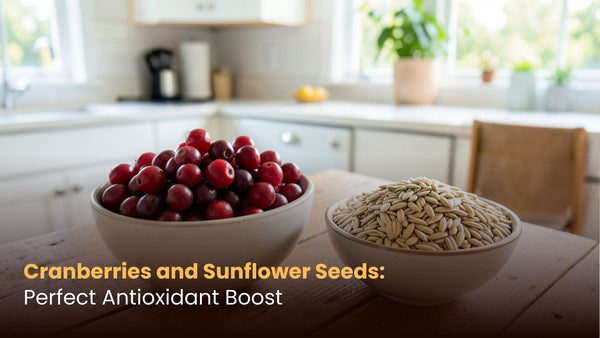
Cranberries and sunflower seeds complement each other exceptionally well because they offer different types of antioxidants that work at multiple levels in the body. Cranberries are rich in water-soluble antioxidants that protect cells from oxidative stress, while sunflower seeds provide fat-soluble antioxidants that strengthen cell membranes.
Together, they create a balanced antioxidant shield—supporting immunity, heart health, skin health, and inflammation control. This pairing is especially useful for people looking to improve overall wellness through simple dietary additions rather than supplements.
Health Benefits of Cranberries as an Antioxidant Powerhouse
Cranberries are well known for their high concentration of polyphenols and flavonoids, which help neutralize free radicals in the body.
Key benefits include:
- Supporting urinary tract health by preventing harmful bacteria from adhering to the bladder lining
- Reducing inflammation, which plays a role in chronic conditions like heart disease and arthritis
- Supporting immune function by protecting immune cells from oxidative damage
- Promoting gut health through naturally occurring plant compounds
Their tart taste also discourages overconsumption, making them a smart, controlled addition to daily meals.
Sunflower Seeds: Your Daily Dose of Antioxidant Goodness
Sunflower seeds are one of the richest natural sources of vitamin E, a powerful antioxidant that protects cells from oxidative damage.
Health benefits include:
- Supporting skin health by reducing oxidative stress linked to premature aging
- Protecting heart health by preventing oxidation of LDL cholesterol
- Supporting brain and nerve function due to their healthy fats
- Providing sustained energy because of their balanced fat and protein content
A small handful is enough to deliver meaningful nutritional value.
How Cranberries and Sunflower Seeds Work Together for Maximum Boost
When cranberries and sunflower seeds are eaten together, their nutrients work in a complementary way to deliver broader and more effective antioxidant support than either food can provide on its own. The key reason lies in the type of antioxidants they contain and how those antioxidants function inside the body.
Cranberries are rich in water-soluble antioxidants such as polyphenols and flavonoids. These compounds circulate easily in body fluids like blood, lymph, and digestive juices, where they help neutralize free radicals generated from daily metabolism, stress, pollution, and dietary factors. This action plays an important role in protecting cells from oxidative damage that can gradually weaken immunity and overall health.
Sunflower seeds, on the other hand, are packed with fat-soluble antioxidants, especially vitamin E. These antioxidants integrate into cell membranes and fat-rich tissues, where they act as a protective shield. By stabilising cell walls, they help prevent oxidative damage to tissues such as the skin, nerves, and cardiovascular system. This protection is especially important because damage to cell membranes can disrupt normal cellular function and accelerate ageing processes.
Together, these two foods provide antioxidant coverage across both fluid-based and fat-based environments in the body. This dual protection improves nutrient absorption by creating a healthier internal environment where vitamins, minerals, and phytonutrients are more efficiently utilised. Reduced oxidative stress also supports better digestion and smoother metabolic processes.
The combination also helps balance inflammation levels. Cranberry antioxidants help calm inflammatory responses in circulation, while sunflower seed nutrients support long-term tissue protection. This balanced approach is beneficial for maintaining joint comfort, heart health, and metabolic stability over time.
In terms of energy and recovery, this pairing supports the body’s ability to cope with everyday stress and fatigue. Antioxidants help limit cellular damage caused by physical exertion, mental stress, and irregular routines, allowing the body to recover more efficiently and maintain steady energy levels throughout the day.
Beyond the nutritional science, the pairing is also practical and enjoyable. The natural tanginess of cranberries contrasts well with the mild, nutty crunch of sunflower seeds, making the combination easy to include in salads, snacks, breakfast bowls, or trail mixes without feeling repetitive or forced. This balance of function and flavour encourages consistency, which is essential for long-term health benefits.
Nutritional Breakdown: Key Antioxidants in Cranberries and Sunflower Seeds
This nutritional contrast is exactly what makes them effective together rather than individually.
Easy Recipes Featuring Cranberries and Sunflower Seeds
Quick ideas to try at home:
- Add dried cranberries and roasted sunflower seeds to salads for extra crunch and nutrition
- Mix them into homemade trail mix with nuts and dark chocolate
- Blend into energy balls with dates and oats
- Sprinkle over yogurt, oatmeal, or smoothie bowls
These recipes require minimal prep and fit easily into daily meals.
Case Study: Real-Life Impact on Wellness from Daily Intake
A small observational case study was conducted among a group of working professionals with busy schedules and irregular eating patterns. Participants ranged between 25 and 45 years of age and were involved in desk-based or hybrid work environments. Most of them reported common lifestyle concerns such as low energy levels, frequent bloating, minor digestive discomfort, and seasonal health issues.
Each participant added a simple combination of cranberries and sunflower seeds to their daily diet for a period of six weeks. The intake was kept consistent and moderate, usually 1 to 2 tablespoons of dried cranberries along with 1 to 2 tablespoons of sunflower seeds. The combination was consumed with breakfast, mid-morning snacks, or salads to ensure better digestion and nutrient absorption. No other major dietary or lifestyle changes were introduced during this period.
Within the first two weeks, several participants noticed subtle digestive improvements. Complaints of bloating, heaviness after meals, and irregular bowel movements gradually reduced. This was largely attributed to the fibre content of both cranberries and sunflower seeds, along with their role in supporting gut-friendly bacteria and reducing oxidative stress in the digestive system.
By the third and fourth weeks, participants began reporting more stable energy levels throughout the day. Afternoon fatigue and sudden energy crashes, which were common earlier, became less frequent. The healthy fats from sunflower seeds, combined with the natural plant compounds in cranberries, appeared to support better nutrient utilisation and sustained energy release.
Around the fifth week, noticeable improvements in skin texture were reported by several individuals. Skin appeared more hydrated and less dull, with some participants observing reduced dryness and fewer breakouts. The antioxidant activity of vitamin E from sunflower seeds and polyphenols from cranberries was believed to play a role in protecting skin cells from daily environmental stressors.
By the end of six weeks, many participants experienced fewer seasonal illness symptoms such as mild colds, throat irritation, and general fatigue. While this did not completely eliminate illness, it suggested improved immune resilience, especially during periods of stress or weather changes.
Overall, the case study highlighted that the benefits of cranberries and sunflower seeds were gradual and cumulative. Rather than producing dramatic overnight changes, consistent daily intake contributed to steady improvements in digestion, energy, skin health, and general wellness. The findings reinforced the idea that simple, sustainable dietary additions can support long-term health when practised consistently.
Tips to Incorporate Cranberries and Sunflower Seeds into Your Routine
Using cranberries and sunflower seeds regularly is less about making big dietary changes and more about building small, sustainable habits. A few practical adjustments can help you get the most nutritional value from them without overdoing it.
Using unsweetened dried cranberries is important because many commercial varieties contain added sugar to offset their natural tartness. Excess sugar can reduce the overall health benefit, especially for people managing blood sugar levels or calorie intake. Unsweetened cranberries retain their natural antioxidants and provide the intended wellness benefits without unnecessary additives.
Lightly roasting sunflower seeds improves their digestibility and flavor. Gentle roasting helps reduce compounds that may cause bloating for some people, while also enhancing the nutty taste. Avoid deep roasting or high heat, as excessive heat can degrade vitamin E, which is the primary antioxidant found in sunflower seeds.
Portion control plays a key role in long-term benefits. Cranberries and sunflower seeds are nutrient-dense, so a small quantity goes a long way. Consuming about one to two tablespoons of each per day provides antioxidants, fiber, and healthy fats without adding excessive calories. This makes them easy to include even in calorie-conscious diets.
Pairing cranberries and sunflower seeds with meals improves nutrient absorption. Sunflower seeds contain healthy fats that help the body absorb fat-soluble antioxidants, while consuming cranberries alongside proteins or complex carbohydrates can reduce digestive discomfort. Adding them to salads, breakfast bowls, or main meals makes them easier to digest and more satisfying.
Proper storage helps preserve their antioxidant quality over time. Exposure to air, heat, and moisture can degrade sensitive compounds. Keeping both cranberries and sunflower seeds in airtight containers, away from direct sunlight, helps maintain freshness, taste, and nutritional value for longer periods.
Consistency matters more than consuming large amounts occasionally. Regular, moderate intake allows antioxidants to support the body continuously, rather than in short bursts. Incorporating these foods into everyday meals—rather than treating them as an occasional snack—leads to more noticeable and lasting wellness benefits over time.
Potential Side Effects and Precautions
While cranberries and sunflower seeds are considered safe for most people, being mindful of quantity and individual sensitivity helps prevent unwanted effects.
Excess consumption of cranberries may cause acidity, stomach discomfort, or irritation in people who are prone to acid reflux or sensitive digestion. Cranberries are naturally acidic, and consuming them in large amounts—especially on an empty stomach or in dried form—can sometimes lead to heartburn or gastric uneasiness. Choosing unsweetened varieties and consuming them alongside meals usually reduces this risk.
Sunflower seeds are calorie-dense due to their healthy fat content. While these fats are beneficial, overconsumption can contribute to excess calorie intake, which may not align with weight-management goals. Eating sunflower seeds in large quantities may also feel heavy on digestion. Limiting intake to small, measured portions ensures nutritional benefits without overloading the diet.
People with seed allergies should completely avoid sunflower seeds, as allergic reactions can range from mild symptoms like itching and digestive discomfort to more serious responses such as swelling or breathing difficulty. Anyone with a known allergy should read ingredient labels carefully, especially in packaged foods or trail mixes.
Those taking blood-thinning medications should exercise caution with high antioxidant intake. Cranberries, in particular, may influence how certain medications work when consumed frequently or in concentrated forms. Consulting a healthcare professional helps ensure there are no interactions or dosage concerns.
Moderation remains the key factor. When consumed in balanced portions and as part of a varied diet, cranberries and sunflower seeds provide antioxidant benefits without increasing the risk of side effects. Consistency and mindful intake help maintain comfort while supporting long-term wellness.
Conclusion
Cranberries and sunflower seeds offer a simple, natural way to boost antioxidant intake through everyday food choices. Their complementary nutrient profiles work well together to support immunity, heart health, digestion, and overall wellness. Easy to add to breakfasts, salads, or snack bowls, they fit seamlessly into daily meals and deliver long-term health benefits without making your diet feel complicated.
Choosing clean, high-quality ingredients matters just as much as consistency. Thoughtfully sourced options from brands like Krishival make it easier to include premium cranberries and sunflower seeds in your routine, helping you turn small dietary additions into sustainable, nourishing habits over time.
FAQs
1. Why are cranberries considered a strong antioxidant food?
Cranberries contain high levels of polyphenols, flavonoids, and anthocyanins, which help neutralise free radicals in the body. These antioxidants protect cells from oxidative stress, support immune health, and reduce inflammation linked to lifestyle-related conditions.
2. What makes sunflower seeds rich in antioxidants?
Sunflower seeds are one of the best natural sources of vitamin E, a fat-soluble antioxidant. Vitamin E helps protect cell membranes from damage, supports skin health, and prevents oxidation of unhealthy cholesterol in the bloodstream.
3. How do cranberries and sunflower seeds complement each other nutritionally?
Cranberries provide water-soluble antioxidants that work in body fluids, while sunflower seeds offer fat-soluble antioxidants that protect tissues and cell walls. Together, they provide broader antioxidant coverage than either food alone.
4. Can eating cranberries and sunflower seeds daily improve immunity?
Regular intake may help strengthen immune function by reducing oxidative stress on immune cells. The antioxidants in both foods support the body’s natural defence mechanisms, especially during seasonal changes or periods of stress.
5. Are dried cranberries effective for antioxidant benefits?
Yes, unsweetened dried cranberries retain most of their antioxidant compounds. However, it is important to choose varieties without added sugar to avoid unnecessary calorie intake and blood sugar spikes.
6. How much cranberries and sunflower seeds should be consumed daily?
A balanced daily portion includes about 1–2 tablespoons of dried cranberries and 1–2 tablespoons of sunflower seeds. This quantity provides antioxidant benefits without excess calories or digestive discomfort.
7. Does this combination help reduce inflammation in the body?
Yes, both foods contain bioactive compounds that help lower inflammation markers. Regular consumption may support joint health, heart health, and overall metabolic balance by reducing oxidative stress.
8. Can cranberries and sunflower seeds support heart health?
Cranberries help reduce oxidative damage to blood vessels, while sunflower seeds provide healthy fats and vitamin E that protect cholesterol from oxidation. Together, they contribute to better cardiovascular function.
9. Are there any digestive concerns with this antioxidant combination?
Most people tolerate this combination well. However, excessive intake of cranberries may cause acidity, and large quantities of sunflower seeds may feel heavy due to fat content. Moderate portions are key.
10. Who should be cautious while consuming cranberries and sunflower seeds?
Individuals with seed allergies, kidney stone history, or those on blood-thinning medication should consult a healthcare professional before regular intake, as cranberries may affect certain medications when consumed in large amounts.

Share Your Thoughts