

This almond biscotti recipe delivers a perfect, crunchy Italian cookie that is surprisingly easy to make. People love this guide because it covers everything, from classic baking methods to helpful troubleshooting and creative variations. It promises a flawless biscotti experience every single time.
What Makes This the Best Almond Biscotti?
The best biscotti recipe guarantees success, and this one is tested and perfected for that reason. It stands out because it focuses on what truly matters in a classic biscotti. People appreciate this recipe for a few key reasons.
- Extra Crunchy Texture: This recipe achieves that signature snap that makes biscotti so satisfying.
- Foolproof Method: The steps are simple and clear, making it a truly easy biscotti for anyone to bake.
- Intense Almond Flavor: It uses both whole almonds and almond extract for a deep, authentic taste.
- Troubleshooting Included: The guide helps you fix common problems so your biscotti turn out perfectly.
The Science of Perfect Biscotti: Why Twice-Baked?
Understanding why biscotti is twice baked is the key to mastering its texture. The almond biscotti recipe relies on this specific two-step process. The first bake is done at a higher temperature. This initial step cooks the log of dough completely and sets its rectangular shape. Think of it as making a small loaf of almond bread.
The second bake is how to make biscotti crunchy. After slicing the cooked log into individual cookies, they go back into the oven at a lower temperature. This second bake slowly draws out all the remaining moisture from the cookies. Less moisture results in a harder, drier, and fantastically crunchy texture. This process also gives biscotti its famously long shelf life, as there's very little water left to cause spoilage. Traditional recipes often avoid butter because it adds moisture and fat, which creates a softer, more cake-like cookie. This recipe honors that tradition for the ultimate crunch.
Ingredients & Equipment Checklist
This biscotti recipe uses simple pantry staples. Gathering your ingredients and tools first makes the whole process smooth and enjoyable.
Key Ingredients
- All-Purpose Flour: This biscotti ingredient provides the perfect structure without needing any fancy flours.
- Granulated Sugar: It adds the right amount of sweetness.
- Large Eggs: They bind the dough together.
- Whole, Unsalted Almonds: Lightly toasting them first brings out their nutty flavor.
- Almond Extract: This is the secret to a powerful almond aroma and taste.
- Vanilla Extract: It adds a layer of warmth and complexity.
- Baking Powder: This gives the biscotti a slight lift during the first bake.
- Salt: A small pinch balances all the flavors.
Essential Equipment
- Baking Sheets: You will need one large, sturdy baking sheet.
- Parchment Paper: This is one of the most important tools for making biscotti, as it prevents the log from sticking.
- Mixing Bowls: A large one for dry ingredients and a smaller one for wet ingredients will be needed.
- Whisk: Use this for combining your dry and wet ingredients separately.
- Serrated Knife: This is crucial for cutting clean slices without crumbling the log.
How to Make Almond Biscotti (Step-by-Step Photos)
This almond biscotti recipe is broken down into easy-to-follow steps. Each part of the process includes a picture to guide you.
Step 1 - Preheat and Prep
First, preheat your oven to 350°F (175°C). Then, line a large baking sheet with parchment paper to prevent any sticking.
[Image: A baking sheet being lined with parchment paper.]
Step 2 - Mix Dry Ingredients
Next, whisk the all-purpose flour, granulated sugar, baking powder, and salt together in a large mixing bowl. This step ensures the leavening agent is evenly distributed.
[Image: Dry ingredients being whisked in a glass bowl.]
Step 3 - Whisk Wet Ingredients
In a separate, smaller bowl, whisk the eggs with the almond and vanilla extracts. Continue whisking until the mixture is slightly frothy and combined.
[Image: Eggs and extracts being whisked in a small bowl.]
Step 4 - Combine Wet and Dry
Pour the wet egg mixture into the large bowl with the dry ingredients. Use a spatula to mix until a shaggy, sticky dough begins to form.
[Image: Wet and dry ingredients being combined with a spatula.]
Step 5 - Fold in Almonds
Now, add the whole toasted almonds to the bowl. Fold them into the dough until they are just evenly incorporated.
[Image: Whole almonds being folded into the biscotti dough.]
Step 6 - Shape the Dough into a Log
Lightly flour your hands and a clean work surface. Transfer the sticky dough to the surface and shape it into a long, flat log about 10 inches long and 4 inches wide. Place the log on the prepared baking sheet.
Baker's Note: The dough will be sticky! Do not be tempted to add too much extra flour; this is normal. Lightly flour your hands and surface to make it manageable.
[Image: Sticky biscotti dough being shaped into a flat log on a floured surface.]
Step 7 - First Bake
Bake the log for 25 to 30 minutes at 350°F (175°C). The log is ready when it feels firm to the touch and is lightly golden on top.
[Image: The baked biscotti log, golden brown, on the baking sheet.]
Step 8 - Cool and Slice the Log
Remove the baking sheet from the oven and let the log cool on the sheet for at least 15 minutes. This cooling period is vital. Once cooled slightly, transfer the log to a cutting board and use a serrated knife to cut it on a diagonal into ½ to ¾-inch thick slices.
[Image: The cooled log being sliced into individual biscotti with a serrated knife.]
Step 9 - Second Bake for Crunch
Arrange the slices cut-side down on the parchment-lined baking sheet. Reduce the oven temperature to 300°F (150°C) and bake for another 15 minutes. Flip the biscotti over and bake for 15 more minutes.
[Image: Sliced biscotti arranged on a baking sheet for the second bake.]
Step 10 - Final Cooling
The biscotti will feel slightly soft when they first come out of the oven. Let them cool completely on the baking sheet or a wire rack. They will harden and get incredibly crunchy as they cool.
[Image: Finished, golden almond biscotti cooling on a wire rack.]
Troubleshooting Common Biscotti Problems
Biscotti troubleshooting helps fix issues that can sometimes pop up. Even the best bakers run into problems, but these simple solutions will get you back on track.
|
Problem |
Solution / Reason |
|
My biscotti is soft, not crunchy. |
This issue almost always means the second bake was too short. The point of the second bake is to dry the cookie completely. Add another 5-10 minutes to the baking time. Also, check that your slices are not too thick, as thicker cookies need more time to dry out. |
|
My biscotti log crumbled when slicing. |
This happens when the log is too hot. You must let it cool for at least 15 minutes after the first bake before slicing. Slicing a hot log will cause it to fall apart. Using a very sharp, serrated knife in a gentle sawing motion also prevents crumbling. |
|
My dough was incredibly sticky. |
This is perfectly normal for a classic biscotti recipe! Sticky dough is a sign you're doing it right. Do not add a lot of extra flour to the dough itself, as this will make the final product dry and dense. Instead, just lightly flour your hands and your work surface when you shape the log. |
Pro Tips for the Perfect Crunch
These perfect biscotti tips will elevate your baking. Following these little secrets ensures an authentic, super-crunchy result.
- Toast Your Almonds: Toasting the almonds for 5-7 minutes before adding them to the dough intensifies their nutty flavor.
- Don't Overmix the Dough: Mix only until the flour disappears. Overmixing develops gluten and can make the biscotti tough.
- Let the Log Cool: Never skip the 15-minute cooling time after the first bake. This is one of the most important crunchy biscotti secrets for clean slices.
- Slice on a Diagonal: Cutting the log at a 45-degree angle gives you the classic, elegant biscotti shape and more surface area for crunch.
- Low and Slow Second Bake: The second bake is all about drying, not browning. A lower temperature for a longer time is the key to maximum crunchiness.
The secret to perfectly uniform biscotti is to slice them on a diagonal using a sharp serrated knife.
Flavor Variations & Add-ins
This almond biscotti recipe is a wonderful base for creativity. You can easily introduce new flavors with a few simple additions. These almond biscotti variations let you customize each batch.
- Chocolate Almond Biscotti: For a decadent twist, fold in 1 cup of semi-sweet chocolate chips along with the almonds. You can also dip the cooled biscotti in melted dark chocolate.
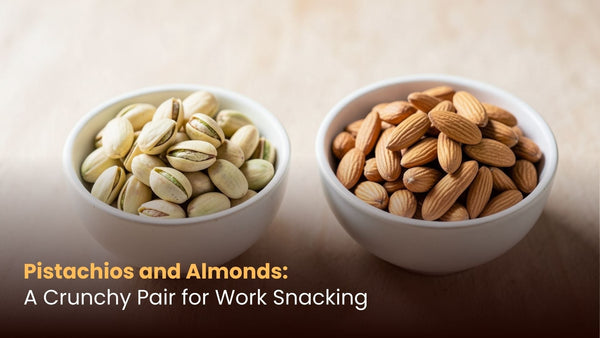
- Cranberry Pistachio: Swap the almonds for pistachios and add ¾ cup of dried cranberries for a festive, colorful cookie.
- Citrus Zest: Add the zest of one orange or one lemon to the wet ingredients for a bright, fresh flavor that pairs beautifully with almond.
- Anise and Almond: For a truly traditional Italian flavor, add 1-2 teaspoons of anise seeds to the dry ingredients.
- Coffee Pairing: The classic way to enjoy biscotti is by dipping it into a coffee or a classic dessert wine like Vin Santo.
Storage & Serving Suggestions
Knowing how to properly store and serve your homemade biscotti ensures they stay delicious for as long as possible.
How to Store Almond Biscotti
To keep your almond biscotti crunchy, you must store them correctly. Let the biscotti cool completely to room temperature. Then, place them in an airtight container. They can be stored on the counter for up to three weeks. The key is to keep them away from moisture and air.
What to Serve with Biscotti
The best part about biscotti is deciding what to eat with them. They are traditionally served for dipping. A cup of freshly brewed coffee, like an espresso or a cappuccino, is a perfect match. They also pair wonderfully with tea or a glass of dessert wine. You can also arrange them on a platter with other cookies for a beautiful dessert presentation.
[Insert Recipe Card Plugin Here]
Almond Biscotti Recipe
Frequently Asked Questions (FAQ)
Q1. Can I make this recipe gluten-free?
Yes, you can substitute the all-purpose flour with a high-quality gluten-free 1-to-1 baking flour blend that contains xanthan gum.
Q2. How do I make vegan almond biscotti?
To make it vegan, you would need to use a vegan egg replacer (like a flax egg) and ensure your sugar is vegan. The results may vary in texture.
Q3. Why don't you use butter or oil in this recipe?
This recipe avoids butter and oil to achieve the crunchiest, most authentic texture. Fats add moisture and create a softer, more cake-like crumb, which is not ideal for traditional biscotti.
Q4. Can I use a different type of nut?
Absolutely! Hazelnuts, pistachios, or even pecans work wonderfully. Just be sure to use whole, unsalted nuts.
Q5. What's the best way to toast almonds?
Spread them on a baking sheet and bake at 350°F (175°C) for 5-7 minutes, or until they become fragrant.
Q6. How thick should I slice the biscotti?
Aim for slices that are between ½-inch and ¾-inch thick. Thinner slices will be crunchier, while thicker ones will be slightly softer in the center.
Q7. Can I freeze biscotti dough?
Yes. You can shape the dough into a log, wrap it tightly in plastic wrap and then foil, and freeze it for up to 3 months. Thaw it in the refrigerator before baking.
Q8. Can I freeze baked biscotti?
Yes, baked and cooled biscotti freeze very well. Store them in an airtight container or freezer bag for up to 3 months. Thaw them at room temperature.
Q9. Why did my biscotti spread too much?
This can happen if the dough is too wet or if too much leavening was used. Be sure to measure your flour correctly. A slightly sticky dough is normal, but it shouldn't be runny.
Q10. What is the difference between biscotti and mandelbrot?
They are very similar. The main difference is that mandelbrot is a Jewish cookie that is traditionally made with oil or butter, giving it a slightly less crunchy texture than Italian biscotti.
Q11. Should I use blanched or whole almonds?
This recipe uses whole, skin-on almonds for a more rustic look and robust flavor, but blanched almonds work just as well if you prefer.
Q12. Can I make the biscotti less sweet?
You can slightly reduce the sugar amount, but don't reduce it too much. Sugar does more than add sweetness; it also contributes to the structure and crispiness of the final cookie.
Conclusion
This almond biscotti recipe gives you everything you need to create wonderfully crunchy and flavorful Italian cookies at home. The process is straightforward and rewarding. It strips away the complexity and focuses on the simple techniques that make biscotti a timeless classic.
So, go ahead and try it. You will find that baking these delightful cookies is a simple pleasure. We hope you enjoy every crunchy bite and share them with people you love. Please leave a comment or a rating below to let everyone know how it turned out

Share Your Thoughts