

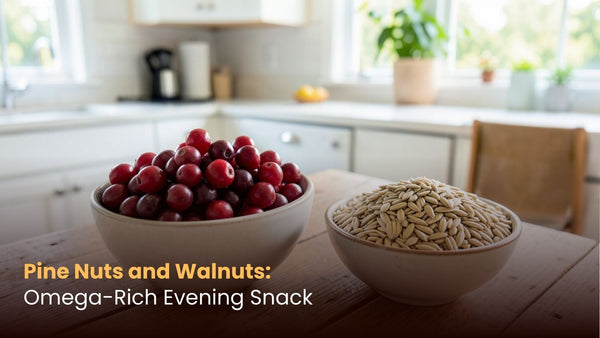
Walnuts and pine nuts are often celebrated individually for their nutritional value, but together they form a powerful plant-based source of omega-3 fats. Omega-3 fatty acids are essential for heart health, brain function, and inflammation control, yet many diets fall short of adequate intake. Walnuts provide one of the richest sources of plant-based omega-3s, while pine nuts contribute healthy fats, minerals, and antioxidants that support absorption and balance. This natural pairing offers a simple, vegetarian-friendly way to support cardiovascular wellness, cognitive health, and overall vitalit
Table of Contents
- Introduction
- Walnuts and Pine Nuts: The Omega-3 Power Duo
- What Makes Omega-3 Fatty Acids Essential
- Nutritional Profile of Walnuts
- Nutritional Profile of Pine Nuts
- Why Walnuts and Pine Nuts Form a Power Duo
- Health Benefits for Heart and Brain
- Walnuts and Pine Nuts in Everyday Recipes
- How to Store and Select Fresh Nuts
- Potential Risks and Serving Sizes
- Case Studies on Omega-3 Intake
- Conclusion
- FAQs
Walnuts and Pine Nuts: The Omega-3 Power Duo
Omega-3 fatty acids play a vital role in heart and brain health, and plant-based sources are increasingly important for modern diets. Walnuts and pine nuts stand out as a powerful combination that delivers omega-3 fats along with antioxidants, minerals, and healthy oils. While pista and watermelon seeds are also known for their nutritional value, walnuts and pine nuts offer a more targeted omega-3 profile that supports inflammation control, cardiovascular wellness, and cognitive function. Together, this nut pairing offers a balanced, vegetarian-friendly way to strengthen daily nutrition through simple food choices.
What Makes Omega-3 Fatty Acids Essential
Omega-3 fatty acids are essential fats, meaning the body cannot produce them on its own. They are required for maintaining healthy cell membranes, regulating inflammation, and supporting brain signaling. Omega-3s also play a key role in reducing triglycerides, supporting heart rhythm, and improving blood vessel flexibility. Diets low in omega-3s are often linked to increased inflammation, heart disease, and cognitive decline. Including omega-3-rich foods regularly helps maintain long-term health and supports overall metabolic balance.
Nutritional Profile of Walnuts
Walnuts are one of the richest plant-based sources of omega-3 fatty acids, particularly alpha-linolenic acid (ALA). They also contain polyphenols, vitamin E, magnesium, copper, and dietary fiber. The fat profile of walnuts is dominated by polyunsaturated fats, which are beneficial for cholesterol balance. Walnuts additionally support gut health through antioxidant compounds that reduce oxidative stress and inflammation.
Nutritional Profile of Pine Nuts
Pine nuts contain healthy monounsaturated fats, smaller amounts of omega-3s, protein, iron, magnesium, zinc, and vitamin E. They are also known for pinolenic acid, a fatty acid that may support appetite control and satiety. Pine nuts provide quick energy and support mineral absorption, making them a useful complement to omega-3-rich foods like walnuts.
Why Walnuts and Pine Nuts Form a Power Duo
Walnuts deliver a strong omega-3 foundation, while pine nuts contribute supportive fats, minerals, and antioxidants. Together, they balance polyunsaturated and monounsaturated fats, improve nutrient absorption, and provide sustained energy. This pairing supports heart health, brain function, and metabolic balance more effectively than either nut alone.
Health Benefits for Heart and Brain
The omega-3s in walnuts help reduce inflammation, lower LDL cholesterol, and improve arterial function. Pine nuts support blood vessel health through magnesium and antioxidants. For brain health, omega-3s support neuron structure and communication, while antioxidants protect brain cells from oxidative damage. Regular consumption is linked to better memory, focus, and reduced risk of cognitive decline.
Walnuts and Pine Nuts in Everyday Recipes
Walnuts and pine nuts fit effortlessly into everyday cooking and do not require any special preparation. One of the simplest ways to use this combination is by adding them to salads, where their crunch and mild nutty flavor enhance both taste and nutrition. They pair especially well with leafy greens, roasted vegetables, and light dressings. In grain bowls made with quinoa, brown rice, or millets, walnuts and pine nuts add healthy fats and texture, making meals more satisfying and filling.
This duo also works well in spreads and sauces. Blending walnuts and pine nuts into pesto, chutneys, or nut-based sauces creates a creamy texture while boosting omega-3 intake. For breakfast, they can be stirred into oatmeal, porridge, or yogurt to provide sustained energy and support brain and heart health throughout the day. Chopped walnuts and pine nuts are also ideal for homemade trail mixes combined with seeds and dried fruits, offering a convenient snack option.
Finely chopping or lightly crushing the nuts makes them easy to sprinkle over sautéed vegetables, soups, or even pasta dishes. Light roasting enhances their aroma and flavor while preserving most of their nutritional value, making them more appealing for daily use without reducing health benefits.
How to Store and Select Fresh Nuts
Selecting and storing walnuts and pine nuts properly is important to maintain their flavor, nutritional value, and safety. When purchasing, always choose nuts that have a clean, fresh smell and a uniform color. Avoid nuts that appear shriveled, overly dark, or have an oily surface, as these signs may indicate age or spoilage. A bitter or stale odor is a clear indication that the nuts have begun to turn rancid due to their high oil content.
Once at home, walnuts and pine nuts should be stored in airtight containers to protect them from moisture and air exposure. Heat and direct sunlight accelerate oxidation, so it is best to keep them in a cool, dark place. Because these nuts contain healthy fats that spoil easily, refrigeration significantly extends freshness and preserves nutrients. For long-term storage, freezing is ideal and does not affect taste or nutritional quality when the nuts are properly sealed.
Potential Risks and Serving Sizes
Walnuts and pine nuts are highly nutritious, but they are also calorie-dense, which makes portion control essential for daily consumption. Eating large quantities can easily lead to excess calorie intake, which may contribute to unwanted weight gain over time. In addition, their high fat and fiber content can cause digestive discomfort such as bloating, heaviness, or mild stomach upset, especially for individuals with sensitive digestion or those new to regular nut consumption.
People with known nut allergies should avoid both walnuts and pine nuts entirely, as allergic reactions can range from mild symptoms to severe responses. Individuals who are on blood-thinning medications or have bleeding-related conditions should consult a healthcare professional before significantly increasing omega-3 intake, as omega-3 fatty acids can have a mild blood-thinning effect.
For most healthy adults, a combined serving of about one ounce per day is considered safe and effective. This typically equals a small handful of walnuts along with one to two tablespoons of pine nuts. Sticking to this amount allows you to enjoy the nutritional benefits without experiencing side effects.
Case Studies on Omega-3 Intake
Regular intake of omega-3–rich foods such as walnuts and pine nuts has shown encouraging results across different age groups and lifestyles. In one case, a middle-aged adult who added a small daily portion of walnuts and pine nuts to meals experienced noticeable improvements in cholesterol levels. Within a few months, routine blood tests showed a reduction in LDL cholesterol, along with better overall lipid balance, supporting cardiovascular health.
Another case involved a college student who incorporated this nut combination into breakfast and snacks. After about six weeks of consistent intake, the student reported better concentration, improved memory retention, and reduced mental fatigue during long study sessions. These changes were attributed to omega-3 fats supporting brain cell function and communication.
A third case highlighted reduced inflammation in an individual dealing with mild joint discomfort. Regular consumption of walnuts and pine nuts helped ease morning stiffness and improve joint comfort, likely due to the anti-inflammatory properties of omega-3 fatty acids and antioxidants.
In a professional setting, a working adult added these nuts to salads and snacks and later observed improved lipid markers during routine health checks. This included better triglyceride levels and overall cardiovascular markers, reinforcing the long-term benefits of plant-based omega-3 intake when included consistently in the diet.
Conclusion
Walnuts and pine nuts offer a simple, plant-based way to support omega-3 intake for heart and brain health. Their complementary fat profiles, antioxidants, and minerals make them a practical addition to everyday diets. Choosing premium-quality nuts ensures maximum benefit, and trusted brands like Krishival provide carefully sourced walnuts and pine nuts that fit seamlessly into healthy meal planning. With mindful portions and consistency, this omega-3 power duo can support long-term wellness naturally.
Frequently Asked Questions
Q1. What are the main sources of omega-3 in walnuts and pine nuts?
Walnuts are one of the richest plant-based sources of omega-3 fatty acids, specifically alpha-linolenic acid (ALA). A single serving of walnuts provides a meaningful amount of ALA, which plays a role in reducing inflammation and supporting heart and brain health. Pine nuts contain smaller amounts of omega-3s but contribute healthy monounsaturated fats that help balance fat intake and support the absorption and utilisation of omega-3s in the body. Together, they offer a well-rounded fat profile.
Q2. How do walnuts and pine nuts support heart health together?
When consumed together, walnuts and pine nuts help support heart health through multiple pathways. Omega-3s from walnuts help lower inflammation and reduce LDL cholesterol levels. Pine nuts contribute magnesium, potassium, and antioxidants that support blood vessel relaxation and improve circulation. This combination supports healthier arteries, better blood flow, and overall cardiovascular balance when included regularly in the diet.
Q3. Can walnuts and pine nuts replace fish for omega-3 needs?
Walnuts and pine nuts provide ALA, a plant-based omega-3 that the body partially converts into EPA and DHA, the active forms commonly found in fish. However, this conversion is limited. For vegetarians or people who avoid fish, this nut combination offers an excellent alternative source of omega-3s, though it may be beneficial to include other omega-3-rich plant foods for broader coverage.
Q4. What is the ideal daily serving size?
An ideal daily serving is about one ounce combined, which can be roughly a small handful of walnuts along with one to two tablespoons of pine nuts. This portion provides omega-3 benefits without excessive calorie intake. Since both nuts are energy-dense, sticking to this amount helps support health goals while avoiding digestive discomfort or weight gain.
Q5. Do walnuts and pine nuts support brain function?
Yes, the omega-3 fatty acids in walnuts play an important role in supporting brain cell structure and communication between neurons. These fats are essential for memory, focus, and cognitive performance. Pine nuts add antioxidants and minerals that protect brain cells from oxidative stress, helping reduce age-related cognitive decline when consumed consistently.
Q6. How can they be added to daily meals easily?
Walnuts and pine nuts are versatile and easy to include in everyday meals. They can be sprinkled over salads, mixed into breakfast bowls, added to smoothies, blended into pesto, or used in homemade trail mixes. Lightly roasting them enhances flavor while maintaining their nutritional value, making them easy to incorporate without major dietary changes.
Q7. Are there any side effects?
When eaten in moderation, walnuts and pine nuts are generally safe for most people. Excess intake may cause bloating, heaviness, or digestive discomfort due to their fat and fiber content. Individuals with nut allergies should avoid them entirely. People taking blood-thinning medications should consult a healthcare professional, as omega-3s may have mild blood-thinning effects.
Q8. Which nut has more omega-3s?
Walnuts contain significantly higher levels of omega-3 fatty acids compared to pine nuts. They are considered the top omega-3-rich nut among commonly consumed nuts. Pine nuts contribute smaller amounts of omega-3s but offer complementary healthy fats and minerals that enhance overall nutritional balance.
Q9. Can children eat this combination?
Yes, children can safely eat walnuts and pine nuts in small, age-appropriate portions. The nuts should be finely chopped or ground to reduce choking risks, especially for younger children. This combination supports brain development, focus, and overall nutrition when included as part of a balanced diet.
Q10. How do they compare with other nuts?
Compared to almonds, cashews, and pistachios, walnuts provide the highest omega-3 content. Pine nuts add unique fats such as pinolenic acid along with minerals like magnesium and zinc. Together, they offer a broader range of healthy fats and micronutrients, making them a more targeted choice for omega-3-focused nutrition.





Share Your Thoughts