

Walnuts and Cashews: The Perfect Pair for Joint Health
Walnuts and cashews are more than just tasty snacks—they are nutritional powerhouses that play a direct role in supporting joint health. Walnuts are rich in omega-3 fatty acids and antioxidants, which help reduce inflammation and protect joint tissues from oxidative stress. Cashews provide essential minerals like magnesium and copper that strengthen bones and support cartilage formation, promoting flexibility and mobility. Including both walnuts and cashews in your daily diet can naturally help reduce joint stiffness, improve range of motion, and support overall musculoskeletal health. Regular consumption of these nuts can complement a healthy lifestyle, making them especially beneficial for individuals experiencing joint discomfort, early signs of arthritis, or age-related stiffness. By combining the anti-inflammatory benefits of walnuts with the bone-supporting nutrients in cashews, you create a powerful duo that actively contributes to maintaining strong and healthy joints while enjoying a delicious, nutrient-packed snack.
Table of Contents
- Introduction
- Why Joint Health Matters
- Nutritional Profile of Walnuts
- Nutritional Profile of Cashews
- Walnuts and Cashews: A Synergistic Duo for Joints
- Key Benefits for Joint Health
- Best Ways to Consume Walnuts and Cashews
- Daily Recommended Intake for Joint Support
- How to Add Them to Your Diet
- Precautions and Considerations
- Other Foods That Complement Walnuts and Cashews for Joints
- Conclusion
- FAQs
Why Joint Health Matters
Joint health is a cornerstone of overall well-being and plays a vital role in enabling an active and independent lifestyle. Healthy joints allow you to perform everyday tasks such as walking, climbing stairs, bending, and lifting without experiencing pain or discomfort. Maintaining joint integrity is especially important as we age, because the natural wear and tear on cartilage and connective tissues can lead to stiffness, reduced mobility, and conditions like osteoarthritis or rheumatoid arthritis. Beyond aging, sedentary lifestyles, poor posture, obesity, and repetitive stress from certain activities can also negatively impact joint health, increasing the likelihood of inflammation, pain, and long-term joint degeneration. Supporting your joints through proper nutrition, physical activity, and lifestyle choices is therefore critical. A diet rich in anti-inflammatory and nutrient-dense foods, such as walnuts and cashews, provides essential fatty acids, antioxidants, vitamins, and minerals that can help protect cartilage, strengthen bones, reduce inflammation, and improve overall joint function. Incorporating these nuts regularly into meals or snacks can serve as a natural strategy to maintain joint health, enhance flexibility, and reduce the risk of chronic joint issues.
Nutritional Profile of Walnuts
Walnuts are among the most nutrient-dense nuts available and are particularly beneficial for joint health due to their unique composition. They are an excellent source of omega-3 fatty acids, specifically alpha-linolenic acid (ALA), which is known for its anti-inflammatory properties. These healthy fats help reduce inflammation in the joints, potentially alleviating pain and swelling associated with arthritis and other inflammatory conditions. In addition to fats, walnuts are rich in antioxidants such as polyphenols and vitamin E, which combat oxidative stress caused by free radicals in the body. Oxidative stress is a key contributor to joint tissue damage and cartilage degradation, so antioxidants play a crucial role in protecting musculoskeletal health. Walnuts also provide a good amount of protein, which supports muscle strength around the joints, enhancing stability and reducing strain. Essential minerals like magnesium, phosphorus, and manganese contribute to bone density and cartilage formation, further reinforcing joint integrity. By incorporating walnuts into your diet regularly, you provide your body with a combination of nutrients that work synergistically to support healthy, flexible, and resilient joints, making them a natural ally in long-term joint care.
Nutritional Profile of Cashews
Cashews are nutrient-dense nuts that provide a well-balanced mix of healthy fats, protein, and essential minerals, making them an excellent choice for supporting overall health, particularly joint health. They are rich in monounsaturated and polyunsaturated fats, which are heart-healthy fats that help reduce inflammation throughout the body, including in the joints. This anti-inflammatory property is important because chronic inflammation can accelerate cartilage degradation and worsen joint pain over time.
In addition to healthy fats, cashews are a good source of plant-based protein. Protein is essential for maintaining muscle mass and supporting the tissues surrounding the joints, including ligaments and tendons. Adequate protein intake helps ensure that these structures remain strong and functional, reducing the risk of injuries and supporting mobility.
Cashews are also packed with vital minerals such as magnesium, copper, and zinc. Magnesium plays a key role in maintaining bone density, which is crucial for joint stability and strength. Copper contributes to the production of collagen, a structural protein that forms the foundation of cartilage. Adequate collagen production is necessary to maintain flexible and healthy joints. Zinc supports immune function and helps repair tissues, which can be beneficial for those dealing with joint stress or mild injuries.
Furthermore, cashews are relatively low in saturated fats compared to other nuts, which helps maintain healthy cholesterol levels and supports overall cardiovascular health. Maintaining cardiovascular health is indirectly beneficial for joints because improved blood circulation delivers nutrients efficiently to joint tissues, aiding in repair and maintenance.
Regular consumption of cashews, when paired with a balanced diet, can therefore provide both immediate anti-inflammatory benefits and long-term support for joint structure. Including a handful of cashews daily can be an easy, natural way to strengthen joints, support bone health, and maintain overall musculoskeletal well-being.
Walnuts and Cashews: A Synergistic Duo for Joints
When consumed together, walnuts and cashews provide a complementary mix of nutrients that support joint health. Walnuts contribute omega-3 fatty acids and antioxidants, while cashews provide minerals that strengthen bones and aid in collagen formation. This synergy not only helps reduce joint inflammation but also promotes flexibility, mobility, and long-term joint integrity. Regular intake of both nuts ensures your body receives a broad spectrum of nutrients beneficial for maintaining healthy joints.
Key Benefits for Joint Health
Reduction of inflammation: Walnuts and cashews are rich in anti-inflammatory compounds that help combat joint pain and swelling. Walnuts, for instance, contain omega-3 fatty acids, which are well-known for their ability to reduce inflammation at the cellular level. Cashews provide magnesium and other essential minerals that also contribute to lowering inflammatory markers in the body. By including these nuts in your daily diet, you can naturally ease discomfort in joints caused by conditions such as arthritis or general wear and tear, allowing for smoother and more comfortable movement.
Support for cartilage health: Cartilage is the flexible tissue that cushions joints and allows smooth movement. Minerals like copper and magnesium found in cashews and walnuts play a critical role in cartilage formation and repair. Copper aids in the production of collagen and elastin, essential proteins that maintain cartilage integrity. Magnesium contributes to overall bone and connective tissue health, indirectly supporting the cartilage that connects bones. Regular consumption of these nuts ensures that your cartilage receives the nutrients it needs to stay strong, resilient, and less prone to degradation.
Improvement in bone strength: Healthy bones are fundamental to strong joints, and both walnuts and cashews provide essential nutrients that support bone density and strength. Cashews are particularly high in magnesium and phosphorus, which are vital for bone mineralization, while walnuts add calcium, antioxidants, and other trace minerals that prevent oxidative stress and bone deterioration. Together, they help maintain bone density as you age, reducing the risk of fractures and conditions such as osteoporosis, which can directly impact joint stability.
Enhanced mobility: Consistently consuming walnuts and cashews can improve overall joint flexibility and reduce stiffness. The combined anti-inflammatory effects, cartilage-supporting minerals, and bone-strengthening nutrients contribute to smoother joint movement. Over time, regular inclusion of these nuts in your diet can help maintain mobility, allowing you to stay active, engage in physical activities, and perform daily tasks without discomfort. Enhanced mobility also supports better posture and reduces the likelihood of joint-related injuries.
Best Ways to Consume Walnuts and Cashews
To maximize their benefits, consider incorporating walnuts and cashews in their raw or lightly roasted form. Avoid heavily salted or sugar-coated varieties. They can be eaten as a snack, added to meals, or blended into beverages. Combining them with other nutrient-rich foods amplifies their joint-supporting properties.
Daily Recommended Intake for Joint Support
A moderate intake of 20–30 grams of walnuts and cashews per day is sufficient for most adults to gain joint health benefits. This equates to roughly a small handful of each nut. Overconsumption can lead to unnecessary calorie intake, so moderation is key.
How to Add Them to Your Diet
Incorporating walnuts and cashews into your daily meals can be both simple and enjoyable. For smoothies and shakes, you can blend a handful of walnuts and cashews with fruits like bananas, berries, or mango, and add yogurt or plant-based milk. This creates a creamy, nutrient-dense drink that provides healthy fats, protein, and essential minerals, giving your joints the nutrients they need while also serving as a satisfying meal or post-workout beverage.
When it comes to salads and dressings, chopped or crushed walnuts and cashews add a delightful crunch and a boost of nutrition. Sprinkle them over leafy greens, roasted vegetables, or grain-based salads. You can even incorporate them into homemade dressings by grinding them with olive oil, lemon juice, and herbs, creating a creamy texture without the need for dairy-based sauces. This not only enhances flavor but also increases the anti-inflammatory properties of your meal.
For breakfast bowls, adding walnuts and cashews to oatmeal, muesli, or yogurt makes for a filling and wholesome start to the day. Pairing these nuts with fresh fruits, seeds, and a drizzle of honey or maple syrup provides a balance of protein, healthy fats, and fiber, which supports joint health and keeps you energized throughout the morning. These nuts also pair well with overnight oats or smoothie bowls, offering a satisfying texture and natural sweetness.
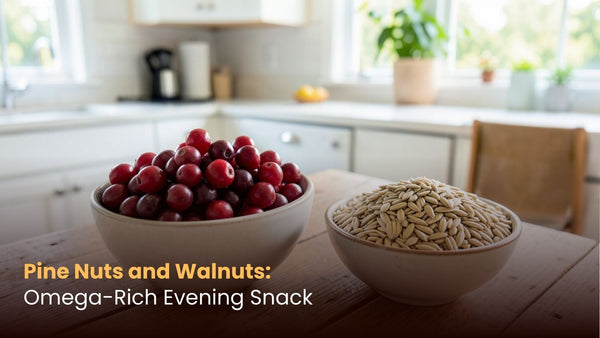
As evening snacks, a small portion of walnuts and cashews can be an excellent choice to curb hunger while delivering joint-supporting nutrients. Combine them with dried fruits like raisins, cranberries, or apricots for a trail mix, or enjoy them on their own. Eating them as a snack in the evening provides your body with essential minerals and healthy fats that can support cartilage maintenance and reduce inflammation overnight, making it a practical addition to a joint-friendly diet.
Precautions and Considerations
While walnuts and cashews are generally safe for most people, certain precautions should be kept in mind. Individuals with nut allergies should avoid them entirely, as even small amounts can trigger allergic reactions. Overconsumption can contribute to excess calorie intake, potentially leading to weight gain, so it is important to stick to recommended portions of about a handful per day.
Storage is another important factor for maintaining the freshness and nutritional quality of these nuts. Keep them in a cool, dry place, ideally in airtight containers or in the refrigerator, to prevent exposure to heat, humidity, or light, which can cause the nuts to become rancid. Choosing raw or lightly roasted varieties without added sugars, salt, or oils ensures that you are getting the maximum health benefits. Excessive processing, such as heavy roasting or coating with sugar or salt, can reduce the antioxidant content and increase the risk of inflammation, counteracting some of the joint-supporting effects.
By keeping these considerations in mind, you can safely and effectively include walnuts and cashews in your diet, maximizing their benefits for joint health while enjoying their natural taste and versatility.
Other Foods That Complement Walnuts and Cashews for Joints
Including other joint-friendly foods can enhance the benefits of walnuts and cashews. Fatty fish like salmon, leafy greens, berries, turmeric, and ginger have anti-inflammatory properties and support overall joint health. Together, these foods create a nutrient-dense diet that reduces inflammation, strengthens bones, and maintains joint flexibility.
Conclusion
Walnuts and cashews are a natural, delicious, and effective way to support joint health. By providing essential fatty acids, antioxidants, and minerals, they help reduce inflammation, strengthen bones, and improve mobility. Incorporating these nuts into a balanced diet, alongside other nutrient-rich foods, can be a sustainable approach to maintaining healthy joints. For high-quality walnuts and cashews, Krishival offers premium options that are perfect for daily consumption, ensuring you get the maximum nutritional benefits in every handful.
FAQs
Q1.Are walnuts and cashews good for arthritis patients?
Yes, their anti-inflammatory properties and essential nutrients help reduce joint pain and stiffness, making them suitable for arthritis management.
Q2.How many walnuts and cashews should I eat daily for joint health?
Around 20–30 grams per day of each nut, which is about a small handful, is sufficient to gain joint-supporting benefits.
Q3.Can eating cashews cause weight gain while improving joints?
Excessive intake can lead to extra calories, but moderate portions, combined with a balanced diet, support joint health without significant weight gain.
Q4.Do walnuts and cashews help reduce joint inflammation naturally?
Yes, antioxidants in walnuts and magnesium in cashews help combat inflammation, easing joint discomfort naturally.
Q5.What is the best time to eat walnuts and cashews for joint pain relief?
They can be consumed any time of the day—morning with breakfast, as a snack, or in the evening to provide continuous nutrient support.
Q6.Can I replace supplements with walnuts and cashews for joint health?
While nuts are beneficial, they complement but may not entirely replace targeted supplements if prescribed by a healthcare professional.
Q7.Are roasted cashews and walnuts equally beneficial for joints?
Lightly roasted nuts retain most nutrients, but avoid heavily roasted or salted versions as they may reduce the health benefits.
Q8.Do walnuts and cashews have side effects for people with knee pain?
Generally safe, but those with nut allergies or digestive sensitivities should avoid them. Otherwise, they support joint function without side effects.
Q9.Which is better for joints, raw or soaked walnuts and cashews?
Both are beneficial, but soaking can improve digestibility and nutrient absorption for some individuals.
Q10.Can walnuts and cashews help with age-related joint stiffness?
Yes, regular consumption provides essential nutrients that maintain cartilage and bone health, reducing stiffness as you age.









Share Your Thoughts