

Sunflower Seeds and Hazelnuts: Best Snack for Healthy Skin
Sunflower seeds and hazelnuts are powerful superfoods for skin health. Sunflower seeds provide vitamin E, magnesium, and selenium, which protect and repair the skin, while hazelnuts supply healthy fats, copper, and B vitamins that promote skin regeneration and a natural glow. Eating sunflower seeds and hazelnuts together delivers a perfect combination of nutrients for hydration, elasticity, and anti-ageing benefits. Including sunflower seeds and hazelnuts in your daily diet can help reduce dryness, improve skin texture, and support overall radiance. With convenient, high-quality packs from Krishival, enjoying these nutrient-rich snacks every day is simple and delicious.
Table of Contents
- Introduction
- Nutritional Profile of Sunflower Seeds
- Nutritional Profile of Hazelnuts
- Why Skin Health Needs These Nutrients
- Antioxidants in Sunflower Seeds and Hazelnuts
- Healthy Fats for Skin Glow
- Vitamins and Minerals for Skin Repair
- Best Ways to Eat Sunflower Seeds and Hazelnuts Together
- Snack Ideas for Glowing Skin
- Daily Intake Recommendations
- Timing and Portion Tips
- Storage Guidelines for Freshness
- Potential Side Effects and Precautions
- Conclusion
- FAQs
Nutritional Profile of Sunflower Seeds
Sunflower seeds are rich in vitamin E, an antioxidant that protects skin cells from damage caused by free radicals. They also provide magnesium, selenium, and zinc, which contribute to collagen production and overall skin repair. Additionally, sunflower seeds are a good source of protein and healthy fats, both essential for maintaining skin elasticity and hydration.
Nutritional Profile of Hazelnuts
Hazelnuts contain high levels of monounsaturated fats, which help keep skin smooth and moisturized. They are also rich in vitamin E, copper, manganese, and B vitamins, all of which support skin regeneration and prevent premature aging. The combination of fats and antioxidants in hazelnuts makes them a perfect complement to sunflower seeds for promoting healthy skin.
Why Skin Health Needs These Nutrients
Healthy skin depends on a well-rounded supply of essential nutrients, including vitamins, minerals, and healthy fats. Vitamin E, found abundantly in both sunflower seeds and hazelnuts, acts as a powerful antioxidant that protects skin cells from damage caused by free radicals. This helps prevent premature aging, reduces the appearance of fine lines, and maintains an even skin tone. Zinc, another crucial mineral present in sunflower seeds, plays a key role in wound healing and controlling inflammation. It supports the production of new skin cells and can help calm conditions like acne or minor irritations. Magnesium, found in sunflower seeds, contributes to hydration by regulating moisture retention in the skin and improving elasticity, which keeps the skin supple and soft. Additionally, the combination of healthy fats and protein in hazelnuts and sunflower seeds provides the building blocks for cell membranes, aiding skin repair and regeneration. Regular intake of these nutrients together helps improve overall skin texture, reduces redness and irritation, and promotes a youthful, radiant appearance from the inside out.
Antioxidants in Sunflower Seeds and Hazelnuts
Both sunflower seeds and hazelnuts are loaded with antioxidants. Vitamin E acts as a barrier against free radicals that accelerate skin aging. Selenium in sunflower seeds helps protect the skin from sun damage, while the polyphenols in hazelnuts fight oxidative stress. Together, these antioxidants reduce inflammation, prevent cell damage, and promote a radiant complexion.
Healthy Fats for Skin Glow
The healthy fats in sunflower seeds and hazelnuts, including omega-6 and monounsaturated fats, provide essential fatty acids that nourish the skin. These fats help maintain the skin’s lipid barrier, keeping it hydrated and supple. Regular intake of these fats supports a natural glow and prevents dryness and flakiness.
Vitamins and Minerals for Skin Repair
Sunflower seeds and hazelnuts are packed with essential vitamins and minerals that directly contribute to healthy and radiant skin. Vitamin E, abundant in both nuts and seeds, acts as a powerful antioxidant, shielding skin cells from UV-induced damage and preventing premature aging. Copper, present in hazelnuts, is crucial for collagen synthesis, which helps maintain skin firmness and elasticity. Zinc, found in sunflower seeds, supports the reduction of inflammation and acne, promoting clearer and smoother skin. Magnesium in sunflower seeds aids in cellular repair and helps maintain optimal hydration levels, while the B vitamins in hazelnuts contribute to improved skin tone, texture, and overall complexion. Consuming sunflower seeds and hazelnuts regularly provides a synergistic effect where these nutrients work together to repair damaged skin, strengthen its natural barrier, and enhance resilience against environmental stressors such as pollution, sun exposure, and free radicals.
Best Ways to Eat Sunflower Seeds and Hazelnuts Together
Sunflower seeds and hazelnuts are versatile and can be incorporated into your daily diet in several easy and enjoyable ways. A simple approach is to combine them as a ready-to-eat snack mix, which can be carried to work or school for a quick nutrient boost. You can sprinkle them on salads to add a crunchy texture while enriching your meal with healthy fats, vitamins, and minerals. Blending sunflower seeds and hazelnuts into smoothies creates a creamy texture and allows for effortless nutrient absorption when paired with fruits, yogurt, or plant-based milk. For breakfast, adding them to oatmeal, yogurt bowls, or granola provides sustained energy along with skin-friendly nutrients. Lightly roasting sunflower seeds and hazelnuts can enhance their natural flavor and aroma, making them more enjoyable to eat without significantly compromising their nutritional content. Mixing the two ensures you receive a balanced combination of antioxidants, essential vitamins, and healthy fats in each bite, maximizing the benefits for skin repair, hydration, and overall glow.
Snack Ideas for Glowing Skin
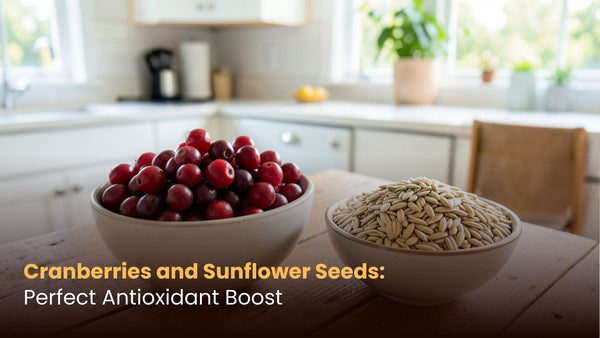
A handful of sunflower seeds and hazelnuts combined with dried cranberries makes a perfect on-the-go snack. The nuts provide healthy fats and essential vitamins for skin repair, while the cranberries add natural antioxidants and a hint of sweetness. This mix is not only energizing but also helps maintain skin hydration and a natural glow throughout the day.
Nut butter made from hazelnuts, combined with crushed sunflower seeds, can be used as a spread on whole-grain toast, crackers, or rice cakes. This snack delivers a creamy texture, healthy fats, and vitamin E, making it ideal for nourishing the skin while satisfying mid-morning or afternoon hunger.
Smoothies blended with almond milk, sunflower seeds, hazelnuts, and berries create a nutrient-rich drink that supports glowing skin. The nuts contribute protein and essential fatty acids, while berries provide antioxidants that fight free radicals and help prevent premature aging. You can also add a spoonful of yogurt or a dash of honey for extra flavor and skin benefits.
Yogurt bowls topped with sunflower seeds, hazelnuts, and a drizzle of honey are another delicious option. The yogurt provides probiotics for gut health, which is linked to better skin, while the nuts supply healthy fats and minerals. The honey adds natural antibacterial properties and a touch of sweetness, making this snack both tasty and skin-friendly.
Trail mixes with sunflower seeds, hazelnuts, raisins, and dark chocolate pieces are perfect for travel or as a quick snack between meals. The combination of nuts, seeds, and dried fruits ensures a balance of proteins, healthy fats, and antioxidants, while dark chocolate in moderation provides additional flavonoids that protect the skin from oxidative stress. This mix is convenient, satisfying, and supports a radiant complexion naturally.
Daily Intake Recommendations
For optimal skin benefits, aim for 1–2 tablespoons of sunflower seeds and 10–12 hazelnuts per day. This ensures a good supply of healthy fats, vitamins, and minerals without exceeding calorie requirements. Portion control is key to maintaining a healthy diet while reaping skin benefits.
Timing and Portion Tips
Snacking on sunflower seeds and hazelnuts at the right times can maximize their benefits for both energy and skin health. Eating them between meals helps maintain steady energy levels and provides a continuous supply of essential nutrients that support skin repair and rejuvenation throughout the day. In the morning, a handful can serve as a nutritious start to your day, giving you a boost of protein, healthy fats, and vitamins. As an afternoon snack, they can prevent energy slumps and provide nutrients that combat oxidative stress caused by daily exposure to pollution and UV rays. Consuming them in the evening or before bed is also beneficial, as the body performs most of its repair and regeneration processes during sleep, allowing the antioxidants and healthy fats to work effectively on skin cell repair. It is important to keep portion sizes in mind. Excessive consumption may lead to digestive discomfort such as bloating or gas, and the high-calorie content could contribute to unwanted weight gain if eaten in large amounts. A balanced approach is to consume about 1–2 tablespoons of sunflower seeds and 10–12 hazelnuts per day, adjusting slightly based on individual dietary needs and activity levels.
Storage Guidelines for Freshness
Proper storage of sunflower seeds and hazelnuts is crucial to maintain their nutritional quality, flavor, and safety. These nuts and seeds should be stored in airtight containers to protect them from exposure to air, which can lead to oxidation and rancidity. Keeping them in a cool, dry place away from heat sources, direct sunlight, or moisture helps preserve their natural oils, taste, and vitamin content. For longer-term storage, especially with shelled sunflower seeds and hazelnuts, refrigeration is recommended, as it slows down the oxidation process and prevents spoilage. If you purchase them in bulk, consider dividing them into smaller portions in airtight containers so that you only open small amounts at a time, minimizing exposure to air. Avoid storing them in plastic bags for extended periods, as this can trap humidity and encourage mold growth. Always check for unusual odors or changes in texture before consuming, as rancid nuts lose both taste and nutritional benefits.
Potential Side Effects and Precautions
While sunflower seeds and hazelnuts are generally safe and highly beneficial for most people, it is important to be aware of potential side effects and precautions. Overconsumption may lead to digestive issues such as bloating, gas, or mild stomach discomfort due to their high fiber and fat content. Because hazelnuts are tree nuts, they can trigger allergic reactions in susceptible individuals, ranging from mild itching or swelling to severe anaphylactic responses in extreme cases. People with nut allergies should avoid hazelnuts entirely and consume sunflower seeds with caution if they have seed sensitivities. Additionally, the high-calorie nature of these snacks means that eating them in large quantities regularly can contribute to weight gain, especially if combined with other calorie-dense foods. To minimize risks, always monitor portion sizes, rotate with other nutrient-rich snacks, and consult a healthcare professional or registered dietitian if you have pre-existing dietary restrictions, digestive issues, or specific skin conditions. Paying attention to these precautions ensures you enjoy sunflower seeds and hazelnuts safely while reaping their skin-boosting benefits.
Conclusion
Sunflower seeds and hazelnuts are excellent snacks for anyone looking to boost skin health naturally. Their combination of antioxidants, vitamins, minerals, and healthy fats supports glowing, resilient, and youthful skin. Incorporating them into your daily diet is simple and delicious, especially with high-quality options from Krishival, ensuring freshness and maximum nutritional value. Make these nutrient-packed snacks a regular part of your routine for a natural skin glow.
FAQs
Q1.Are sunflower seeds and hazelnuts suitable for all skin types?
Yes, they are suitable for most skin types. Their antioxidants and healthy fats help maintain hydration and elasticity, benefiting dry, normal, and combination skin.
Q2.Can I eat sunflower seeds and hazelnuts daily for glowing skin?
Yes, moderate daily intake (1–2 tablespoons of sunflower seeds and 10–12 hazelnuts) can provide essential nutrients to support skin health.
Q3.Should I soak sunflower seeds and hazelnuts before eating?
Soaking can improve digestibility and nutrient absorption, but it is not strictly necessary if the seeds and nuts are fresh and high-quality.
Q4.How long does it take to see skin benefits?
Regular consumption over 4–6 weeks may show improvements in hydration, smoothness, and glow, depending on overall diet and lifestyle.
Q5.Can these snacks help with acne or pigmentation?
Their zinc, vitamin E, and antioxidants can reduce inflammation and oxidative stress, which may help improve acne and even skin tone over time.
Q6.Is it okay to eat them at night?
Yes, they can be eaten at any time. Consuming a small portion at night is safe and can provide nutrients while the body repairs skin during sleep.
Q7.Do roasted sunflower seeds lose their skin benefits?
Light roasting retains most nutrients, but excessive high-heat roasting may reduce some antioxidants. Opt for lightly roasted or raw seeds for maximum benefit.
Q8.Are sunflower seeds and hazelnuts suitable for people with nut allergies?
Hazelnuts may trigger allergic reactions, so people with nut allergies should avoid them. Sunflower seeds are generally safe unless there is a specific seed allergy.
Q9.Can I blend them into smoothies for the same benefits
Yes, blending them into smoothies preserves their nutrients while making them easy to consume. Pairing with fruits or dairy can enhance nutrient absorption.
Q10.Are these snacks good for anti-ageing purposes?
Yes, the antioxidants, vitamin E, and healthy fats in sunflower seeds and hazelnuts help combat free radicals, support collagen production, and slow down signs of skin aging.


Share Your Thoughts