
Raisins and sunflower seeds are often celebrated for their delightful taste and versatile use in various dishes, but did you know they also offer incredible benefits for your skin? Packed with powerful antioxidants, these two natural ingredients are effective in protecting the skin from oxidative stress, helping it look youthful and radiant. Raisins, with their high concentration of polyphenols, and sunflower seeds, rich in vitamin E and selenium, are more than just tasty snacks; they are valuable allies in maintaining healthy, glowing skin. In this blog, we’ll explore how raisins and sunflower seeds work together to improve skin health, the science behind their antioxidant properties, and how to incorporate them into your diet for maximum skin benefits.
Table of Contents
- Introduction
- What Makes Raisins and Sunflower Seeds Beneficial for Skin Health?
- The Nutritional Profile of Raisins
- The Nutritional Profile of Sunflower Seeds
- How Antioxidants in Raisins and Sunflower Seeds Help Protect Skin
- Additional Skin Health Benefits of Raisins and Sunflower Seeds
- Incorporating Raisins and Sunflower Seeds into Your Diet for Skin Protection
- Potential Considerations and Side Effects
- Conclusion
- Frequently Asked Questions (FAQs)
What Makes Raisins and Sunflower Seeds Beneficial for Skin Health?
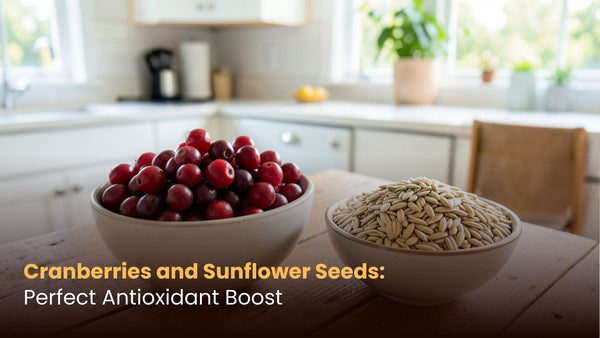
Raisins and sunflower seeds are loaded with key nutrients that support skin health. Raisins, with their antioxidant-rich polyphenols and high vitamin C content, help fight the damaging effects of free radicals that contribute to skin aging. Sunflower seeds, on the other hand, are an excellent source of vitamin E, an antioxidant that plays a crucial role in protecting the skin from environmental damage, preventing premature aging, and supporting overall skin vitality. Together, they form a dynamic duo that not only nourishes the skin from within but also supports its natural defense mechanisms against UV damage and pollution.
The Nutritional Profile of Raisins
Raisins are more than just sweet and chewy— they are packed with essential nutrients that contribute to skin health. In addition to being rich in antioxidants, raisins contain high levels of vitamin C, which helps in collagen production and promotes skin firmness. Raisins also contain potassium, which helps maintain skin hydration and balance, and iron, which improves blood circulation and gives the skin a healthy glow. Furthermore, raisins are a great source of natural sugars, providing energy without the glycemic spikes associated with processed sugars.
The Nutritional Profile of Sunflower Seeds
Sunflower seeds are a nutritional powerhouse, particularly beneficial for skin health. They are rich in vitamin E, a fat-soluble antioxidant that helps protect skin cells from oxidative damage caused by free radicals. Vitamin E also works to keep the skin moisturized, smooth, and free from dryness. Selenium, another key nutrient in sunflower seeds, has anti-inflammatory properties and helps protect the skin from sun damage and premature aging. Sunflower seeds are also a good source of magnesium, which promotes healthy blood flow and supports the skin's natural healing process.
How Antioxidants in Raisins and Sunflower Seeds Help Protect Skin
Antioxidants are essential in protecting the skin from damage caused by free radicals—unstable molecules that accelerate the aging process and contribute to various skin conditions. Raisins are rich in polyphenols, which are known for their strong antioxidant properties, protecting the skin from oxidative stress caused by pollution and UV rays. The vitamin C in raisins further aids in collagen formation, keeping the skin firm and elastic.
Sunflower seeds are a potent source of vitamin E, a powerful antioxidant that shields skin cells from free radical damage. Vitamin E also plays a significant role in reducing skin inflammation and promoting the healing of wounds or scars. Together, the antioxidants in raisins and sunflower seeds work synergistically to combat the signs of aging, improve skin texture, and enhance the skin’s natural protective barrier.
Additional Skin Health Benefits of Raisins and Sunflower Seeds
Aside from their antioxidant properties, raisins and sunflower seeds offer several other benefits for the skin:
-
Hydration:Raisins contain a good amount of natural sugars and water, which can help keep the skin hydrated and prevent dryness.
-
Anti-inflammatory Effects: The omega-3 fatty acids in sunflower seeds help reduce skin inflammation, which can be beneficial for individuals with acne, rosacea, or other inflammatory skin conditions.
-
Improved Skin Elasticity: The combination of vitamin C in raisins and vitamin E in sunflower seeds enhances skin elasticity, making the skin appear firmer and more youthful.
-
Prevention of Sun Damage: Sunflower seeds’ selenium content protects against UV-induced skin damage, preventing premature aging, wrinkles, and pigmentation.
Incorporating Raisins and Sunflower Seeds into Your Diet for Skin Protection
Including raisins and sunflower seeds in your daily diet is simple and can be done in various ways:
-
Snack on Raisins: A small handful of raisins is a perfect snack between meals, providing a quick energy boost and skin benefits.
-
Add to Smoothies: Blend raisins and sunflower seeds into your morning smoothie for a nutrient-packed drink that supports your skin and overall health.
-
Sprinkle on Salads:Sunflower seeds add a crunchy texture to salads, while raisins provide a sweet contrast, making them a delicious and nutritious addition.
-
Incorporate into Baking: Add both raisins and sunflower seeds to muffins, cookies, or granola bars for an extra layer of flavor and nutrition.
-
Use in Oatmeal: Top your oatmeal with raisins and sunflower seeds for a hearty, skin-boosting breakfast.
Potential Considerations and Side Effects
While raisins and sunflower seeds offer numerous skin benefits, it’s important to keep a few considerations in mind:
-
Caloric Content: Both raisins and sunflower seeds are calorie-dense foods. It’s essential to consume them in moderation to avoid excessive calorie intake.
-
Allergies: Sunflower seeds are a common allergen for some individuals. If you have allergies to seeds or nuts, it’s best to consult a healthcare professional before incorporating sunflower seeds into your diet.
-
Sugar Content in Raisins: Raisins are naturally high in sugars, so if you're monitoring your sugar intake, be mindful of portion sizes.
Conclusion
Raisins and sunflower seeds are not just delicious snacks, but also powerful allies in maintaining healthy and youthful skin. With their rich antioxidant content, these foods help protect the skin from oxidative stress, reduce inflammation, and support hydration. By incorporating raisins and sunflower seeds into your daily diet, you can enjoy a glowing complexion and prevent the signs of premature aging. Whether eaten alone or added to your favorite meals, these nutrient-packed superfoods offer easy and tasty ways to boost your skin health naturally. For premium-quality raisins and sunflower seeds, Krishival offers the best selection, ensuring you get the freshest and most nutrient-dense options to support your skin care routine.
Frequently Asked Questions (FAQs)
-
How do raisins protect the skin?
Raisins are rich in antioxidants like polyphenols and vitamin C, which protect the skin from oxidative stress caused by environmental factors such as pollution and UV radiation. These antioxidants help improve collagen production, which supports skin elasticity and prevents the formation of wrinkles. The high vitamin C content also aids in skin rejuvenation and promotes a youthful appearance.
-
What antioxidants are found in raisins and sunflower seeds?
Raisins contain polyphenols and vitamin C, both powerful antioxidants that fight oxidative stress and support collagen production in the skin. Sunflower seeds are rich in vitamin E and selenium, which help protect the skin from free radical damage, reduce inflammation, and prevent premature signs of aging, such as wrinkles and pigmentation.
-
Can sunflower seeds help reduce wrinkles?
Yes, sunflower seeds are particularly beneficial in reducing wrinkles due to their high content of vitamin E, which acts as a potent antioxidant. Vitamin E helps protect the skin from damage caused by free radicals and supports skin hydration, resulting in smoother, more youthful skin with fewer wrinkles.
-
How much raisins and sunflower seeds should I consume for skin health?
A serving size of about 1 ounce (28g) of raisins and sunflower seeds per day is ideal for skin health. This amount provides a significant dose of antioxidants, healthy fats, and vitamins to support skin hydration, elasticity, and overall health without overconsuming calories. Moderation is key, as both raisins and sunflower seeds are calorie-dense.
-
Are raisins and sunflower seeds suitable for all skin types?
Yes, raisins and sunflower seeds are beneficial for all skin types, from oily to dry. Their anti-inflammatory properties make them particularly helpful for those with sensitive or acne-prone skin, as they help calm irritation and reduce breakouts. The hydrating nature of raisins and sunflower seeds also ensures that even dry skin types can benefit from their moisturizing effects.
-
Do raisins and sunflower seeds help with acne?
Both raisins and sunflower seeds contain antioxidants that reduce inflammation, which can help manage acne and other inflammatory skin conditions. Raisins, with their polyphenols, help prevent oxidative stress that contributes to acne, while sunflower seeds provide zinc, which supports the healing process and helps reduce acne outbreaks.
-
Can sunflower seeds help improve skin elasticity?
Yes, sunflower seeds are an excellent source of vitamin E, which is essential for maintaining skin elasticity. Vitamin E helps protect the skin from oxidative damage and supports collagen production, which is vital for keeping the skin firm and elastic. Regular consumption of sunflower seeds can lead to smoother, more resilient skin.
-
Are raisins better for the skin when eaten raw or soaked?
Both raw and soaked raisins offer skin benefits. Soaking raisins can enhance their absorption of nutrients, such as vitamin C, making it easier for the body to digest and use these nutrients. However, raw raisins still retain their antioxidant and vitamin content and are just as beneficial. The choice between raw and soaked depends on personal preference.
-
Can sunflower seeds help protect the skin from sun damage?
Yes, selenium in sunflower seeds plays a significant role in protecting the skin from sun damage by reducing the effects of UV-induced oxidative stress. Selenium helps prevent sunburn, skin aging, and hyperpigmentation, making sunflower seeds a great food for those looking to safeguard their skin from environmental damage.
-
How quickly can I see skin benefits from eating raisins and sunflower seeds?
While results can vary depending on individual factors like diet, lifestyle, and skin type, incorporating raisins and sunflower seeds into your daily diet can show improvements in skin hydration, elasticity, and overall glow within a few weeks. Consistency is key—regular consumption will help your skin reap the full benefits of these nutrient-packed superfoods.

Share Your Thoughts