

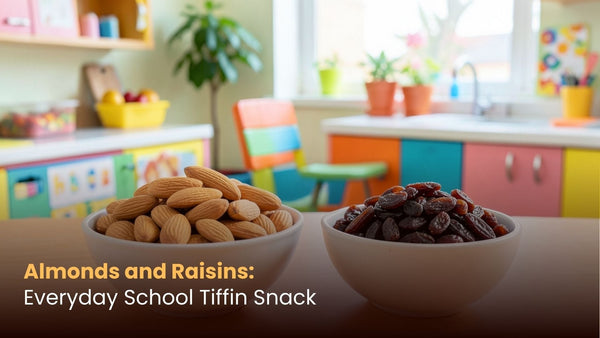
Raisins and Almonds: The Classic Combo for School Kids
Raisins are sweet, chewy dried grapes packed with natural sugars, iron, and fiber. Almonds are crunchy nuts loaded with protein, healthy fats, calcium, and vitamin E. Raisins and almonds together make a perfect snack for school kids, providing instant energy and essential nutrients. This classic combo helps children stay active, focused, and healthy throughout the day. Including raisins and almonds in daily snacks is easy, delicious, and highly beneficial for growing kids.
Table of Contents
- Introduction
- Nutritional Profile of Raisins
- Nutritional Profile of Almonds
- Why Raisins and Almonds Make the Perfect Combo
- Health Benefits for School Kids
- Best Ways to Serve Raisins and Almonds to Kids
- Ideal Portion Sizes for Daily Consumption
- Creative Snack Ideas and Recipes
- Tips for Storing Raisins and Almonds
- Best Time of Day for Kids to Eat This Combo
- Possible Allergies or Precautions
- Conclusion
- FAQs
Nutritional Profile of Raisins
Raisins are dried grapes packed with concentrated nutrients. They are rich in natural sugars, dietary fiber, iron, potassium, and antioxidants. These nutrients help in maintaining energy levels, supporting digestion, and improving immunity. Raisins are also a good source of polyphenols, which aid in reducing inflammation and promoting overall health. For school kids, raisins act as a quick energy booster without the need for processed sugars.
Nutritional Profile of Almonds
Almonds are nutrient-dense nuts containing healthy fats, protein, vitamin E, magnesium, and calcium. They are excellent for brain development and cognitive functions in growing children. Almonds help maintain healthy skin and bones, support the immune system, and provide sustained energy throughout the day. Including almonds in a child’s diet also helps in managing hunger between meals, making them an ideal addition to snacks and lunchboxes.
Why Raisins and Almonds Make the Perfect Combo
Combining raisins and almonds creates a well-rounded snack. The natural sugars in raisins provide instant energy, while the protein and healthy fats in almonds ensure long-lasting satiety. This combo not only tastes delicious but also balances quick energy with slow-release nutrients. Together, they improve concentration, enhance physical stamina, and provide essential vitamins and minerals necessary for growing children.
Health Benefits for School Kids
Raisins and almonds provide a natural boost of energy that helps children stay active throughout the school day and during extracurricular activities. The natural sugars in raisins give instant energy, while the protein and healthy fats in almonds ensure sustained stamina, keeping kids alert and engaged in both mental and physical tasks.
This combo also supports brain development and enhances memory function. Almonds are rich in vitamin E, healthy fats, and essential nutrients that improve cognitive performance, while raisins provide antioxidants that help protect brain cells from damage. Together, they contribute to better focus, learning, and overall mental performance.
The fiber content in raisins aids healthy digestion in children. It helps regulate bowel movements, prevents constipation, and supports a healthy gut, which is essential for overall growth and nutrient absorption. Regular intake of this fiber-rich snack can promote better digestive health in school-going children.
Almonds are an excellent source of calcium and magnesium, which strengthen bones and teeth. Coupled with the natural minerals found in raisins, this combo supports healthy skeletal development and helps maintain strong teeth, which is especially important during the growth years.
The antioxidants and essential nutrients present in both raisins and almonds help enhance immunity. Regular consumption of this snack can reduce the risk of infections, support the body’s natural defense mechanisms, and keep children healthier during school months when they are more exposed to common illnesses.
Finally, this combination helps maintain a healthy weight by controlling hunger between meals. The protein and healthy fats in almonds provide satiety, while the natural sugars in raisins curb sudden sugar cravings. This prevents children from reaching for unhealthy snacks and promotes balanced eating habits from an early age.
Best Ways to Serve Raisins and Almonds to Kids
Raisins and almonds can be served to children in a variety of simple and enjoyable ways. One of the easiest methods is to mix them together as a ready-to-eat snack. This combination is convenient for school lunchboxes or after-school snacking, providing a quick energy boost and essential nutrients without any preparation.
Another way to include this combo is by adding raisins and almonds to morning cereals or porridge. The natural sweetness of raisins complements the creamy texture of porridge, while almonds add a satisfying crunch and a dose of protein. This makes breakfast both nutritious and appealing to children.
You can also incorporate them into yogurt or smoothie bowls. Mixing raisins and chopped almonds into yogurt or a fruit smoothie adds flavor, texture, and additional vitamins and minerals. This makes for a wholesome snack that can keep kids full and energized between meals.
For parents looking to provide a more indulgent yet healthy option, raisins and almonds can be blended into homemade energy bars or granola. These can be prepared in batches and stored for the week, offering a convenient snack for school or sports activities.
Lastly, raisins and almonds can be sprinkled over fruit salads or desserts. Adding this combination enhances the taste, texture, and nutritional value of simple treats. Children enjoy the sweet and crunchy contrast, making healthy snacking fun and engaging.
Ideal Portion Sizes for Daily Consumption
While raisins and almonds are highly nutritious, it is important to maintain portion control to maximize benefits and avoid overconsumption. For school kids aged 4–8 years, a daily serving of 4–5 almonds and 5–6 raisins is sufficient. This amount provides essential nutrients and energy suitable for their activity levels and body requirements.
For children aged 9–12 years, the recommended portion increases slightly to 6–8 almonds and 7–10 raisins per day. At this stage, kids are more active and need additional protein, healthy fats, and natural sugars to sustain energy throughout school and extracurricular activities.
Teenagers, who have higher nutritional demands due to growth spurts and increased physical activity, can consume 8–10 almonds and 10–12 raisins per day. This ensures they receive adequate protein, minerals, and fiber to support overall growth, cognitive function, and stamina.
Maintaining these portion sizes not only helps children get the benefits of raisins and almonds but also prevents digestive discomfort or excessive calorie intake. By following these guidelines, parents can provide a balanced and healthful snack that children will enjoy regularly.
Creative Snack Ideas and Recipes
Raisin-Almond Energy Balls are a quick and nutritious snack option for school kids. To make them, blend almonds, raisins, and a small amount of honey until the mixture comes together. Shape the mixture into bite-sized balls that are easy for children to hold and eat. These energy balls are perfect for mid-morning snacks or to take along in lunchboxes, providing a combination of protein, fiber, and natural sweetness that keeps kids energized.
Trail Mix is another versatile snack that can be customized based on a child’s preference. Combine raisins, almonds, and other nuts or seeds such as cashews, walnuts, or pumpkin seeds. You can also add a few dried fruits like cranberries or apricots for added flavor and nutrients. Trail mix is easy to prepare in bulk and can be stored in airtight containers, making it a convenient option for school snacks or outdoor activities.
Almond-Raisin Muffins provide a delicious and wholesome treat that can be enjoyed for breakfast or as an afternoon snack. Simply chop almonds and mix them with raisins, then fold them into muffin batter. Bake until golden brown. These muffins combine the sweetness of raisins with the crunch of almonds, making them a healthier alternative to sugar-heavy baked goods while still appealing to kids.
Yogurt Parfait is a visually appealing and nutrient-rich breakfast or snack option. Layer plain or flavored yogurt with raisins, chopped almonds, and fresh fruits like strawberries, bananas, or blueberries. The combination of creamy yogurt, crunchy almonds, and chewy raisins creates an enjoyable texture and a balanced snack. Yogurt adds probiotics that support digestive health, while almonds and raisins boost energy and nutrient intake.
Oatmeal Topping is a simple way to enhance the taste and nutrition of a regular bowl of oatmeal. Sprinkle raisins and sliced almonds on top of cooked oatmeal, along with a drizzle of honey or a dash of cinnamon for extra flavor. This topping not only adds a sweet crunch but also provides protein, fiber, and essential minerals, making oatmeal more appealing to children while increasing its nutritional value.
Tips for Storing Raisins and Almonds
To maintain the freshness and quality of almonds, it is best to store them in an airtight container. This prevents moisture from affecting their texture and taste. Almonds can also be stored in the refrigerator for longer shelf life, especially in humid climates where nuts may spoil faster.
Raisins should be kept in a cool, dry place away from direct sunlight. Excessive heat or sunlight can make them dry out further or lose their flavor. For long-term storage, refrigeration is recommended to maintain their chewy texture and prevent fermentation or mold.
Both almonds and raisins should be stored away from strong-smelling foods, as they can easily absorb odors. This ensures that their natural taste remains intact. Before serving, check for any signs of spoilage such as discoloration, mold, or a rancid smell. Proper storage practices not only extend shelf life but also ensure that your child enjoys a safe, healthy, and delicious snack every time.
Best Time of Day for Kids to Eat This Combo
The timing of giving raisins and almonds to kids can significantly impact their energy levels and overall digestion. Mid-morning is an ideal time because it provides a natural energy boost after breakfast, helping children stay focused and active during school activities or lessons. In the afternoon, this combo acts as a healthy pick-me-up, combating the mid-day slump and keeping kids alert until snack or lunch breaks. Before sports or outdoor activities, consuming raisins and almonds can help boost stamina and maintain energy levels, preventing hunger during games or physical play. However, it is best to avoid giving this combination immediately before bedtime, as the fiber in raisins and the fat in almonds may cause digestive discomfort or interfere with sleep for some children.
Possible Allergies or Precautions
While raisins and almonds are highly nutritious, certain precautions should be taken, especially for young or sensitive children. Almonds are tree nuts and can trigger allergic reactions in some kids, ranging from mild symptoms like rashes to more severe issues. To minimize risks, it is recommended to introduce almonds gradually, starting with small portions and observing for any reactions over a few days. Raisins should be checked to ensure they are free from added sugars, preservatives, or other additives that might affect sensitive children. For younger kids, chopping or soaking almonds can prevent choking hazards and make them easier to chew and digest. Additionally, parents should consult a pediatrician before introducing new nuts or dried fruits if the child has a history of allergies or any other health concerns, ensuring that this snack is safe and suitable for their diet.
Conclusion
Raisins and almonds are a simple yet highly nutritious snack that can be easily included in a child’s daily diet. Their combination offers essential nutrients, energy, and taste, making them ideal for school kids. Whether eaten alone, in cereals, or in creative recipes, this combo supports growth, brain development, and overall health. For parents seeking premium quality, Krishival offers carefully selected almonds and raisins that are natural, fresh, and perfect for kids’ snacks, ensuring both health and taste in every bite.
FAQs
Q1. Can raisins and almonds be eaten together every day?
Yes, in moderation, this combo can be consumed daily. It provides essential nutrients and energy without adding processed sugar.
Q2. What is the best age to start giving this combo to kids?
Children aged 2–3 years can start having soaked and finely chopped almonds with small amounts of raisins, gradually increasing the portion as they grow.
Q3. How many almonds should a child eat daily?
For school-aged kids, 4–10 almonds depending on age are ideal, ensuring sufficient protein and healthy fats without overloading calories.
Q4. Are soaked almonds better for kids than raw ones?
Soaked almonds are easier to chew and digest, especially for younger children, and can enhance nutrient absorption.
Q5. Can raisins cause cavities in children’s teeth?
If consumed in excess and without proper oral hygiene, raisins’ natural sugars can contribute to cavities. Rinse or brush teeth after snacking.
Q6. What is the right portion of raisins for school kids?
For daily consumption, 5–12 raisins depending on age is recommended. This provides energy and fiber without excess sugar intake.
Q7. Should the combo be given in the morning or evening?
Morning or mid-afternoon is ideal. Avoid giving right before bedtime to prevent any digestive issues.
Q8. Are there any side effects of overeating almonds?
Excessive almond consumption can lead to digestive discomfort, weight gain, or nutrient imbalance. Stick to recommended portions.
Q9. How can I make this snack more appealing to picky eaters?
Mix raisins and almonds with cereals, yogurt, or homemade energy balls. Creative recipes can make the combo fun and tasty.
Q10. Can raisins and almonds be added to a child’s school lunchbox?
Absolutely. Pack them in small, airtight containers for a healthy, easy-to-carry snack that provides energy and nutrition throughout the school day.





Share Your Thoughts