

Pumpkin Seeds and Pistachios: Best Snack for Heart and Gut
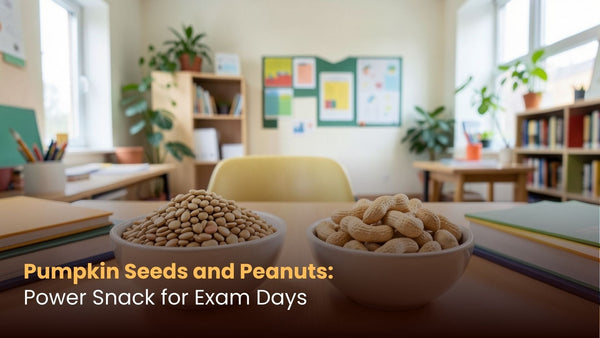
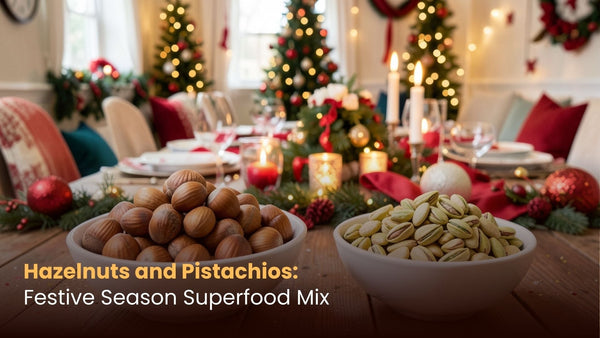
Pumpkin seeds and pistachios are more than just tasty snacks; pumpkin seeds are rich in magnesium, zinc, and healthy fats, while pistachios are packed with protein, fiber, and potassium. Both pumpkin seeds and pistachios play a significant role in supporting heart and gut health. Consuming pumpkin seeds helps lower cholesterol, improve circulation, and provide essential nutrients for cardiovascular wellness. Pistachios, on the other hand, support healthy digestion, regulate blood pressure, and offer antioxidant protection for the heart. Regularly including pumpkin seeds and pistachios in your diet can strengthen cardiovascular function, promote a healthy gut microbiome, and provide sustained energy. These snacks are not only nutritious but also convenient and versatile, making them an ideal addition to a daily healthy eating routine.
Table of Contents
- Introduction
- Nutritional Profile of Pumpkin Seeds
- Nutritional Profile of Pistachios
- How Pumpkin Seeds Support Heart Health
- How Pistachios Support Heart Health
- Role of Pumpkin Seeds in Gut Health
- Role of Pistachios in Gut Health
- Combined Benefits: Pumpkin Seeds and Pistachios Together
- Best Ways to Consume Pumpkin Seeds and Pistachios
- Ideal Time to Eat These Snacks
- Portion Control and Daily Recommended Intake
- Precautions and Possible Side Effects
- Other Complementary Foods for Heart and Gut
- Conclusion
- FAQs
Nutritional Profile of Pumpkin Seeds
Pumpkin seeds, also known as pepitas, are tiny powerhouses of nutrition that provide a wide range of essential nutrients beneficial for overall health. They are particularly rich in minerals such as magnesium, zinc, and iron. Magnesium plays a vital role in maintaining healthy blood pressure, supporting heart function, and contributing to proper muscle and nerve function. Zinc is important for immune system support, wound healing, and DNA synthesis, while iron is crucial for the production of hemoglobin and maintaining energy levels.
In addition to minerals, pumpkin seeds are a good source of high-quality plant-based protein, making them an excellent option for vegetarians and vegans. They contain healthy fats, predominantly unsaturated fatty acids, which are known to improve heart health by helping to manage cholesterol levels. One ounce of pumpkin seeds contains approximately 150 calories, 7 grams of protein, 13 grams of fat, and 1 gram of dietary fiber, which supports digestion and gut health.
Pumpkin seeds are also rich in antioxidants, including vitamin E and carotenoids, which help combat oxidative stress in the body and reduce inflammation. Phytosterols present in pumpkin seeds contribute to lowering LDL cholesterol levels, supporting cardiovascular health. Furthermore, pumpkin seeds are a plant-based source of omega-3 fatty acids, which have been linked to reduced risk of heart disease, improved brain function, and better joint health. Regular consumption of pumpkin seeds can also support bone health due to their magnesium and zinc content, and their combination of nutrients makes them an excellent choice for overall wellness.
Nutritional Profile of Pistachios
Pistachios are nutrient-dense nuts that offer a combination of healthy fats, protein, fiber, vitamins, and minerals, making them a well-rounded addition to a heart- and gut-friendly diet. One ounce of pistachios contains roughly 160 calories, 6 grams of protein, 13 grams of fat (mostly unsaturated), and 3 grams of dietary fiber. This fiber content helps improve digestion, promotes satiety, and supports the growth of beneficial gut bacteria.
Pistachios are particularly high in potassium and vitamin B6. Potassium is essential for regulating blood pressure, maintaining proper heart function, and supporting electrolyte balance in the body. Vitamin B6 plays a crucial role in metabolism, red blood cell production, and the proper functioning of the nervous system. Additionally, pistachios are rich in antioxidants such as lutein and zeaxanthin, which help protect cells from oxidative damage, reduce inflammation, and support eye health.
The protein content in pistachios, along with essential amino acids, contributes to muscle maintenance and repair. The healthy fats, particularly monounsaturated and polyunsaturated fats, help reduce LDL cholesterol levels while increasing HDL cholesterol, promoting a balanced lipid profile. Pistachios also contain a variety of micronutrients such as copper, manganese, and phosphorus, which play roles in energy production, bone health, and enzymatic reactions in the body.
Including pistachios in your diet can support heart health by improving arterial flexibility, lowering blood pressure, and maintaining healthy cholesterol levels. They are also beneficial for weight management due to their satiating protein and fiber content, and their combination of nutrients contributes to improved digestion and overall gut function. Regular consumption of pistachios, when combined with a balanced diet, can help maintain cardiovascular health, support digestive wellness, and provide long-lasting energy.
How Pumpkin Seeds Support Heart Health
Pumpkin seeds promote heart health in several important ways, largely due to their rich content of magnesium, antioxidants, and healthy fats. Magnesium, a mineral abundant in pumpkin seeds, plays a critical role in maintaining cardiovascular function. It helps relax the smooth muscles in blood vessels, which improves blood flow and circulation while reducing overall blood pressure. Consistently adequate magnesium intake has been associated with a lower risk of hypertension, a major risk factor for heart disease.
In addition to magnesium, pumpkin seeds contain phytosterols, plant-based compounds structurally similar to cholesterol. Phytosterols help reduce the absorption of LDL, or "bad" cholesterol, in the bloodstream, which can decrease plaque formation in arteries and lower the risk of atherosclerosis. The seeds are also rich in healthy fats, including omega-3 fatty acids and monounsaturated fats, which help improve lipid profiles. These fats work by reducing triglyceride levels, increasing HDL or "good" cholesterol, and decreasing inflammation, which collectively support the overall health of the cardiovascular system. Furthermore, pumpkin seeds contain antioxidants such as vitamin E and carotenoids, which protect heart cells from oxidative stress and damage caused by free radicals. Incorporating pumpkin seeds into the diet can contribute to long-term heart protection, making them a simple yet effective tool for maintaining cardiovascular wellness.
How Pistachios Support Heart Health
Pistachios, on the other hand, are another nutrient-dense option that offers significant heart-protective benefits. They are rich in unsaturated fats, including both monounsaturated and polyunsaturated fatty acids, which are known to improve cholesterol balance. Consuming pistachios has been shown to lower LDL cholesterol and triglycerides while increasing HDL cholesterol, contributing to better lipid management and reduced cardiovascular risk.
In addition to healthy fats, pistachios are a good source of potassium, a mineral essential for regulating blood pressure. Adequate potassium intake helps counteract the effects of sodium in the diet, relaxes blood vessels, and supports healthy circulation. Pistachios also provide antioxidants such as lutein, zeaxanthin, and polyphenols, which protect the heart by reducing oxidative stress and inflammation within blood vessels. Studies have indicated that regular consumption of pistachios can improve arterial flexibility, reduce endothelial dysfunction, and lower markers of inflammation, all of which are associated with a lower risk of heart disease. Including pistachios as part of a balanced diet can therefore enhance cardiovascular health, support blood pressure management, and contribute to long-term heart protection.
By combining the nutrient power of pumpkin seeds and pistachios, individuals can benefit from complementary mechanisms that protect the heart, improve lipid profiles, reduce inflammation, and support healthy blood pressure levels.
Role of Pumpkin Seeds in Gut Health
Pumpkin seeds contribute to gut health due to their fiber content, which promotes regular bowel movements and supports a healthy gut microbiome. They contain prebiotic compounds that feed beneficial gut bacteria. Additionally, the antioxidants in pumpkin seeds help reduce inflammation in the digestive tract, improving overall gut function and nutrient absorption.
Role of Pistachios in Gut Health
Pistachios also support digestive health through their fiber and bioactive compounds. They enhance gut microbiota diversity, increase beneficial bacteria, and improve bowel regularity. Eating pistachios has been associated with reduced markers of gut inflammation and better overall digestive function.
Combined Benefits: Pumpkin Seeds and Pistachios Together
When consumed together, pumpkin seeds and pistachios provide a synergistic effect on heart and gut health. They complement each other’s nutrient profiles, offering a balance of protein, fiber, healthy fats, vitamins, and minerals. Combining these snacks can improve cholesterol management, support healthy digestion, and provide sustained energy throughout the day.
Best Ways to Consume Pumpkin Seeds and Pistachios
Both pumpkin seeds and pistachios can be consumed raw, roasted, or added to meals. Sprinkle them on salads, oatmeal, yogurt, or smoothie bowls. They can also be incorporated into baked goods or trail mixes for a convenient snack. Opting for unsalted or lightly roasted varieties ensures you gain maximum health benefits without excess sodium.
Ideal Time to Eat These Snacks
Pumpkin seeds and pistachios can be enjoyed any time of day. Eating them as a mid-morning or afternoon snack helps maintain energy levels and curb unhealthy cravings. They can also be consumed before meals to enhance satiety and support weight management. A small portion in the evening is fine, as long as it is within your daily calorie allowance.
Portion Control and Daily Recommended Intake
Portion control is important to avoid excess calorie intake. A recommended serving is about a small handful (1 ounce) of each per day. This provides sufficient nutrients without overloading your diet with calories. Consistency is key; moderate daily consumption ensures maximum heart and gut benefits.
Precautions and Possible Side Effects
Although pumpkin seeds and pistachios are packed with nutrients and offer numerous health benefits, it is important to consume them in moderation. Overeating these snacks can lead to digestive issues such as bloating, gas, or mild stomach discomfort because of their high fiber and fat content. Excessive intake can also contribute to unwanted weight gain due to their calorie density. Individuals with nut or seed allergies should be particularly cautious, as both pumpkin seeds and pistachios can trigger allergic reactions ranging from mild itching or hives to more severe symptoms in sensitive individuals. Additionally, many commercially available versions are salted or flavored, which can contain high levels of sodium or added sugars. Excess sodium can elevate blood pressure, counteracting the heart-healthy benefits of these snacks. To maximize health benefits, it is advisable to choose raw, unsalted, or lightly roasted pumpkin seeds and pistachios and stick to the recommended daily portion of about a small handful. Incorporating them gradually into the diet allows the digestive system to adjust and helps prevent any discomfort.
Other Complementary Foods for Heart and Gut
To achieve optimal heart and gut health, pumpkin seeds and pistachios can be combined with other nutrient-dense foods that complement their benefits. Seeds like flaxseeds and chia seeds are rich in omega-3 fatty acids and soluble fiber, which help reduce inflammation and support healthy cholesterol levels. Nuts such as almonds and walnuts provide additional protein, healthy fats, and antioxidants, further promoting cardiovascular health. Leafy greens, including spinach, kale, and Swiss chard, supply essential vitamins, minerals, and phytonutrients that support heart function and overall wellness. Fruits such as berries, rich in fiber and antioxidants, can help reduce oxidative stress and improve gut microbiota diversity. Probiotic-rich foods like yogurt, kefir, and other fermented products encourage the growth of beneficial gut bacteria, aiding digestion and nutrient absorption. Incorporating a variety of these foods alongside pumpkin seeds and pistachios creates a balanced and heart-friendly diet that also nourishes the gut, enhancing overall wellness and sustaining long-term health.
Conclusion
Pumpkin seeds and pistachios are versatile, nutrient-rich snacks that can significantly benefit heart and gut health. Regularly including these snacks in your diet, along with other wholesome foods, supports overall wellness and longevity. For those looking to incorporate high-quality seeds and nuts into their daily routine, Krishival offers premium pumpkin seeds and pistachios that are perfect for a healthy snacking habit. Enjoy these snacks consistently to reap the full spectrum of benefits for your heart and digestive system.
FAQs
Q1. Are pumpkin seeds and pistachios good for weight management along with heart health?
Yes, their protein and fiber content promote satiety, helping control appetite while supporting cardiovascular health. Moderate portions are key to balancing calorie intake.
Q2. Can these seeds and nuts help reduce cholesterol levels?
Both pumpkin seeds and pistachios contain healthy fats and phytosterols that can lower LDL cholesterol and improve overall lipid profiles, reducing heart disease risk.
Q3. How many pistachios and pumpkin seeds should be eaten daily?
A small handful (about 1 ounce) of each per day is recommended. This portion provides sufficient nutrients without excessive calories.
Q4. Are they safe for people with diabetes or high blood pressure?
Yes, in moderation, these snacks can be beneficial for managing blood sugar and blood pressure due to their fiber, magnesium, and healthy fats. Unsalted options are preferable.
Q5. Can I eat pumpkin seeds and pistachios at night?
Yes, eating them in the evening is fine as long as you stick to recommended portions. They may also help curb late-night cravings.
Q6. Are roasted or raw pumpkin seeds better for gut health?
Both are beneficial, but raw or lightly roasted pumpkin seeds retain more nutrients and prebiotic compounds that support a healthy gut microbiome.
Q7. Do pistachios improve digestion and bowel movement?
Yes, their fiber content promotes regular bowel movements and supports beneficial gut bacteria, aiding digestion and reducing gut inflammation.
Q8. Can these be included in a child’s daily diet?
Yes, children can safely enjoy small portions of pumpkin seeds and pistachios as snacks or in meals, helping provide essential nutrients for growth and development.
Q9. Which is better for vegetarians: pumpkin seeds or pistachios?
Both are excellent vegetarian sources of protein, healthy fats, and micronutrients. Including a mix of both ensures a balanced nutrient intake.
Q10. Can I combine them with other nuts or seeds for maximum health benefits?
Absolutely. Combining pumpkin seeds and pistachios with other seeds like flax, chia, or nuts like almonds and walnuts enhances nutrient diversity and amplifies heart and gut benefits.
Share Your Thoughts