

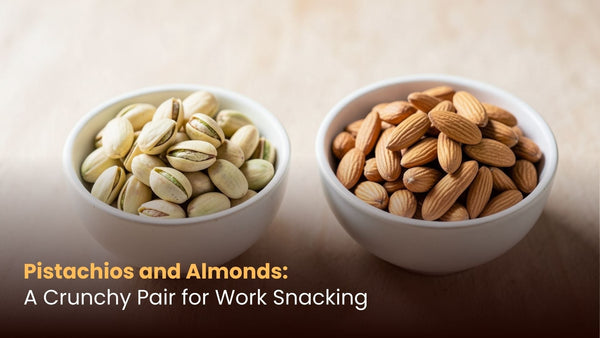
Pistachios and macadamia nuts are increasingly recognised as effective foods for supporting muscle recovery after workouts. Pistachios and macadamia nuts provide a unique combination of plant protein, healthy fats, minerals, and antioxidants that help repair muscle tissue and reduce post-exercise fatigue. After physical activity, muscles need nutrients that support repair, reduce inflammation, and restore energy stores. Including pistachios and macadamia nuts in post-workout meals or snacks offers a natural, whole-food approach to recovery without relying on processed supplements.
Table of Contents
- Introduction
- Why Pistachios and Macadamia Nuts Aid Muscle Recovery
- Nutritional Breakdown of Pistachios for Muscle Repair
- Nutritional Breakdown of Macadamia Nuts for Muscle Repair
- Pistachios and Macadamia Nuts: Muscle Recovery Snack Comparison
- Health Benefits Beyond Muscle Recovery
- Scientific Evidence Supporting These Nuts
- Simple Recipes Using Pistachios and Macadamia Nuts
- How to Incorporate into Your Post-Workout Routine
- Potential Drawbacks and Precautions
- Conclusion
- FAQs
Why Pistachios and Macadamia Nuts Aid Muscle Recovery
Muscle recovery depends on protein availability, reduced inflammation, and replenishment of nutrients lost during exercise. Pistachios contribute plant-based protein, amino acids, potassium, and antioxidants that support muscle repair and reduce soreness. Macadamia nuts complement this by providing healthy monounsaturated fats that protect muscle cells and support hormone balance. Together, they help stabilise energy levels, reduce muscle breakdown, and support faster recovery between training sessions.
Nutritional Breakdown of Pistachios for Muscle Repair
Pistachios are one of the highest-protein nuts, providing approximately 6 grams of protein per ounce. They contain essential amino acids that support muscle tissue repair and rebuilding. Pistachios are also rich in potassium, which helps prevent muscle cramps and supports proper muscle contraction. Vitamin B6 in pistachios aids protein metabolism, while antioxidants such as polyphenols help reduce exercise-induced oxidative stress.
Nutritional Breakdown of Macadamia Nuts for Muscle Repair
Macadamia nuts are rich in healthy monounsaturated fats that protect muscle cell membranes and support recovery at a cellular level. While lower in protein compared to pistachios, they provide energy-dense fats that help reduce muscle inflammation and support hormone production, including hormones involved in muscle repair. Macadamia nuts also contain magnesium, which supports muscle relaxation and prevents post-workout stiffness.
Pistachios and Macadamia Nuts: Muscle Recovery Snack Comparison
Pistachios focus more on protein, amino acids, and electrolytes that directly support muscle repair. Macadamia nuts emphasise fat-based energy and inflammation control. When combined, pistachios supply the building blocks for muscle tissue, while macadamia nuts help protect muscles from breakdown and support sustained recovery. This balance makes the combination more effective than consuming either nut alone.
Health Benefits Beyond Muscle Recovery
Beyond muscle recovery, pistachios and macadamia nuts contribute to overall health in several important ways, making them valuable for long-term fitness and wellness. The healthy fats present in both nuts, especially monounsaturated fats, help improve cholesterol balance by lowering bad cholesterol and supporting good cholesterol levels. This supports heart health and reduces the risk of cardiovascular strain, which is important for people who engage in regular physical activity.
Pistachios and macadamia nuts also help maintain metabolic balance. Their combination of healthy fats, fiber, and minerals supports steady energy release and efficient metabolism. This helps prevent sudden energy crashes and supports sustained physical and mental performance throughout the day. The antioxidants found in these nuts help reduce systemic inflammation caused by daily stress, exercise, and environmental factors, supporting faster recovery at a cellular level.
The fiber content in pistachios supports digestive health by improving bowel regularity and nourishing beneficial gut bacteria. Better digestion leads to improved absorption of protein, minerals, and other nutrients that the body needs for repair and performance. Additionally, the balanced fat and fiber profile helps regulate blood sugar levels, making pistachios and macadamia nuts suitable for individuals focused on long-term fitness, weight management, and overall metabolic health.
Scientific Evidence Supporting These Nuts
Scientific research increasingly supports the role of nuts in exercise recovery and muscle health. Multiple studies have shown that regular nut consumption is associated with lower levels of systemic inflammation, which is a key factor influencing muscle soreness and delayed recovery after physical activity. Nuts provide a combination of antioxidants, healthy fats, and minerals that help the body repair muscle tissue more efficiently following exercise-induced stress.
Research specifically focused on pistachios highlights their antioxidant content, including polyphenols and carotenoids, which help neutralise free radicals generated during intense workouts. These free radicals contribute to muscle fatigue and soreness. By reducing oxidative stress, pistachios support faster recovery and improved exercise performance, particularly in endurance and strength-based activities.
Studies on macadamia nuts show improvements in inflammatory markers and lipid profiles, indicating better cellular protection and reduced muscle stress. Their high monounsaturated fat content supports cell membrane integrity and hormone balance, both of which are important for muscle repair. Together, the scientific evidence suggests that including pistachios and macadamia nuts in post-workout nutrition can support recovery, reduce inflammation, and improve overall muscle resilience over time.
Simple Recipes Using Pistachios and Macadamia Nuts
Simple recipes using pistachios and macadamia nuts can be prepared quickly and fit easily into a post-workout or everyday recovery routine. A post-workout nut bowl is one of the easiest options. Chopped pistachios and macadamia nuts mixed with yogurt and fresh fruit create a balanced bowl that provides protein, healthy fats, and carbohydrates. The yogurt supports muscle repair, fruit replenishes energy, and the nuts add minerals and antioxidants that reduce muscle soreness.
Energy bites are another convenient recovery snack. Blending dates with pistachios, macadamia nuts, and a small amount of cocoa powder creates soft, no-bake balls that are easy to store and carry. Dates supply quick energy, while the nuts support sustained recovery and reduce post-exercise fatigue. These bites work well for busy schedules or when appetite is low after workouts.
Nut butter spread made from pistachios and macadamia nuts offers a creamy and versatile option. Blending soaked nuts into a smooth paste creates a spread that can be added to toast, oats, or smoothies. This form is gentle on digestion and allows easy portion control while delivering recovery-supporting nutrients.
Sprinkling crushed pistachios and macadamia nuts over protein smoothies adds texture and nutritional value without changing the base recipe. This topping boosts healthy fat intake, improves satiety, and enhances the recovery benefits of smoothies.
A lightly roasted snack mix made from pistachios and macadamia nuts provides a crunchy alternative. Dry roasting without salt preserves nutrients while improving flavor. This option works well as a simple post-workout snack or an evening recovery bite when paired with hydration and rest.
How to Incorporate into Your Post-Workout Routine
Incorporating pistachios and macadamia nuts into your post-workout routine can be simple and effective when done at the right time and in the right way. Consuming them within 30 to 60 minutes after exercise helps take advantage of the body’s natural recovery window, when muscles are more receptive to nutrients. During this period, the protein and minerals from pistachios support muscle repair, while the healthy fats from macadamia nuts help reduce inflammation and protect muscle cells.
Pairing these nuts with a carbohydrate source such as fresh fruit, yoghurt, or a smoothie improves glycogen replenishment, which is essential for restoring energy levels after training. This combination helps reduce post-workout fatigue and prepares the body for the next session. Pistachios and macadamia nuts can be eaten on their own, sprinkled over recovery bowls, or blended into smoothies for variety.
Portion control plays an important role, as both nuts are calorie-dense. A small, measured serving delivers recovery benefits without excess calories. Consistent inclusion after workouts supports better muscle comfort, faster recovery, and sustained performance over time.
Potential Drawbacks and Precautions
While pistachios and macadamia nuts offer many benefits for muscle recovery, it is important to be mindful of potential drawbacks when they are consumed in excess. Both nuts are calorie-dense due to their healthy fat content. Eating large portions regularly can lead to calorie overload, which may slow fat loss or contribute to unwanted weight gain, especially for individuals who are not highly active. Sticking to recommended portions helps balance recovery benefits with overall calorie intake.
People with nut allergies should avoid pistachios and macadamia nuts entirely, as allergic reactions can range from mild discomfort to severe responses. Anyone unsure about nut tolerance should consult a healthcare professional before including these foods in their diet.
Salted or flavoured varieties can reduce the health benefits of these nuts. Added sodium may increase water retention and bloating, which can interfere with post-workout recovery. Flavoured coatings may also contain sugars or additives that promote inflammation rather than reduce it.
Moderation is especially important for those managing weight goals. While healthy fats support recovery, they still contribute significantly to daily energy intake. Choosing raw or lightly roasted, unsalted pistachios and macadamia nuts helps preserve nutrients, minimise unnecessary additives, and ensure maximum recovery and health benefits.
Conclusion
Pistachios and macadamia nuts offer a powerful, natural approach to muscle recovery by combining protein, healthy fats, minerals, and antioxidants. Their complementary nutrition supports muscle repair, reduces soreness, and improves overall recovery quality. Selecting premium-quality nuts ensures better results, and trusted brands like Krishival provide high-quality pistachios and macadamia nuts suitable for post-workout nutrition. When consumed consistently in balanced portions, this nut pairing supports both fitness performance and long-term health.
Frequently Asked Questions
Q1. Are pistachios and macadamia nuts good for muscle recovery?
Yes, pistachios and macadamia nuts are beneficial for muscle recovery because they supply key nutrients involved in repair and regeneration. Pistachios provide plant-based protein, potassium, and antioxidants that help rebuild muscle tissue and reduce exercise-induced soreness. Macadamia nuts add healthy monounsaturated fats that protect muscle cells, reduce inflammation, and support hormone balance. Together, they help muscles recover more efficiently after workouts.
Q2. How much should I eat after a workout?
A practical post-workout portion is about one small handful of pistachios combined with 6–8 macadamia nuts. This amount provides protein, healthy fats, and minerals without overloading calories. Eating more than this may feel heavy, while smaller portions may not deliver sufficient recovery nutrients. Pairing this portion with a carbohydrate source like fruit or yogurt further improves recovery.
Q3. Do pistachios provide enough protein for recovery?
Pistachios provide a meaningful amount of plant-based protein that contributes to muscle repair, offering around 6 grams of protein per ounce. While they may not fully replace high-protein foods like legumes, dairy, or lean meats, they work very well as part of a recovery snack. When combined with other protein sources, pistachios help meet daily protein needs more effectively.
Q4. Are macadamia nuts too high in fat post-workout?
Macadamia nuts are high in fat, but the majority of their fat is heart-healthy monounsaturated fat. These fats play an important role in reducing inflammation, protecting muscle cell membranes, and supporting hormone production involved in muscle repair. When eaten in moderate portions, macadamia nuts support recovery rather than slowing it down.
Q5. Can beginners include this snack after workouts?
Yes, beginners can safely include pistachios and macadamia nuts after workouts. This snack is gentle on digestion, easy to portion, and provides balanced nutrients without overwhelming the body. For those new to exercise, it helps reduce early muscle soreness, supports energy recovery, and encourages consistency in post-workout nutrition.
Q6. Is this snack suitable for weight training?
Yes, this combination is well suited for weight training and resistance workouts. Pistachios help repair muscle fibers stressed during lifting, while macadamia nuts support recovery by reducing inflammation and providing sustained energy. Consistent intake after strength sessions may support better muscle adaptation and reduced stiffness over time.
Q7. Can I eat these nuts before workouts?
Yes, pistachios and macadamia nuts can be eaten before workouts in small portions. They provide steady energy due to their combination of protein, fats, and minerals. Eating them 45–60 minutes before exercise helps prevent energy crashes. However, very large portions before workouts may feel heavy, so moderation is important.
Q8. Are roasted nuts okay for recovery?
Lightly roasted pistachios and macadamia nuts are acceptable for muscle recovery as long as they are unsalted and free from added oils or flavorings. Excessive roasting or salting can reduce nutrient quality and increase water retention. Raw or lightly dry-roasted nuts retain the most antioxidants and healthy fats.
Q9. How quickly do they help with muscle soreness?
The effects on muscle soreness are gradual rather than immediate. Many people begin noticing reduced stiffness, quicker recovery, and better post-workout comfort within 2–4 weeks of consistent intake. Results depend on overall diet, hydration, workout intensity, and rest patterns, but regular use supports long-term recovery.
Q10. Can this replace protein supplements?
Pistachios and macadamia nuts support muscle recovery but do not fully replace protein supplements for individuals with high protein requirements. They work best as part of a balanced recovery meal or snack that includes other protein sources. For moderate activity levels, they may reduce reliance on supplements, but athletes with intensive training may still benefit from additional protein intake.




Share Your Thoughts