

Pistachios and figs together create a naturally high-fiber nut mix that supports digestion, heart health, and long-lasting energy. Pistachios provide plant protein, healthy fats, and gut-friendly fiber, while figs add soluble fiber, natural sweetness, and essential minerals. When pistachios and figs are combined, they form a balanced snack that fits easily into daily diets without relying on processed foods. This mix works well as a mid-day snack, breakfast topping, or light evening bite, offering both nutrition and satisfaction in every serving.
Table of Contents
- Introduction
- Why Choose Pistachios and Figs High-Fiber Nut Mix
- Nutritional Breakdown of Pistachios and Figs
- Health Benefits of Pistachios and Figs High-Fiber Nut Mix
- How Fiber in Pistachios and Figs Supports Digestion
- Heart Health Advantages from This Nut Mix
- Weight Management with Pistachios and Figs
- Simple Recipes Using Pistachios and Figs High-Fiber Nut Mix
- Daily Intake Guidelines for Optimal Results
- Potential Risks and Precautions
- Conclusion
- FAQs
Why Choose Pistachios and Figs High-Fiber Nut Mix
Pistachios and figs complement each other perfectly in terms of nutrition and digestion. Pistachios are one of the highest-fiber nuts, helping support gut movement and fullness. Figs are rich in soluble fiber, which softens stool and feeds beneficial gut bacteria. Together, they provide a mix of textures, flavors, and nutrients that make healthy eating enjoyable. This nut mix is especially useful for people struggling to meet daily fiber needs through regular meals alone.
Nutritional Breakdown of Pistachios and Figs
Pistachios and figs together create a nutritionally balanced mix because each brings a distinct set of nutrients that complement the other. Pistachios are a rich source of dietary fiber and plant-based protein, making them filling and supportive of muscle repair and satiety. Their monounsaturated fats help maintain healthy cholesterol levels and support heart health. Vitamin B6 in pistachios plays an important role in nerve function, red blood cell formation, and energy metabolism, helping the body efficiently convert food into usable energy. Potassium supports proper muscle contraction and fluid balance, while antioxidants such as lutein and polyphenols help reduce oxidative stress and inflammation.
Figs, on the other hand, are especially valued for their high fiber content, which supports digestion and gut regularity. They provide important minerals such as calcium and magnesium that contribute to bone strength and muscle function, along with iron that supports healthy oxygen transport in the blood. Figs also contain natural sugars that provide a quick and steady energy boost without the need for refined sweeteners. Their antioxidants further protect cells from free radical damage and support overall wellness.
When combined, pistachios and figs offer a well-rounded nutritional profile that includes fiber for digestion, healthy fats for heart health, protein for strength, and essential minerals for daily bodily functions. This makes the mix a simple yet effective option for supporting multiple aspects of health in one convenient snack.
Health Benefits of Pistachios and Figs High-Fiber Nut Mix
This nut mix delivers several health benefits. The fiber supports regular digestion and reduces bloating. Healthy fats from pistachios help balance cholesterol levels. Natural sugars from figs provide energy without sharp crashes. The mix promotes satiety, helping reduce unhealthy snacking. Antioxidants in both foods help reduce inflammation and support overall metabolic health. Regular consumption may also improve gut health, energy levels, and nutrient absorption.
How Fiber in Pistachios and Figs Supports Digestion
Fiber plays a key role in digestive health, and this mix provides both soluble and insoluble fiber. Insoluble fiber from pistachios adds bulk to stool and supports smooth bowel movement. Soluble fiber from figs absorbs water, softening stool and supporting gut bacteria. Together, they help prevent constipation, reduce digestive discomfort, and maintain a healthy digestive rhythm. For people with sensitive digestion, soaking figs before mixing can further improve tolerance.
Heart Health Advantages from This Nut Mix
Pistachios and figs together offer a strong combination of nutrients that support cardiovascular health in a natural and sustainable way. Pistachios are rich in healthy fats that help lower LDL cholesterol, often referred to as bad cholesterol. Regular consumption has been linked to improved blood vessel flexibility, which supports smoother blood flow and reduces strain on the heart. Pistachios also provide potassium, a key mineral that helps balance sodium levels in the body and supports healthy blood pressure regulation.
Figs complement these benefits by adding soluble fiber that reduces cholesterol absorption in the digestive tract. This fiber binds to excess cholesterol and helps remove it from the body, lowering the overall cholesterol load on the heart. Figs are also rich in antioxidants that help reduce oxidative stress, a major factor contributing to inflammation and plaque buildup in blood vessels. By protecting blood vessels from free radical damage, figs support long-term heart health and better circulation.
When pistachios and figs are consumed together, their combined effects help reduce inflammation, support healthy lipid levels, and improve overall vascular function. This nut mix works best when eaten in controlled portions as part of a balanced diet, supporting long-term cardiovascular wellness without adding unnecessary strain on the heart.
Weight Management with Pistachios and Figs
This high-fiber nut mix can be helpful for weight management when eaten mindfully. Fiber increases fullness, reducing the urge to snack frequently. Protein and healthy fats from pistachios slow digestion, keeping energy levels stable. Figs satisfy sweet cravings naturally, reducing reliance on sugary snacks. Portion control is important, but when used correctly, this mix supports appetite regulation and balanced calorie intake.
Simple Recipes Using Pistachios and Figs High-Fiber Nut Mix
Pistachio-fig snack bowl
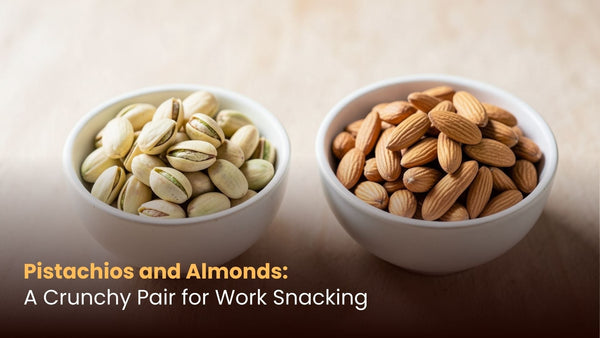
A pistachio-fig snack bowl is one of the easiest ways to enjoy this high-fiber mix. Simply combine a handful of roasted or raw pistachios with chopped dried figs in a small bowl. This makes a convenient snack for busy days, office breaks, or travel. The mix offers a balance of crunch and natural sweetness while providing fiber, healthy fats, and steady energy. It can be prepared in advance and stored in airtight containers for quick access.
Yogurt topping
Sprinkling pistachios and figs over curd or yogurt adds both texture and nutrition. The fiber from figs acts as a prebiotic, supporting gut bacteria, while the protein and fats from pistachios improve satiety. This combination turns plain yogurt into a more filling meal or snack and works well for breakfast or mid-day hunger. For extra flavor, a pinch of cinnamon or crushed seeds can be added.
Breakfast oats
Adding chopped figs and pistachios to warm oats or millet porridge enhances both taste and nutritional value. The fiber helps keep you full through the morning, while the natural sugars from figs provide gentle energy. Pistachios add crunch and healthy fats that slow digestion, preventing energy crashes. This option is ideal for people looking for a wholesome, fiber-rich start to the day.
Salad enhancer
Pistachios and figs work surprisingly well in salads. Toss the mix into leafy greens with olive oil, lemon juice, and a pinch of seasoning. The pistachios add crunch and protein, while figs balance the flavors with mild sweetness. This makes salads more satisfying and nutrient-dense, helping increase fiber intake without relying on heavy dressings or processed toppings.
Energy bites
Energy bites are a convenient way to enjoy pistachios and figs in a portable form. Blend pistachios, figs, oats, and a few dates into a thick mixture, then roll into small balls. These no-bake bites are easy to store and work well as pre-workout snacks, travel food, or healthy treats for children. They provide fiber, sustained energy, and natural sweetness without refined sugar.
Daily Intake Guidelines for Optimal Results
A balanced daily portion is around 20–25 pistachios and 1–2 dried figs. This amount provides sufficient fibre and nutrients without excess calories. Active individuals may consume slightly more, while those managing weight or blood sugar should stick to smaller portions. Eating this mix earlier in the day helps support digestion and energy levels.
Potential Risks and Precautions
Pistachios and figs are nutritious foods, but like any calorie-dense ingredients, they need to be consumed mindfully. Eating large quantities can lead to bloating, gas, or a feeling of heaviness, especially for people who are not used to a high-fiber diet. The natural fiber in both foods is beneficial, but sudden overconsumption may strain digestion and cause temporary discomfort.
People with nut allergies should avoid pistachios completely, as even small amounts can trigger allergic reactions. Those with a known sensitivity should always check ingredient labels when buying mixed products. Figs, while natural, contain concentrated sugars, so individuals with diabetes or insulin resistance should limit their intake and pair figs with pistachios to slow sugar absorption.
Salted, flavored, or coated pistachios often contain excess sodium, sugars, or oils that reduce nutritional value and may negatively impact blood pressure and heart health. Plain, raw, or lightly roasted pistachios are a better choice. Selecting fresh, high-quality ingredients and sticking to recommended portions ensures the health benefits of pistachios and figs without unwanted side effects.
Conclusion
Pistachios and figs form a simple yet powerful high-fiber nut mix that supports digestion, heart health, weight management, and daily energy needs. Their complementary nutrients make them easy to include in snacks, meals, and healthy recipes. Choosing premium-quality pistachios and figs from trusted brands like Krishival ensures better taste, freshness, and nutritional value. With mindful portions and regular use, this nut mix can become a reliable part of a balanced, fiber-rich diet.
FAQs
Q1. Are pistachios and figs a good source of dietary fiber?
Yes, pistachios and figs together form an excellent natural source of dietary fiber. Pistachios are among the highest-fiber nuts, providing insoluble fiber that adds bulk to stool and supports smooth bowel movement. Figs are rich in soluble fiber, which absorbs water in the gut, softens stool, and feeds beneficial gut bacteria. When combined, they deliver both types of fiber, supporting overall digestive health, gut balance, and regularity more effectively than many single foods.
Q2. How much pistachios and figs should I eat daily?
For most adults, a daily portion of around 20–25 pistachios and 1–2 dried figs is ideal. This quantity provides enough fiber, healthy fats, and nutrients to support digestion and energy without adding unnecessary calories. People with higher activity levels may tolerate slightly larger portions, while those managing weight or blood sugar should stay closer to the lower end of this range. Consistency matters more than quantity for long-term benefits.
Q3. Is this mix good for constipation?
Yes, this mix is particularly helpful for relieving and preventing constipation. The insoluble fiber from pistachios helps move waste through the digestive tract, while the soluble fiber in figs softens stool and makes it easier to pass. Regular intake supports smoother bowel movements and reduces bloating or discomfort. For best results, figs can be soaked overnight to make them easier to digest, especially for people with sensitive stomachs.
Q4. Can diabetics eat pistachios and figs?
Diabetics can safely include pistachios in their diet, as they are low in carbohydrates and help improve insulin sensitivity. Figs, however, contain natural sugars and should be eaten in moderation. Pairing figs with pistachios is beneficial because the healthy fats and fiber in pistachios slow down sugar absorption, reducing the risk of blood sugar spikes. Diabetics should limit figs to one piece at a time and monitor blood glucose levels.
Q5. Does this nut mix help with weight loss?
Yes, when eaten in controlled portions, pistachios and figs can support weight management. The fiber and protein help increase satiety, keeping you full for longer and reducing unnecessary snacking. Figs also satisfy sweet cravings naturally, making it easier to avoid refined sugary foods. While both are calorie-dense, mindful portions help regulate appetite and support sustainable weight control rather than rapid weight gain.
Q6. Are roasted pistachios okay for this mix?
Lightly roasted pistachios are perfectly fine and often enhance flavor and crunch. However, heavily roasted, salted, or flavored pistachios should be avoided because added sodium, oils, and seasonings reduce health benefits and may cause water retention or digestive discomfort. Plain, dry-roasted or raw pistachios are the best choice for maintaining fiber and nutrient quality.
Q7. Can children eat pistachios and figs?
Yes, children can eat pistachios and figs safely when given in age-appropriate portions. For younger children, pistachios should be shelled and finely chopped or crushed to prevent choking. Figs should also be cut into small pieces or soaked to soften them. This combination can support digestion, energy, and overall nutrition in children when included as part of a balanced diet.
Q8. What is the best time to eat this nut mix?
The best time to eat pistachios and figs is in the morning or mid-day. Consuming them earlier helps support digestion, provides steady energy, and prevents heaviness later in the day. They also work well as a mid-morning or afternoon snack. Eating them late at night is not harmful, but morning consumption usually offers better digestive and metabolic benefits.
Q9. Do pistachios and figs support heart health?
Yes, this nut mix supports heart health in several ways. Pistachios contain healthy fats that help lower LDL cholesterol and improve blood vessel function. They are also rich in potassium, which helps regulate blood pressure. Figs contribute fiber and antioxidants that reduce cholesterol absorption and oxidative stress. Together, they help support healthy circulation and reduce inflammation linked to heart disease.
Q10. How long does it take to see digestive benefits?
Most people notice improvements in digestion, such as better bowel regularity and reduced bloating, within 1–2 weeks of consistent intake. Long-term benefits like improved gut health and nutrient absorption become more noticeable over several weeks when combined with adequate water intake and a balanced diet. Regular consumption is key to sustaining these digestive improvements.






Share Your Thoughts