

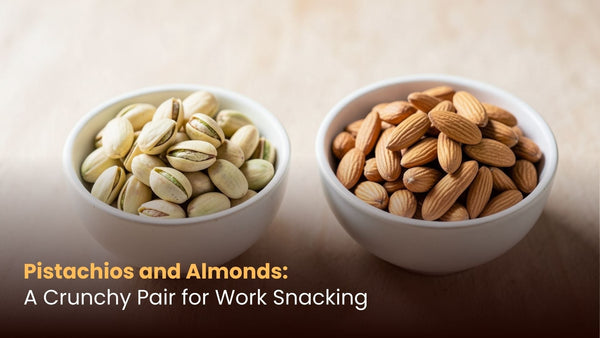
Pistachios and Almonds: A Perfect Combo for Stronger Teeth
Pistachios and almonds are natural allies for stronger teeth. Eating pistachios helps stimulate saliva production, which cleans teeth and protects enamel. Almonds are rich in calcium and magnesium, essential minerals that strengthen teeth and support healthy gums. By including pistachios and almonds in your daily diet, you can naturally protect your teeth, reduce the risk of cavities, and maintain overall oral health while enjoying a nutritious snack.
Table of Contents
- Introduction
- Nutritional Profile of Pistachios and Almonds
- Why Oral Health Needs Special Nutrition
- Role of Pistachios in Strengthening Teeth
- Role of Almonds in Strengthening Teeth
- Combined Benefits of Pistachios and Almonds for Dental Health
- How This Combo Supports Enamel and Gum Strength
- Best Ways to Consume Pistachios and Almonds for Dental Benefits
- Morning vs Evening: Best Time to Have the Combo
- Recommended Daily Quantity
- Precautions and Considerations
- Other Health Benefits Beyond Dental Support
- Conclusion
- FAQs
Nutritional Profile of Pistachios and Almonds
Pistachios are rich in protein, fiber, vitamin B6, and antioxidants, which help in maintaining healthy teeth and gums. Almonds, on the other hand, are high in calcium, phosphorus, magnesium, and vitamin E. Together, they provide a complete profile of nutrients that strengthen enamel, enhance bone density in the jaw, and protect against oral infections.
Why Oral Health Needs Special Nutrition
Teeth and gums require more than just regular brushing and flossing to remain healthy. While good oral hygiene is important, the foundation of strong teeth lies in proper nutrition. Minerals like calcium, phosphorus, and magnesium are critical for the development and maintenance of tooth enamel, the hard outer layer that protects teeth from decay and sensitivity. Without adequate intake of these minerals, enamel can weaken over time, making teeth more prone to cavities and damage.
Antioxidants found in foods help protect gums from inflammation caused by harmful bacteria and free radicals. Chronic inflammation can lead to gum diseases such as gingivitis or periodontitis, which not only affect oral health but can also impact overall well-being. Protein plays a key role as well, supporting the structure of connective tissues in the gums and jawbone. Collagen, a protein present in connective tissues, ensures that gums remain firm and resilient, providing proper support for teeth.
A diet lacking these essential nutrients can have cumulative negative effects. Weak enamel, inflamed gums, and reduced saliva production increase the likelihood of plaque buildup, tooth decay, and gum disease. Over time, this can lead to tooth sensitivity, discomfort while eating, and even tooth loss in severe cases. Therefore, a balanced diet rich in minerals, proteins, and antioxidants is vital to maintain not only strong teeth but also healthy gums, supporting overall oral hygiene and long-term dental wellness.
Role of Pistachios in Strengthening Teeth
Pistachios are more than just a crunchy snack—they play an active role in supporting oral health. One of their key benefits is stimulating saliva production, which helps naturally wash away food particles and neutralise acids in the mouth. This reduces plaque buildup and lowers the risk of cavities. The act of chewing pistachios also provides a gentle massage to the gums, improving blood circulation and maintaining gum strength. Additionally, pistachios are rich in phosphorus, a mineral essential for strengthening tooth enamel. Strong enamel protects teeth from decay, sensitivity, and erosion caused by acidic foods and drinks. Regularly including pistachios in your diet can therefore create a natural barrier for your teeth while promoting healthier gums and fresher breath.
Role of Almonds in Strengthening Teeth
Almonds are packed with nutrients that are vital for maintaining strong and healthy teeth. They are an excellent source of calcium and magnesium, both of which are necessary for the development and maintenance of dental enamel and overall bone health. Chewing almonds encourages saliva flow, which helps neutralize harmful acids in the mouth that can erode enamel and cause cavities. This simple act of chewing also strengthens jaw muscles. Beyond minerals, almonds contain vitamin E, an antioxidant that supports gum health by reducing inflammation and protecting the tissues around teeth. Eating almonds regularly as part of a balanced diet provides a holistic approach to oral care, offering protection for teeth, support for gums, and contributing to overall oral hygiene.
Combined Benefits of Pistachios and Almonds for Dental Health
Together, pistachios and almonds provide a powerful combination of nutrients that complement each other in promoting dental health. Pistachios help stimulate saliva production, which naturally washes away food particles and neutralizes acids in the mouth, reducing plaque buildup and the risk of cavities. They are also rich in phosphorus, a mineral that works hand-in-hand with calcium to strengthen tooth enamel and maintain overall tooth integrity. Almonds, on the other hand, are packed with calcium and magnesium, essential for keeping teeth hard and resilient against decay. When eaten together, these nuts form a comprehensive support system for oral health—protecting enamel, strengthening gums, and improving jaw stability. This combination also enhances bite strength, supports chewing efficiency, and contributes to overall oral hygiene by keeping the mouth cleaner naturally. Over time, regular consumption of pistachios and almonds can help reduce dental problems, support healthy teeth alignment, and maintain a strong foundation for long-term oral health.
How This Combo Supports Enamel and Gum Strength
The enamel, the outermost layer of teeth, is the first line of defense against cavities, erosion, and sensitivity. Pistachios and almonds both supply essential minerals—phosphorus from pistachios and calcium and magnesium from almonds—that are critical for maintaining enamel density and repairing microscopic enamel wear. In addition to strengthening enamel, chewing these nuts increases blood circulation in the gums, promoting oxygen and nutrient delivery to the gum tissues. This helps reduce inflammation, prevent gum recession, and support overall gum resilience. The anti-inflammatory properties and antioxidants present in both nuts protect gum tissues from oxidative stress and bacterial damage. Regular inclusion of pistachios and almonds in the diet not only helps prevent common dental issues like sensitivity and bleeding gums but also enhances the mouth’s natural defences against harmful bacteria, creating an environment that supports long-term dental health. By consistently providing these nutrients, this combo ensures that both enamel and gums remain strong, healthy, and resistant to daily wear and tear.
Best Ways to Consume Pistachios and Almonds for Dental Benefits
Eating raw or lightly roasted pistachios and almonds is the most effective way to gain their dental benefits. Raw nuts preserve all essential minerals and vitamins that strengthen teeth and support gum health. Lightly roasting them can enhance flavour while still retaining most of their nutrients, making them a convenient snack option.
You can enjoy these nuts on their own as a mid-morning or afternoon snack, which also helps in reducing cravings for sugary foods that can harm your teeth. Another way to include them is by adding chopped almonds and pistachios to salads, yogurt, or oatmeal, which not only enhances the taste but also provides a slow release of nutrients throughout the day. Incorporating them into smoothies or protein shakes is another convenient option, especially for those who prefer a quick and easy way to consume their daily portion.
It is important to avoid heavily salted, sugar-coated, or chocolate-covered varieties, as the added salt and sugar can counteract the oral health benefits and contribute to tooth decay. Chewing the nuts slowly is equally important because it allows the minerals and natural compounds in the nuts to interact with your teeth and gums. This slow chewing also stimulates saliva production, which helps neutralise acids in the mouth, wash away food particles, and naturally strengthen enamel and gum tissues.
Morning vs Evening: Best Time to Have the Combo
Consuming this nut combo in the morning provides energy and kickstarts saliva production, helping cleanse the mouth throughout the day. Evening consumption after meals can aid digestion and maintain oral hygiene overnight. Both timings offer benefits, but consistency matters more than the exact hour.
Recommended Daily Quantity
A handful of almonds (6–8) and pistachios (10–12) daily is sufficient to gain dental benefits without excessive calorie intake. This moderate portion supports teeth and gums while contributing to overall nutrition and satiety.
Precautions and Considerations
People with nut allergies must avoid pistachios and almonds entirely, as even a small amount can trigger serious allergic reactions, including swelling, rashes, or difficulty breathing. For individuals who are monitoring their calorie intake or following a strict weight management plan, it is important to consume these nuts in moderation. While they are highly nutritious, both pistachios and almonds are calorie-dense, and excessive consumption can contribute to unwanted weight gain. It is also advisable to avoid salted, sugar-coated, or heavily roasted varieties, as added salt and sugar can counteract the dental benefits, promote plaque formation, and increase the risk of cavities. Choosing raw or lightly roasted nuts ensures that you receive the maximum benefits for enamel strength and gum health. Additionally, pistachios and almonds should be consumed as part of a balanced diet that includes a variety of other nutrient-rich foods to support overall health, digestion, and effective nutrient absorption. For children or older adults, supervise portion sizes to prevent choking hazards and ensure that the nuts are chewed thoroughly to gain the full oral health benefits.
Other Health Benefits Beyond Dental Support
Apart from supporting oral health, pistachios and almonds offer a wide range of benefits for overall wellness. Consuming these nuts regularly can improve heart health by helping to lower bad cholesterol (LDL) levels and maintaining healthy blood pressure, thanks to their healthy fats and antioxidant content. They also aid digestion because their high fiber content supports regular bowel movements and promotes a healthy gut microbiome.
For those managing weight, pistachios and almonds act as satisfying snacks that curb hunger due to their protein and fiber content, helping to prevent overeating during meals. The antioxidants in these nuts, including vitamin E and polyphenols, combat oxidative stress and inflammation, reducing the risk of chronic diseases and supporting overall cellular health.
Their nutrient-dense profile also plays a role in boosting immunity by providing essential vitamins and minerals that strengthen the body’s natural defenses. Skin health benefits from vitamin E and other antioxidants in almonds, which help protect the skin from premature aging and maintain a healthy glow. In addition, the combination of protein, healthy fats, and micronutrients in pistachios and almonds provides sustained energy throughout the day, making them an ideal snack for busy lifestyles or for those needing a natural energy boost without resorting to sugary foods.
Conclusion
Incorporating pistachios and almonds into your daily routine can naturally strengthen teeth, support gum health, and enhance overall wellness. For high-quality and fresh nuts, Krishival offers a range of premium pistachios and almonds that are perfect for daily consumption. Enjoying this combo regularly ensures that your teeth stay strong while reaping the broader health benefits these nuts provide.
FAQs
Q1. How do pistachios and almonds help strengthen teeth naturally?
They provide essential minerals like calcium, phosphorus, and magnesium, stimulate saliva, and reduce acidity in the mouth, which collectively protect enamel and support gum health.
Q2. Can I eat pistachios and almonds daily for oral health?
Yes, a handful of each daily is sufficient to gain dental benefits while providing additional nutrition and energy.
Q3. What is the best time to eat almonds and pistachios for stronger teeth?
Morning consumption boosts saliva and provides energy, while evening consumption supports digestion and maintains oral hygiene overnight.
Q4. Do roasted pistachios and almonds provide the same dental benefits?
Lightly roasted nuts retain most of their minerals and benefits, but avoid heavily roasted, salted, or sugar-coated versions, which can reduce their effectiveness.
Q5. How many pistachios and almonds should I eat per day?
A recommended portion is 6–8 almonds and 10–12 pistachios daily to maintain dental health without excessive calories.
Q6. Can children eat this combo for better dental strength?
Yes, but ensure they chew properly and start with smaller portions to prevent choking hazards. Raw or lightly roasted nuts are best.
Q7. Are there any side effects of eating pistachios and almonds together?
For most people, no. However, individuals with nut allergies or digestive issues should avoid or limit consumption.
Q8. Does this combo help with gum health as well as teeth?
Yes, the combination stimulates gums through chewing, improves blood circulation, and provides anti-inflammatory nutrients that promote healthy gums.
Q9. Should I soak almonds before eating them for dental benefits?
Soaking almonds makes them easier to chew and digest, but it does not significantly change their mineral content. Both soaked and raw almonds support dental health.
Q10. Can this combo replace the need for calcium supplements for teeth?
While beneficial, this combo complements but does not entirely replace calcium supplements if prescribed for medical reasons. It should be part of a balanced diet with other calcium sources.









Share Your Thoughts