

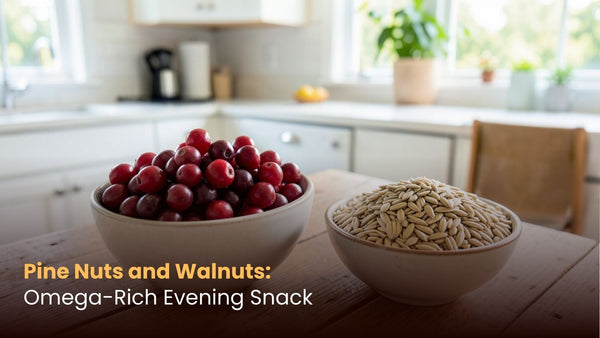
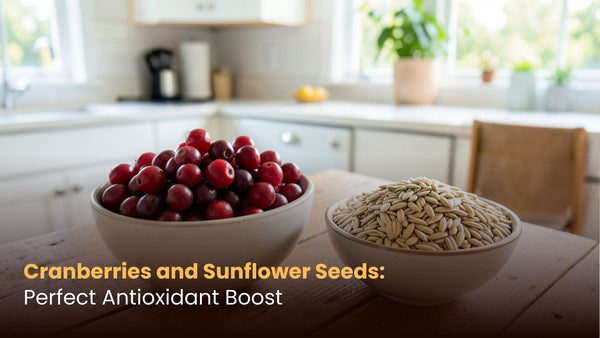
Pine nuts and dried cranberries are two powerhouse ingredients that not only enhance the flavor of your meals but also provide numerous heart health benefits. Pine nuts, with their rich content of healthy fats, protein, and antioxidants, are known for supporting cardiovascular health by improving cholesterol levels and regulating blood pressure. On the other hand, dried cranberries are packed with antioxidants, fiber, and vitamins that help protect the heart from oxidative damage and inflammation. When paired together, these two nutrient-rich foods create a combination that promotes heart health in multiple ways. In this blog, we’ll explore the heart health benefits of pine nuts and dried cranberries, how they work together, and ways to incorporate them into your diet for optimal wellness.
Table of Contents
- Introduction
- Nutritional Benefits of Pine Nuts for Heart Health
- Nutritional Benefits of Dried Cranberries for Heart Health
- How Pine Nuts and Dried Cranberries Work Together to Promote Heart Health
- Antioxidant Properties of Pine Nuts and Dried Cranberries
- Role of Fiber in Heart Health: The Power of Pine Nuts and Dried Cranberries
- How to Incorporate Pine Nuts and Dried Cranberries into Your Diet
- Potential Side Effects and Considerations
- Conclusion
- Frequently Asked Questions (FAQs)
Nutritional Benefits of Pine Nuts for Heart Health
Pine nuts are often celebrated for their healthy fat content, particularly monounsaturated fats, which are known to help reduce levels of LDL (bad) cholesterol and increase HDL (good) cholesterol. This balance is vital for maintaining a healthy cardiovascular system and reducing the risk of heart disease.
Pine nuts also contain significant amounts of magnesium, an essential mineral for regulating blood pressure and supporting the proper functioning of the heart. Furthermore, pine nuts are a source of vitamin E, an antioxidant that protects the arteries from oxidative stress and reduces inflammation, both of which are key contributors to heart disease.
In addition to these heart-healthy fats and minerals, pine nuts also provide protein, which supports tissue repair and overall heart function. The combination of healthy fats, antioxidants, and protein makes pine nuts an excellent addition to any heart-healthy diet.
Nutritional Benefits of Dried Cranberries for Heart Health
Dried cranberries, while small, pack a punch when it comes to heart health. These tart berries are loaded with antioxidants, particularly flavonoids and polyphenols, which help protect the heart from oxidative damage. The antioxidants in dried cranberries can help reduce inflammation and lower the risk of heart disease.
Additionally, dried cranberries are a great source of fiber, particularly soluble fiber, which helps reduce cholesterol levels by binding to cholesterol in the digestive system and promoting its excretion. This can help lower overall cholesterol levels, improving heart health.
Cranberries are also rich in vitamin C, which supports the immune system and helps in the maintenance of healthy blood vessels. Regular consumption of dried cranberries can help maintain cardiovascular health, improve blood circulation, and reduce the risk of arterial damage.
How Pine Nuts and Dried Cranberries Work Together to Promote Heart Health
When combined, pine nuts and dried cranberries create a synergistic effect that can significantly benefit heart health. The monounsaturated fats in pine nuts, when paired with the antioxidants and fiber in dried cranberries, create a powerful combination that supports heart function in multiple ways.
Pine nuts help reduce harmful cholesterol levels, while cranberries work to lower the oxidative stress on the heart. The fiber in both pine nuts and cranberries aids in cholesterol reduction and helps maintain healthy blood pressure. Together, these two foods help create a balanced environment for optimal cardiovascular function.
Moreover, the magnesium in pine nuts supports the relaxation of blood vessels, while the vitamin C in cranberries helps to keep blood vessels healthy and reduce the risk of plaque buildup. This combination of nutrients helps improve overall heart health by enhancing circulation, reducing inflammation, and supporting healthy cholesterol levels.
Antioxidant Properties of Pine Nuts and Dried Cranberries
Both pine nuts and dried cranberries are rich in antioxidants, which play a crucial role in protecting the heart from oxidative stress and inflammation. Oxidative stress is caused by an excess of free radicals in the body, which can damage cells and tissues, including those in the cardiovascular system. Antioxidants neutralize these free radicals, helping to prevent cell damage.
Pine nuts contain vitamin E and polyphenols, both powerful antioxidants that protect the arteries from damage and reduce inflammation. Similarly, dried cranberries are packed with flavonoids and proanthocyanidins, antioxidants that help protect the heart and blood vessels from oxidative damage and inflammation.
Together, these antioxidants can help reduce the risk of heart disease by improving the overall health of the cardiovascular system, lowering cholesterol, and preventing plaque buildup in the arteries.
Role of Fiber in Heart Health: The Power of Pine Nuts and Dried Cranberries
Both pine nuts and dried cranberries are excellent sources of dietary fiber, which is essential for maintaining a healthy heart. Soluble fiber, which is found in significant amounts in cranberries, helps lower cholesterol levels by binding to cholesterol in the digestive tract and preventing its absorption. This helps reduce overall cholesterol levels and lowers the risk of atherosclerosis (plaque buildup in the arteries), which can lead to heart disease.
Pine nuts, while lower in fiber than cranberries, still contribute to a heart-healthy diet with their insoluble fiber, which supports healthy digestion and regular bowel movements. The combination of soluble and insoluble fiber from both pine nuts and dried cranberries works to improve heart health by reducing cholesterol, promoting healthy digestion, and regulating blood sugar levels.
How to Incorporate Pine Nuts and Dried Cranberries into Your Diet
Incorporating pine nuts and dried cranberries into your diet is easy and can be done in various delicious ways. Here are some ideas:
-
Salads: Add pine nuts and dried cranberries to mixed green salads for extra crunch and flavor.
-
Snacks: Enjoy a handful of pine nuts and dried cranberries as a heart-healthy snack.
-
Smoothies: Blend pine nuts and dried cranberries into smoothies for added nutrients and natural sweetness.
-
Baked Goods: Incorporate both pine nuts and dried cranberries into muffins, bread, or cookies for a heart-healthy treat.
-
Yogurt: Top your yogurt with pine nuts and dried cranberries for a nutrient-packed breakfast or snack.
These foods not only enhance the flavor of your meals but also provide you with essential nutrients that promote heart health.
Potential Side Effects and Considerations
While pine nuts and dried cranberries offer numerous health benefits, it’s important to be mindful of a few considerations:
-
Calorie Content: Both pine nuts and dried cranberries are calorie-dense foods. While they are packed with nutrients, it’s essential to consume them in moderation to avoid overeating and excess calorie intake, especially if you're watching your weight.
-
Sugar Content: Dried cranberries can sometimes be sweetened with added sugars. It's best to choose unsweetened dried cranberries to avoid unnecessary sugar consumption.
-
Allergies: Pine nuts are part of the tree nut family, so individuals with nut allergies should avoid them.
- Portion Control: Since pine nuts are calorie-dense, it’s best to consume them in appropriate portion sizes to avoid excessive calorie intake.
Conclusion
Pine nuts and dried cranberries are a perfect duo for promoting heart health. Both are packed with essential nutrients such as healthy fats, antioxidants, fiber, and vitamins that contribute to overall cardiovascular wellness. Pine nuts help lower LDL (bad) cholesterol and support healthy blood pressure, while dried cranberries provide powerful antioxidants that protect the heart from oxidative stress and inflammation. Together, these two superfoods work synergistically to support heart function, prevent heart disease, and promote overall well-being. If you're looking to add a heart-healthy snack to your diet, pairing pine nuts and dried cranberries is a delicious and easy way to nourish your body. For the freshest, most nutritious pine nuts and dried cranberries, Krishival offers premium-quality products that help support your heart health and wellness goals.
Frequently Asked Questions (FAQs)
-
How do pine nuts support heart health?
Pine nuts are rich in monounsaturated fats, which help reduce LDL (bad) cholesterol levels while raising HDL (good) cholesterol levels. They also contain magnesium, which helps regulate blood pressure and maintain healthy blood vessel function, reducing the risk of heart disease.
-
What are the health benefits of dried cranberries?
Dried cranberries are packed with antioxidants such as flavonoids and polyphenols that protect the heart from oxidative damage. The fiber in cranberries also helps lower cholesterol levels, while the vitamin C content boosts the immune system and helps maintain healthy blood vessels.
-
Can pine nuts lower cholesterol?
Yes, the monounsaturated fats in pine nuts have been shown to help lower LDL (bad) cholesterol levels while increasing HDL (good) cholesterol. This helps to maintain a healthy balance of cholesterol, which is key for preventing heart disease.
-
Are dried cranberries good for controlling blood pressure?
Yes, dried cranberries contain fiber and antioxidants that help support healthy blood pressure by improving blood vessel function and reducing inflammation. Their role in maintaining cardiovascular health makes them a great addition to any diet aimed at controlling blood pressure.
-
How can I use pine nuts and dried cranberries in my meals?
Pine nuts and dried cranberries are versatile and can be added to a variety of dishes. You can sprinkle them over salads, blend them into smoothies, mix them into baked goods, or use them as a topping for yogurt or cereal. They also make a great snack on their own or as part of a homemade trail mix.
-
Is there a recommended daily intake of pine nuts and dried cranberries for heart health?
A healthy serving size is about 1 ounce (28g) of pine nuts, which is roughly a small handful, along with a small handful of dried cranberries. Consuming these in moderation can provide the heart-healthy benefits without overconsumption of calories or sugars.
-
Are pine nuts and dried cranberries beneficial for weight management?
Yes, both pine nuts and dried cranberries are rich in fiber, which helps with satiety and reduces hunger, making them great for weight management. The healthy fats in pine nuts also promote a feeling of fullness, preventing overeating. Just be mindful of portion sizes to avoid excessive calorie intake.
-
Can people with diabetes consume dried cranberries and pine nuts?
Yes, both foods have a low glycemic index, making them suitable for people with diabetes. However, it’s important to choose unsweetened dried cranberries to avoid added sugars. When consumed in moderation, these foods can help regulate blood sugar levels and support overall metabolic health.
-
What antioxidants are found in pine nuts and dried cranberries?
Pine nuts are rich in vitamin E and polyphenols, which protect the heart and blood vessels from oxidative damage. Dried cranberries contain flavonoids and proanthocyanidins, which have powerful antioxidant properties that help reduce inflammation and protect the cardiovascular system.
-
Are there any risks associated with consuming too many dried cranberries or pine nuts?
While pine nuts and dried cranberries are highly nutritious, consuming them in excess can lead to overeating, which can increase calorie intake. Pine nuts are calorie-dense, so it’s important to stick to the recommended serving size. Dried cranberries may contain added sugars, which should be limited to avoid extra calories. Always consume these foods in moderation as part of a balanced diet.

Share Your Thoughts