

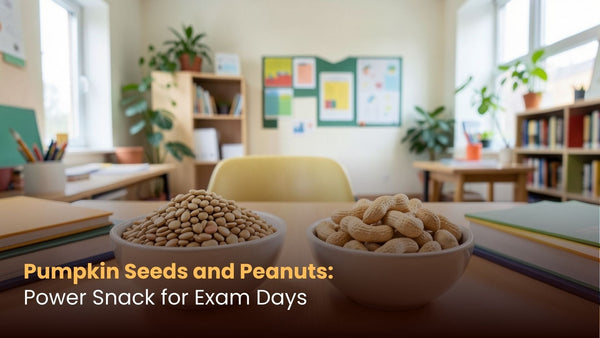
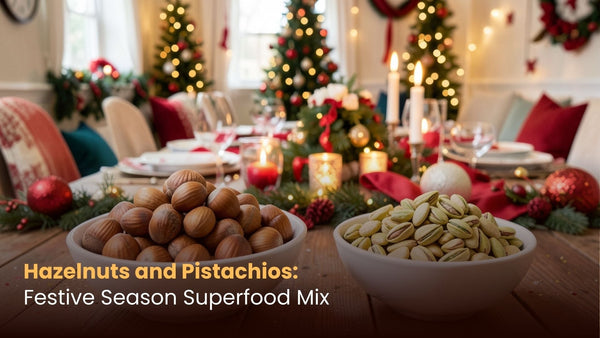
Hazelnuts and pumpkin seeds make a nutrient packed combo that delivers powerful health benefits in a simple, natural way. Hazelnuts provide healthy monounsaturated fats, vitamin E, and antioxidants that support heart health and protect cells from daily damage. Pumpkin seeds add plant-based protein, zinc, magnesium, and iron, which are essential for immunity, energy production, and muscle function. Together, hazelnuts and pumpkin seeds offer a balanced mix of fats, protein, fiber, and minerals that support overall wellness. This easy-to-add combination fits into daily meals, snacks, and active lifestyles without relying on processed foods.
Table of Contents
- Introduction
- Why Hazelnuts and Pumpkin Seeds Form a Nutrient Packed Combo
- Nutritional Profile of Hazelnuts and Pumpkin Seeds
- Health Benefits of the Hazelnuts and Pumpkin Seeds Nutrient Packed Combo
- How Hazelnuts and Pumpkin Seeds Work Together Synergistically
- Delicious Recipes Featuring the Hazelnuts and Pumpkin Seeds Nutrient Packed Combo
- Daily Intake Tips for Hazelnuts and Pumpkin Seeds
- Potential Risks and Precautions
- Case Studies on Hazelnuts and Pumpkin Seeds Consumption
- Comparison Table: Hazelnuts and Pumpkin Seeds vs Other Nuts and Seeds
- Conclusion
- FAQs
Why Hazelnuts and Pumpkin Seeds Form a Nutrient Packed Combo
Hazelnuts and pumpkin seeds complement each other exceptionally well because they deliver different but equally important nutrients in one simple pairing. Hazelnuts provide healthy monounsaturated fats, vitamin E, and antioxidants that support heart health and cellular protection. Pumpkin seeds add plant-based protein, zinc, magnesium, and iron, which are essential for immunity, energy production, and muscle function. Hazelnuts and pumpkin seeds together create a nutrient-dense combination that supports daily wellness, making them ideal for snacking, meal additions, or dietary upgrades without relying on processed foods.
Nutritional Profile of Hazelnuts and Pumpkin Seeds
Hazelnuts are rich in healthy fats, particularly oleic acid, which supports cardiovascular health. They also contain vitamin E, folate, copper, manganese, and powerful polyphenols that protect cells from oxidative stress. Pumpkin seeds are known for their high content of protein, magnesium, zinc, iron, phosphorus, and dietary fiber. They also contain antioxidants and beneficial plant compounds that support metabolic and immune health. When combined, hazelnuts and pumpkin seeds provide fats, protein, fiber, vitamins, and minerals in a well-balanced ratio.
Health Benefits of the Hazelnuts and Pumpkin Seeds Nutrient Packed Combo
This combination supports heart health by improving cholesterol balance and reducing inflammation through healthy fats and antioxidants. The zinc and magnesium in pumpkin seeds strengthen immunity and support nerve and muscle function, while hazelnuts help protect blood vessels and support brain health. The fiber content supports digestion and gut health, and the protein-fat balance promotes satiety, helping manage hunger and cravings. Regular intake also supports skin health, hormone balance, and sustained energy levels throughout the day.
How Hazelnuts and Pumpkin Seeds Work Together Synergistically
Hazelnuts and pumpkin seeds work synergistically by covering multiple nutritional needs at once. The healthy fats in hazelnuts enhance the absorption of fat-soluble vitamins found in both foods.Pumpkin seeds provide minerals that support the body’s use of these fats for energy and cellular repair. Together, they stabilise blood sugar levels, reduce oxidative stress, and support overall metabolic efficiency. This synergy makes the combination more effective than consuming either ingredient alone.
Delicious Recipes Featuring the Hazelnuts and Pumpkin Seeds Nutrient Packed Combo
This duo can be enjoyed in many simple ways. A basic trail mix with hazelnuts, pumpkin seeds, and dried fruit works well for daily snacking. They can be sprinkled over salads, soups, or grain bowls for added crunch and nutrition. Blending them into energy balls with dates or oats creates a convenient snack. Chopped hazelnuts and pumpkin seeds also work well as toppings for yogurt, smoothies, or roasted vegetables.
Daily Intake Tips for Hazelnuts and Pumpkin Seeds
A practical daily intake of hazelnuts and pumpkin seeds focuses on moderation and consistency rather than large portions. Consuming around 15–20 hazelnuts along with 1–2 tablespoons of pumpkin seeds provides a balanced supply of healthy fats, protein, fiber, vitamins, and minerals without adding unnecessary calories. This portion supports energy levels, digestion, and satiety while fitting comfortably into most diets.
These foods can be enjoyed in flexible ways throughout the day. They work well as a standalone snack between meals, helping control hunger and prevent unhealthy snacking. They can also be spread across meals by adding a few hazelnuts to breakfast bowls, salads, or smoothies, and sprinkling pumpkin seeds over yogurt, soups, or vegetables. Distributing intake helps with digestion and steady nutrient absorption.
Consistency plays a bigger role than quantity in achieving long-term benefits. Regular moderate intake supports heart health, immunity, and overall wellness more effectively than consuming large amounts occasionally. Over time, this steady approach helps the body make better use of nutrients while avoiding digestive discomfort or calorie overload.
Potential Risks and Precautions
While hazelnuts and pumpkin seeds offer many nutritional benefits, it is important to be mindful of certain risks and precautions. People with tree nut allergies should completely avoid hazelnuts, as even small amounts can trigger allergic reactions ranging from mild discomfort to severe symptoms. In such cases, pumpkin seeds alone may be a safer option, but only after confirming individual tolerance.
Pumpkin seeds are generally well tolerated, but their high fiber content can cause digestive discomfort such as bloating, gas, or stomach heaviness if eaten in large quantities. Introducing them gradually and sticking to moderate portions helps the digestive system adjust comfortably. Similarly, hazelnuts are calorie-dense due to their healthy fat content, and overeating them regularly may lead to excess calorie intake and unintended weight gain.
Salted, sweetened, or flavoured versions of hazelnuts and pumpkin seeds should be avoided, as added sodium, sugar, and oils reduce their health benefits and may contribute to water retention or increased blood pressure. Choosing raw or lightly roasted, unsalted varieties ensures better nutrient retention and supports long-term health when this combination is consumed regularly.
Case Studies on Hazelnuts and Pumpkin Seeds Consumption
Regular consumption of hazelnuts and pumpkin seeds has shown noticeable benefits across different age groups and lifestyles. In one case, an office professional who often experienced afternoon fatigue replaced tea-time biscuits with a small portion of hazelnuts and pumpkin seeds. Within a few weeks, they reported steadier energy levels, improved concentration, and reduced dependence on caffeinated drinks during work hours. The balanced mix of healthy fats, protein, and minerals helped prevent sudden energy drops.
Another case involved a middle-aged individual dealing with irregular digestion. By adding this combination to their daily diet, either as a morning snack or mixed into meals, they noticed more consistent bowel movements and reduced bloating. The fiber content from both foods supported better gut function and digestive comfort.
A fitness enthusiast incorporated hazelnuts and pumpkin seeds into their post-workout meals. Over three months, they reported fewer seasonal colds and improved recovery, likely due to the immune-supporting minerals such as zinc and antioxidants present in pumpkin seeds and hazelnuts.
In a household setting, a homemaker replaced packaged snacks with this natural combination. They experienced better appetite control, fewer cravings for sweets, and a greater feeling of fullness between meals, making it easier to maintain healthier eating habits consistently.
Comparison Table: Hazelnuts and Pumpkin Seeds vs Other Nuts and Seeds
When compared with almonds, hazelnuts stand out for their higher content of monounsaturated fats, which are especially beneficial for heart health and cholesterol balance. Almonds are rich in protein and calcium, but hazelnuts provide a smoother fat profile that supports cardiovascular function and nutrient absorption. Pumpkin seeds complement hazelnuts by contributing significantly more zinc and magnesium than almonds, nutrients that are crucial for immunity, muscle function, and energy metabolism.
Walnuts are well known for their omega-3 fatty acids, which support brain and heart health. However, pumpkin seeds provide a higher amount of plant-based protein and key minerals, making them more supportive for muscle recovery and metabolic health. Sunflower seeds are an excellent source of vitamin E, but hazelnuts also contain vitamin E along with a stronger mix of polyphenols and antioxidants that protect cells from oxidative stress.
Taken together, hazelnuts and pumpkin seeds deliver healthy fats, protein, fiber, antioxidants, and essential minerals in a balanced way. This broader nutrient coverage makes the combination more versatile and nutritionally complete than relying on a single nut or seed alone.
Conclusion
Hazelnuts and pumpkin seeds form a powerful nutrient-packed combination that supports heart health, digestion, immunity, and sustained energy. Their balanced mix of healthy fats, protein, fiber, and minerals makes them easy to include in everyday meals. Choosing high-quality, fresh ingredients enhances these benefits, and premium brands like Krishival offer carefully sourced hazelnuts and pumpkin seeds that fit seamlessly into a clean, wholesome diet. With mindful portions, this simple combo can become a reliable part of daily nutrition.
Frequently Asked Questions
Q1. What makes hazelnuts and pumpkin seeds a nutrient packed combo?
Hazelnuts and pumpkin seeds complement each other by delivering different but equally important nutrients. Hazelnuts are rich in healthy monounsaturated fats, vitamin E, and antioxidants that protect cells and support heart health. Pumpkin seeds add high-quality plant protein, zinc, magnesium, and iron, which are essential for immunity, muscle function, and energy metabolism. When combined, they provide a well-rounded mix of fats, protein, fiber, and minerals that support overall health more effectively than consuming either one alone.
Q2. How many hazelnuts and pumpkin seeds should I eat daily for benefits?
For most people, a daily intake of about 15–20 hazelnuts along with 1–2 tablespoons of pumpkin seeds is sufficient. This portion delivers meaningful nutritional benefits without adding excessive calories. It supports energy levels, digestion, and satiety while fitting easily into a balanced diet. Consuming larger amounts occasionally is fine, but consistent moderation provides better long-term results.
Q3. Are there any allergies to watch for with hazelnuts and pumpkin seeds?
Hazelnuts are tree nuts and should be avoided entirely by individuals with nut allergies, as reactions can be serious. Pumpkin seeds are generally well tolerated, but people with seed sensitivities should introduce them slowly. If there is a history of food allergies, it is best to consult a healthcare professional before adding this combination to the diet.
Q4. Can the hazelnuts and pumpkin seeds combo help with weight loss?
Yes, this combination can support weight management when eaten in controlled portions. The protein and fiber in pumpkin seeds and the healthy fats in hazelnuts promote a feeling of fullness, which helps reduce frequent snacking and overeating. They also provide steady energy, making it easier to stick to healthy eating habits without feeling deprived.
Q5. What is the best time to eat hazelnuts and pumpkin seeds?
Hazelnuts and pumpkin seeds can be eaten at any time of the day, but they work particularly well as mid-morning or afternoon snacks. At these times, they help prevent energy crashes, control hunger, and reduce reliance on sugary or processed foods. They can also be added to breakfast bowls or eaten post-workout for nutrient replenishment.
Q6. Do hazelnuts and pumpkin seeds support heart health?
Yes, both ingredients contribute to heart health in different ways. Hazelnuts help improve cholesterol balance by increasing good cholesterol and reducing inflammation. Pumpkin seeds provide magnesium and antioxidants that support healthy blood vessels and regulate blood pressure. Together, they help protect the cardiovascular system when included as part of a balanced diet.
Q7. Are roasted hazelnuts and pumpkin seeds healthy?
Lightly roasted, unsalted hazelnuts and pumpkin seeds are healthy and often easier to digest for some people. However, heavily roasted or salted varieties should be avoided, as excessive heat can damage healthy fats and added sodium reduces their nutritional value. Raw or dry-roasted versions without additives offer the best health benefits.
Q8. Can children eat this nutrient packed combo?
Yes, children can eat hazelnuts and pumpkin seeds in small, age-appropriate portions. These foods provide essential nutrients that support growth, immunity, and brain development. For younger children, nuts and seeds should be chopped or ground to reduce choking risk, and adult supervision is important during consumption.
Q9. Is this combo suitable for vegan diets?
Absolutely. Hazelnuts and pumpkin seeds are fully plant-based and provide nutrients that are especially valuable in vegan diets, such as healthy fats, protein, zinc, magnesium, and iron. Including this combination helps improve nutrient diversity and supports overall dietary balance for people following plant-based eating patterns.
Q10. Where can I buy quality hazelnuts and pumpkin seeds?
Quality hazelnuts and pumpkin seeds are best purchased from trusted sellers that focus on freshness and minimal processing. Look for raw or unsalted varieties with no added preservatives. Premium dry fruit brands and reliable health food stores often provide better-quality options that retain their natural flavor and nutritional value.

Share Your Thoughts