

Heart health depends heavily on the quality of foods you eat every day. Among natural foods that offer strong cardiovascular benefits, hazelnuts and dates stand out as a powerful duo. They are rich in nutrients that support cholesterol balance, reduce inflammation, and promote long-term heart wellness. Understanding how these two foods work individually and together can help you make smarter choices for better heart health.
Table of Contents
- Introduction
- What Makes Hazelnuts a Heart-Friendly Superfood
- Nutritional Profile of Hazelnuts and Its Impact on Heart Health
- How Dates Support Cardiovascular Wellness Naturally
- Key Heart-Healthy Nutrients Found in Dates
- Why Combining Hazelnuts and Dates Enhances Heart Protection
- How This Combination Helps Reduce Bad Cholesterol Levels
- Impact on Blood Pressure, Inflammation, and Blood Sugar Balance
- Hazelnuts and Dates in Daily Diet: Practical Ways to Consume
- Best Time to Eat Hazelnuts and Dates for Maximum Heart Benefits
- Who Should Avoid or Limit Hazelnuts and Dates
- Conclusion
- FAQs
What Makes Hazelnuts a Heart-Friendly Superfood
Hazelnuts contain a rich mix of healthy fats, antioxidants, vitamins, and minerals that protect the heart from long-term damage. Their monounsaturated fats help maintain balanced cholesterol levels, while their antioxidants reduce oxidative stress. Hazelnuts also contain nutrients that support the blood vessels, helping them stay flexible and healthy. This combination makes hazelnuts a smart inclusion for a heart-focused diet.
Nutritional Profile of Hazelnuts and Its Impact on Heart Health
Hazelnuts have an impressive nutritional profile that directly supports heart health in multiple ways. They contain vitamin E, one of the most powerful antioxidants found in whole foods. This vitamin helps protect the arterial walls from oxidative stress, which is a key factor in plaque formation and long-term heart damage. By lowering this oxidative strain, hazelnuts contribute to better artery flexibility and improved blood circulation.
Magnesium is another important element in hazelnuts, playing a central role in maintaining a steady heartbeat. Adequate magnesium helps prevent irregular heart rhythms and supports the function of blood vessels, ensuring they can expand and contract smoothly. This mineral also assists in regulating blood pressure, which is critical for long-term cardiovascular protection.
Hazelnuts also contain copper, a mineral that supports the formation of red blood cells and helps the body use iron effectively. Healthy red blood cell function improves oxygen delivery throughout the body, reducing the load on the heart and improving overall circulation.
The healthy fats in hazelnuts, particularly monounsaturated fats, help manage cholesterol levels. These fats support higher HDL cholesterol and lower LDL cholesterol, which helps prevent blockages in arteries and reduces the risk of heart-related complications. Unlike saturated fats, monounsaturated fats are known to promote better lipid balance and healthier cardiovascular function.
In addition to these nutrients, hazelnuts are rich in antioxidants like polyphenols, which help lower inflammation. Chronic inflammation plays a major role in the development of heart disease by damaging blood vessels over time. The antioxidants in hazelnuts help counter this damage, offering long-term protection for the cardiovascular system.
Altogether, the combination of vitamin E, magnesium, copper, healthy fats, and antioxidants found naturally in hazelnuts makes them a strong ally for heart wellness. Regular consumption can contribute to clearer arteries, better blood flow, stable heart rhythm, and reduced inflammation, all of which are essential for maintaining a healthy heart.
How Dates Support Cardiovascular Wellness Naturally
Dates naturally help the heart through their rich fiber content and antioxidant properties. Their fiber supports healthy cholesterol levels by lowering LDL and preventing plaque buildup. Dates also contain beneficial compounds that fight free radicals and protect heart tissues from oxidative stress. Their natural sugars provide sustained energy without causing sudden spikes, making them suitable for maintaining steady cardiac rhythm.
Key Heart-Healthy Nutrients Found in Dates
Dates are rich in potassium, magnesium, antioxidants, and dietary fiber. Potassium helps maintain optimal blood pressure levels by balancing sodium in the body. Magnesium supports normal heart rhythm and muscle function. Antioxidants found in dates, like flavonoids and carotenoids, help reduce inflammation that can damage heart vessels. The fiber in dates also works to improve cholesterol balance and boost overall digestion, indirectly supporting heart wellness.
Why Combining Hazelnuts and Dates Enhances Heart Protection
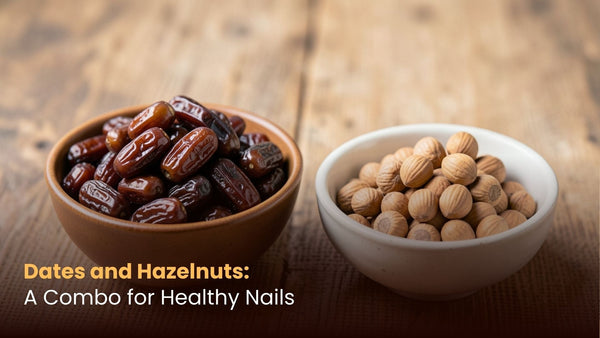
When hazelnuts and dates are consumed together, they create a balanced mix of healthy fats, fiber, minerals, and antioxidants. Hazelnuts offer heart-friendly fats and vitamin E, while dates provide potassium, fiber, and natural antioxidants. The combination works to stabilize cholesterol, improve blood flow, and reduce oxidative stress more effectively than either food alone. Their nutrient synergy makes them an ideal heart-protective snack.
How This Combination Helps Reduce Bad Cholesterol Levels
Hazelnuts help lower LDL cholesterol due to their monounsaturated fats and antioxidants, which prevent cholesterol oxidation. Dates add another layer of support through their high fiber content, which binds excess cholesterol and carries it out of the body. Together, they promote healthier cholesterol ratios, supporting better cardiovascular function. Regular intake can contribute to long-term improvement in lipid profiles.
Impact on Blood Pressure, Inflammation, and Blood Sugar Balance
Hazelnuts provide magnesium and healthy fats that help regulate blood pressure and reduce arterial stiffness. Dates contribute potassium, which keeps sodium levels in check and supports relaxed blood vessels. Their antioxidants work together to reduce chronic inflammation that affects heart health. While dates contain natural sugars, their fiber helps slow absorption, supporting stable blood sugar levels when eaten in moderation, especially when paired with healthy fats from hazelnuts.
Hazelnuts and Dates in Daily Diet: Practical Ways to Consume
This combination fits well into a daily routine without much effort. You can enjoy them as a quick, energy-rich snack or add them to smoothies or oatmeal for a nutritious breakfast. They also work well in trail mixes, yogurt bowls, and homemade bars. For dessert cravings, blending dates with crushed hazelnuts can create a healthier alternative to traditional sweets. Consistency is key, so including small portions daily can support long-term heart benefits.
Best Time to Eat Hazelnuts and Dates for Maximum Heart Benefits
Morning consumption helps provide sustained energy and supports metabolism throughout the day. Eating them before or after a workout helps restore energy levels and supports recovery. They also make an ideal mid-evening snack when cravings strike, thanks to the balance of healthy fats and natural sugars. However, the benefits remain consistent regardless of timing, as long as the portion size is controlled.
Who Should Avoid or Limit Hazelnuts and Dates
Not everyone can safely consume hazelnuts and dates, even though they offer strong nutritional benefits. Individuals with nut allergies should completely avoid hazelnuts because even small amounts can trigger reactions such as itching, swelling, hives, or, in severe cases, difficulty breathing. Dates, while generally safe, may not be suitable for everyone due to their natural sugar content.
People managing diabetes or high blood sugar levels should be cautious with dates. Although dates contain fiber that slows sugar absorption, they can still raise glucose levels when eaten in larger quantities. Limiting intake to one or two dates a day may work for many, but the exact portion depends on how well a person’s blood sugar is controlled.
Those following calorie-restricted diets need to be mindful of portion sizes for both hazelnuts and dates. Hazelnuts are rich in healthy fats, and dates are dense in natural sugars, meaning they provide more calories per serving compared to many other foods. Overconsumption can easily exceed daily calorie limits.
Individuals with digestive issues may also need to adjust their intake. Some people may experience discomfort such as bloating, gas, or difficulty digesting high-fiber foods like dates. Hazelnuts, being harder in texture, may also trigger digestive strain for those with sensitive stomachs or conditions like IBS.
Anyone with chronic medical conditions, those on special diets, or individuals with specific food sensitivities should consult a healthcare provider or nutritionist to determine the appropriate intake for their situation. Personalized advice helps ensure these foods support overall health without causing unintended complications.
Conclusion
Hazelnuts and dates provide a natural, nutrient-rich way to support heart health. Their healthy fats, antioxidants, minerals, and fiber work together to improve cholesterol levels, reduce inflammation, and promote healthier blood pressure. Making them a part of your daily routine is a simple and enjoyable step toward long-term cardiovascular wellness. For those who prefer high-quality nuts and dried fruits, choosing premium options like those offered by Krishival can help you incorporate these heart-friendly foods into your diet with confidence and consistency.
FAQs
Q1. What makes hazelnuts and dates good for heart health
Hazelnuts and dates contain a powerful mix of nutrients that support cardiovascular wellness. Hazelnuts are rich in monounsaturated fats, vitamin E, magnesium, and antioxidants that keep arteries healthy, reduce oxidative stress, and help balance cholesterol levels. Dates provide potassium, fiber, and natural antioxidants that support healthy blood pressure and protect heart tissues from inflammation. Together, they offer benefits that help reduce risk factors associated with heart disease.
Q2. How many hazelnuts and dates should I eat per day
A small daily portion is enough to enjoy their benefits without adding excess calories. A recommended serving is about 8–10 hazelnuts and 1–2 dates per day. This provides a balanced amount of healthy fats, fiber, potassium, and antioxidants. People with specific conditions like diabetes or weight-management goals may need to adjust portions, so moderation works best.
Q3. Do hazelnuts help lower LDL cholesterol
Yes. Hazelnuts contain monounsaturated fats and antioxidants that naturally support lower LDL cholesterol levels. These healthy fats replace saturated fats in the diet, reducing cholesterol buildup in the arteries. Their antioxidants also prevent the oxidation of LDL cholesterol, which is a leading cause of plaque formation. Regular intake can support improved lipid profiles over time.
Q4. Are dates safe for people with high blood pressure
Dates are generally safe and often beneficial for people with high blood pressure because they are naturally rich in potassium. Potassium helps balance sodium levels in the body and supports relaxed, healthy blood vessels. However, people who need to limit sugar intake should watch their portion size, as dates contain natural sweetness. Eating them in moderation usually works well for maintaining heart health along with stable blood pressure.
Q5. Can this combination help reduce inflammation
Yes. Both hazelnuts and dates are rich in antioxidants that help reduce inflammation in the body. Hazelnuts contain vitamin E and anti-inflammatory plant compounds that protect arteries from oxidative stress. Dates contain flavonoids and carotenoids, which help calm inflammation linked to heart disease and metabolic issues. When consumed regularly, the combination contributes to better long-term inflammatory control.
Q6. Are dates too sugary for heart patients
Dates do contain natural sugars, but they also offer fiber, antioxidants, and minerals that make them a healthier alternative to refined sweets. For most heart patients, 1–2 dates per day can fit well into a balanced diet, especially when paired with healthy fats like hazelnuts that help slow sugar absorption. People with diabetes or strict sugar restrictions should adjust their intake based on medical guidance.
Q7. Is it better to eat hazelnuts raw or roasted
Raw hazelnuts provide the highest amount of natural nutrients and are free from added oils or salt. Lightly roasted hazelnuts are also healthy, but deep roasting or salted versions may reduce some antioxidants and add unnecessary sodium. For heart health, raw or lightly roasted unsalted hazelnuts are ideal. They deliver healthy fats and vitamin E without added ingredients that could impact cardiovascular function.
Q8. Can children eat hazelnuts and dates regularly
Yes, children can enjoy both foods as part of a balanced diet, provided they do not have nut allergies. Hazelnuts offer healthy fats that support brain development, while dates provide natural energy, fiber, and essential minerals. For younger children, chopped or crushed hazelnuts and soft dates are safer to avoid choking risks. Small daily portions fit well into snack boxes or homemade energy bites.
Q9. Do hazelnuts and dates help manage blood sugar
Hazelnuts help stabilize blood sugar levels due to their healthy fats, fiber, and magnesium content. They slow digestion and prevent sudden spikes in glucose. Dates contain natural sugars, but their fiber content helps slow absorption, making them more stable for blood sugar than refined sweets. When combined, hazelnuts help balance the sweetness of dates, resulting in a steady release of energy without sharp sugar fluctuations when eaten in moderation.
Q10. Can these foods replace heart supplements
Hazelnuts and dates provide many heart-supporting nutrients naturally, such as potassium, magnesium, fiber, antioxidants, and healthy fats. However, they should not be seen as a complete replacement for medically prescribed supplements. They work best as part of a heart-friendly lifestyle that includes balanced nutrition, regular physical activity, and professional guidance. While they support heart health naturally, supplements may still be required based on individual medical needs.



Share Your Thoughts