

Almonds and Pistachios: The Perfect Brain-Boosting Snack
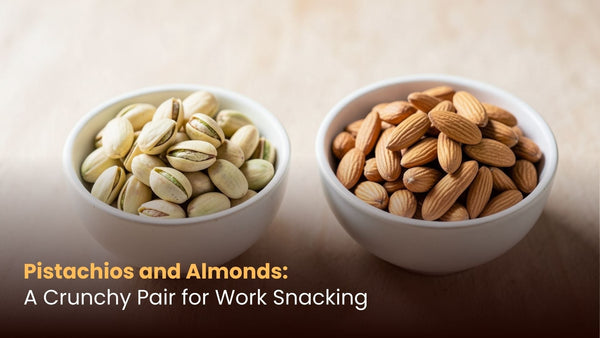
Almonds and pistachios are powerful brain-boosting snacks that directly enhance cognitive function. Almonds provide high levels of vitamin E, magnesium, and healthy fats that improve memory, focus, and neural communication. Pistachios supply vitamin B6, antioxidants, and protein, which support neurotransmitter production and protect brain cells from oxidative stress. Eating almonds and pistachios regularly can increase alertness, mental clarity, and overall brain efficiency, making them an ideal choice for students, professionals, and anyone looking to maintain sharp cognitive performance.
Table of Contents
- Introduction
- Why Brain Health Depends on Nutrition
- Nutritional Overview of Almonds and Pistachios
- How Almonds Support Cognitive Function
- Unique Brain Benefits of Pistachios
- Almonds vs Pistachios: Which Boosts Brain Power More
- The Science Behind Their Brain-Boosting Nutrients
- How to Eat Almonds and Pistachios for Maximum Benefits
- Best Time of Day to Consume Them for Cognitive Energy
- Ideal Portion Sizes and Daily Recommendations
- Smart Snack Combinations with Almonds and Pistachios
- Tips for Storing and Preserving Their Nutrients
- Who Should Avoid or Limit Consumption
- Common Myths About Nuts and Brain Health
- Conclusion
- FAQs
Why Brain Health Depends on Nutrition
Your brain is one of the most energy-demanding organs in the body, consuming nearly 20% of your daily caloric intake despite being only about 2% of your body weight. To function at its best, it needs a consistent supply of essential nutrients. Vitamins, minerals, and healthy fats play a critical role in maintaining the brain’s structure, supporting neurotransmitter production, and ensuring efficient communication between neurons. Neurotransmitters, the chemical messengers in your brain, rely on these nutrients to transmit signals effectively, which directly impacts memory, focus, mood, and decision-making.
A deficiency in key nutrients can impair cognitive performance, leading to symptoms such as forgetfulness, difficulty concentrating, mental fatigue, and slower problem-solving abilities. Over time, poor nutrition may increase the risk of neurodegenerative disorders and age-related cognitive decline.
Incorporating nutrient-dense foods like almonds and pistachios into your diet helps address these needs. Almonds are rich in vitamin E, which protects brain cells from oxidative stress caused by free radicals, and magnesium, which supports learning and memory functions. Pistachios contribute vitamin B6, which aids in the production of important neurotransmitters such as serotonin and dopamine, essential for mood regulation and cognitive alertness. Both nuts also contain healthy fats that improve blood flow to the brain, ensuring that neurons receive the oxygen and energy they require.
Regular consumption of almonds and pistachios not only nourishes the brain but also promotes the growth of new neurons, enhances synaptic connections, and improves overall cognitive performance. By providing a natural and convenient source of these essential nutrients, these nuts help maintain mental clarity, focus, and sustained energy throughout the day.
Nutritional Overview of Almonds and Pistachios
Almonds are rich in vitamin E, magnesium, protein, and fiber. They contain monounsaturated fats that help maintain healthy blood flow to the brain. Pistachios, on the other hand, are high in antioxidants, vitamin B6, protein, and healthy fats. Both nuts provide minerals such as copper and phosphorus, which are important for brain signaling and memory function. Together, they offer a nutrient-dense snack that supports overall mental and physical well-being.
How Almonds Support Cognitive Function
Almonds are known for their high vitamin E content, which protects neurons from oxidative damage. Magnesium in almonds helps in neurotransmission and improves learning and memory. They also provide riboflavin and L-carnitine, nutrients linked to improved brain activity and reduced cognitive decline. Regular consumption of almonds can enhance alertness, focus, and mental clarity, making them an ideal snack for students and professionals.
Unique Brain Benefits of Pistachios
Pistachios are particularly beneficial for memory and mood regulation due to their high vitamin B6 content, which supports neurotransmitter production, including serotonin and dopamine. Their antioxidants help reduce inflammation and oxidative stress in the brain. Additionally, pistachios are rich in healthy fats and amino acids that improve neural connectivity and cognitive performance, supporting sharper thinking and sustained mental energy.
Almonds vs Pistachios: Which Boosts Brain Power More
While both nuts are excellent for brain health, almonds are slightly superior in antioxidant content, particularly vitamin E, which helps in neuroprotection. Pistachios, however, offer unique benefits in mood regulation and neurotransmitter support due to vitamin B6. A combination of both provides comprehensive cognitive support, balancing neuroprotection with neurotransmitter synthesis and healthy brain signaling.
The Science Behind Their Brain-Boosting Nutrients
Vitamin E, magnesium, B vitamins, healthy fats, and antioxidants are key nutrients in almonds and pistachios. Vitamin E protects brain cells from oxidative stress, magnesium supports learning and memory, and B vitamins aid in neurotransmitter synthesis. The monounsaturated and polyunsaturated fats in these nuts improve blood flow and neuron communication. Together, these nutrients enhance cognitive function, memory retention, and mental clarity.
How to Eat Almonds and Pistachios for Maximum Benefits
For the best results, consume almonds and pistachios raw or lightly roasted without added salt or sugar. Soaking almonds overnight can improve digestibility and nutrient absorption. Incorporating them into breakfast bowls, smoothies, salads, or as an evening snack ensures a steady supply of brain-supporting nutrients throughout the day.
Best Time of Day to Consume Them for Cognitive Energy
Eating almonds and pistachios in the morning or mid-morning is ideal for providing sustained energy and mental alertness throughout the day. Starting your day with a small portion of these nuts helps stabilize blood sugar levels and provides the brain with essential nutrients needed for focus, memory, and cognitive performance. Consuming them in the afternoon can be particularly helpful in overcoming the post-lunch energy dip, keeping your mind sharp and productive for work or study sessions. For students or professionals who face mentally demanding tasks, having a handful of almonds or pistachios before a study session, office meeting, or any activity that requires intense concentration can boost attention span and improve overall mental efficiency. Additionally, including these nuts as part of a pre-workout snack or alongside other protein-rich foods can provide a slow release of energy, supporting both brain and body functions throughout the day.
Ideal Portion Sizes and Daily Recommendations
For optimal cognitive benefits, it is recommended to consume 10–15 almonds or 20–25 pistachios daily. This portion provides a balance of healthy fats, vitamins, minerals, and antioxidants without adding excessive calories to your diet. Eating more than the recommended portion may not deliver additional brain-boosting benefits and could contribute to unwanted calorie intake. Maintaining a consistent daily intake in these amounts ensures that your brain receives the nutrients it needs to function efficiently, while also supporting heart health and overall wellness. These portions can be adjusted slightly depending on age, activity level, and dietary requirements, but keeping within the recommended range maximizes both cognitive and physical benefits.
Smart Snack Combinations with Almonds and Pistachios
Almonds and pistachios can be combined with other nutrient-rich foods to create snacks that are not only delicious but also highly beneficial for the brain. Pairing them with dark chocolate enhances antioxidant intake, while adding berries provides extra vitamins and polyphenols that protect brain cells from oxidative damage. Mixing almonds and pistachios into yogurt, oatmeal, or smoothie bowls improves nutrient absorption and creates a filling, energy-boosting snack. Additionally, combining these nuts with fresh fruits, such as apples, bananas, or berries, adds fiber and natural sweetness, balancing blood sugar levels and providing sustained mental energy. These combinations make it easy to enjoy a brain-supportive snack throughout the day, whether at home, at work, or on the go, while also keeping your diet varied and enjoyable.
Tips for Storing and Preserving Their Nutrients
To get the most out of almonds and pistachios, proper storage is essential. Always keep them in airtight containers to prevent exposure to air, which can cause oxidation and reduce their nutrient quality over time. Store the containers in a cool, dry place away from direct sunlight, as heat and light can degrade sensitive vitamins, especially vitamin E in almonds, and reduce the potency of antioxidants in pistachios.
For longer-term storage, refrigeration is highly recommended, particularly in warm or humid climates. Refrigerated nuts can retain their flavor, texture, and nutrients for several months. Freezing almonds and pistachios is another effective option if you buy in bulk; they can last up to a year without losing their health benefits.
Avoid keeping them in open containers, near stoves, or in humid environments, as moisture can lead to mold growth, and warmth can accelerate the breakdown of healthy fats, causing the nuts to become rancid. Additionally, try to buy nuts in smaller quantities if possible, so they are consumed fresh and nutrient-rich before storage conditions impact their quality.
By following these storage practices, you can ensure that almonds and pistachios maintain their brain-boosting nutrients and provide maximum health benefits whenever you eat them.
Who Should Avoid or Limit Consumption
Although almonds and pistachios are generally safe and beneficial for most people, certain individuals need to exercise caution. People with nut allergies should completely avoid these snacks, as even a small amount can trigger severe allergic reactions, including hives, swelling, or difficulty breathing. Those who are managing their calorie intake or following a weight-loss plan should consume almonds and pistachios in moderation, as these nuts are calorie-dense due to their high content of healthy fats. Overconsumption can contribute to unwanted weight gain if not balanced with overall diet and activity levels. Additionally, individuals with kidney problems or specific mineral sensitivities, such as high potassium or phosphorus levels, should consult a healthcare professional before incorporating large amounts of these nuts into their diet. Pregnant women, people with digestive issues, or those on specific medication plans may also need personalized guidance to ensure safe consumption without interfering with health conditions or nutrient absorption.
Common Myths About Nuts and Brain Health
There are several misconceptions surrounding the consumption of almonds and pistachios for brain health. One common myth is that only large quantities of nuts can provide cognitive benefits. In reality, moderate daily intake is sufficient to support memory, focus, and overall brain function. Another widespread belief is that roasted or salted nuts offer the same benefits as raw nuts. While roasting lightly can enhance flavor and digestibility, heavily roasted or salted nuts may lose some vitamins and antioxidants and may include added sodium or unhealthy oils, which reduce their health value. Some people also assume that nut milks, such as almond or pistachio milk, provide the same nutrient density as whole nuts. However, nut milks often contain diluted amounts of vitamins, minerals, and healthy fats, meaning that whole nuts retain superior brain-boosting nutrients. Dispelling these myths helps individuals make informed choices and gain maximum cognitive benefits from almonds and pistachios.
Conclusion
Almonds and pistachios are versatile, nutrient-packed snacks that can significantly enhance cognitive function, memory, and mental energy. By incorporating them into daily meals or snacks in recommended portions, you can enjoy both their taste and brain-boosting benefits. Krishival offers premium-quality almonds and pistachios that are perfect for anyone looking to support brain health naturally while enjoying a delicious snack.
FAQs
Q1. Are almonds and pistachios suitable for students and working professionals?
Yes, they are ideal for maintaining focus, alertness, and memory. A small portion during study sessions or work hours can enhance cognitive performance.
Q2. How many almonds and pistachios should I eat daily for brain benefits?
Consume around 10–15 almonds or 20–25 pistachios daily for optimal cognitive support without excessive calorie intake.
Q3. Can soaking almonds enhance their brain-boosting effects?
Yes, soaking improves digestibility and nutrient absorption, particularly for vitamins and minerals that support brain function.
Q4. Are salted pistachios less effective for improving brain health?
Excess salt does not reduce cognitive benefits but can increase sodium intake, which is best avoided for heart health. Raw or lightly roasted unsalted pistachios are recommended.
Q5. How long does it take to notice cognitive benefits from regular consumption?
Regular intake over a few weeks can enhance alertness, memory, and focus. Long-term consumption supports sustained cognitive health.
Q6. Can almonds and pistachios improve memory and focus?
Yes, their combination of healthy fats, vitamins, and antioxidants supports neurotransmitter function and neuroprotection, which directly improves memory and focus.
Q7. Is it better to eat them raw or roasted for brain benefits?
Raw or lightly roasted nuts without added salt retain maximum nutrients. Over-roasting can reduce vitamin content.
Q8. Are almond milk and pistachio milk equally beneficial for the brain?
Nut milks provide some nutrients but are generally lower in vitamins, minerals, and healthy fats compared to whole nuts. Whole almonds and pistachios offer superior cognitive benefits.
Q9. Can eating these nuts help prevent age-related memory decline?
Yes, regular consumption of nutrient-rich almonds and pistachios supports long-term brain health and may reduce cognitive decline with age.
Q10. What’s the best way to include almonds and pistachios in a student’s diet plan?
Add them to morning oatmeal, smoothies, salads, or carry them as mid-morning or evening snacks. A consistent daily intake in recommended portions ensures sustained mental energy.







Share Your Thoughts