

Krishival’s top-selling dry fruits are not accidental bestsellers. They reflect consistent customer trust built on quality, sourcing discipline, and product reliability. Almonds, cashews, raisins, walnuts, pistachios, apricots, and figs form the core of Krishival’s most frequently purchased range. These products are chosen repeatedly because customers experience predictable taste, freshness, and nutritional value with every order.
Table of Contents
- Why Top Sellers Reflect Quality Standards
- Almonds: The Benchmark for Premium Quality
- Cashews: Standards in Sizing and Freshness
- Raisins: Purity and Sweetness Indicators
- Walnuts: Nutritional Integrity and Sourcing
- Pistachios: Shell Quality and Taste Consistency
- Other Top Performers: Apricots and Figs
- Krishival’s Quality Control Processes
- Conclusion
- Frequently Asked Questions
Why Top Sellers Reflect Quality Standards
In the dry fruit category, repeat purchases are a stronger quality signal than marketing claims. Customers return only when a product delivers consistently across batches. Krishival’s top sellers indicate:
- stable sourcing year after year
- controlled grading and sorting
- minimal variation in taste and texture
- reliable shelf life
- transparent labelling and packaging
High-performing products act as benchmarks for internal quality standards and guide how newer products are evaluated before scaling.
Almonds: The Benchmark for Premium Quality
Almonds are one of Krishival’s most trusted products and serve as a quality reference point across the portfolio. The focus areas include:
- uniform size and shape
- intact skins without excessive breakage
- natural crunch without dryness
- clean finish with no bitterness
Almonds undergo strict visual and texture checks because even minor inconsistencies are easily noticed by consumers. Their popularity reflects Krishival’s ability to maintain consistency across harvest cycles.
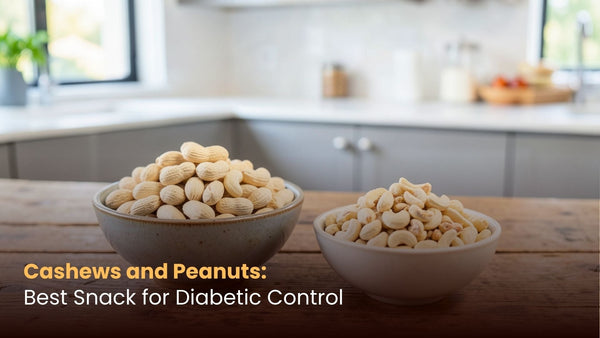
Cashews: Standards in Sizing and Freshness
Cashews are highly sensitive to storage and handling. Krishival’s cashew quality standards emphasise:
- accurate grading by size
- smooth surface with no oiliness
- fresh aroma without stale notes
- firm bite without excessive hardness
Freshness is critical for cashews, as oxidation impacts both taste and nutrition. Krishival’s top-selling cashew variants maintain a balance between creaminess and crunch, which drives repeat purchases.
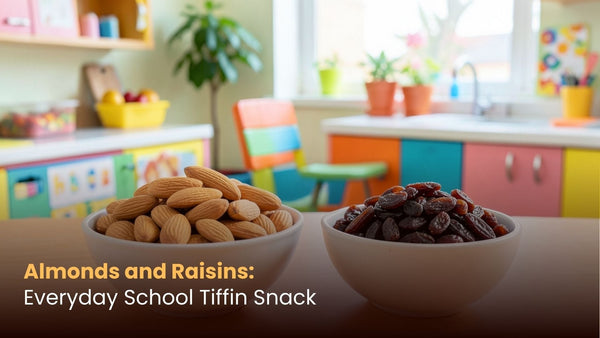
Raisins: Purity and Sweetness Indicators
Raisins are evaluated not just on sweetness but also on cleanliness and moisture control. Krishival’s raisin standards focus on:
- uniform colour without dark patches
- natural sweetness without artificial coating
- absence of debris, stems, or crystallisation
- soft but non-sticky texture
Raisins that sell consistently are those that perform well across snacking, cooking, and baking use cases—an indicator of processing precision.
Walnuts: Nutritional Integrity and Sourcing
Walnuts are valued for their omega-3 content, but quality depends heavily on sourcing and storage. Krishival’s walnut benchmarks include:
- light-colored kernels indicating freshness
- minimal bitterness, which signals proper storage
- intact halves rather than excessive fragments
- natural oil content without rancid odour
Walnuts that meet these criteria maintain both nutritional integrity and taste, which is why they remain among the most reordered products.
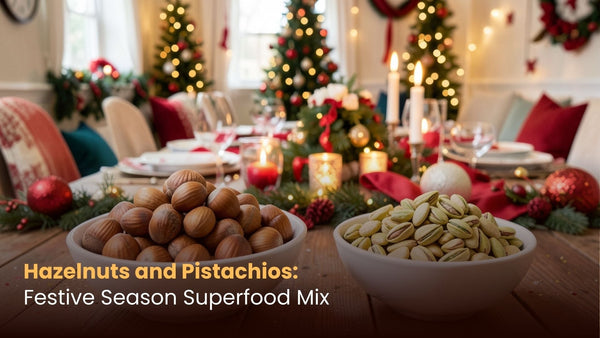
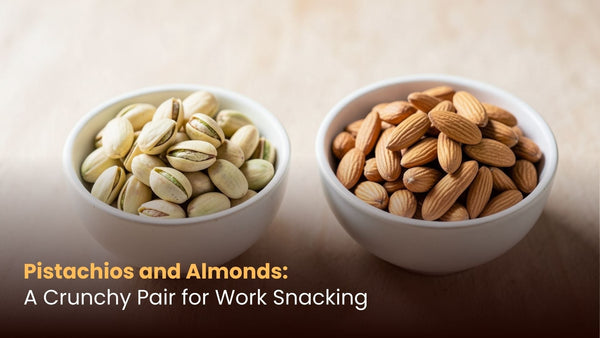
Pistachios: Shell Quality and Taste Consistency
Pistachios require special attention because shell quality affects both perception and usability. Krishival’s pistachio standards emphasise:
- naturally open shells for easy consumption
- clean shells without stains
- consistent roasting profile (where applicable)
- balanced salt levels without overpowering taste
Consistency matters more than novelty in pistachios, and Krishival’s top sellers reflect tight control over batch uniformity.
Other Top Performers: Apricots and Figs
Beyond core nuts, apricots and figs have emerged as strong performers due to rising health awareness.
Apricots are evaluated on:
- natural colour without excessive sulphur smell
- soft chew without dryness
- balanced sweetness
Figs are assessed based on:
- seed integrity
- moisture balance
- absence of crystallised sugar
- clean skin without fungal spots
Their growing popularity highlights Krishival’s ability to maintain quality even in delicate dried fruits.
Krishival’s Quality Control Processes
Krishival’s approach to quality control is built around the belief that consistency and trust matter more than short-term volume growth. Instead of treating quality as a single checkpoint, the framework operates across multiple stages, ensuring that every product meets internal standards before it reaches the customer. This layered process helps preserve nutritional value, taste, and safety while maintaining long-term brand credibility.
At the supplier level, sourcing checks are the first filter. Krishival works only with suppliers that meet clearly defined criteria related to origin, harvesting practices, and post-harvest handling. Each supplier is evaluated for consistency rather than one-time quality, which helps reduce variability between batches. This stage ensures that raw materials already meet baseline expectations before they enter further processing.
Once sourced, products undergo batch-wise visual and sensory inspection. Each batch is checked for appearance, size, uniformity, colour, aroma, and any visible defects. Sensory evaluation plays an important role here, as changes in smell or texture can indicate freshness issues or improper handling. This step helps identify problems early, before products move further in the supply chain.
Moisture and texture validation is another critical layer in the quality framework. Dry fruits and nuts are highly sensitive to moisture fluctuations, which can affect shelf life, taste, and nutritional integrity. Krishival monitors moisture levels to ensure they fall within optimal ranges, reducing the risk of spoilage or microbial growth. Texture checks confirm that products retain the expected firmness or softness, depending on the category, without becoming brittle or overly dry.
Packaging is designed specifically to preserve freshness rather than merely for presentation. Materials are selected to limit exposure to air, light, and humidity, all of which can degrade quality over time. Proper sealing and portion control help maintain taste and nutritional value from the first opening to the last serving. Packaging decisions are made with real storage and usage conditions in mind, not just shelf appearance.
Periodic quality audits form the final feedback loop in the process. These audits are informed not only by internal checks but also by customer feedback, reviews, and usage patterns. If recurring concerns are identified, sourcing or handling practices are reassessed and adjusted. This ongoing review ensures that quality standards evolve with real-world performance rather than remaining static.
Products that fail to meet internal benchmarks are deliberately not scaled, even when there is visible demand. This restraint reflects Krishival’s long-term focus on trust over volume. By prioritising consistency and reliability, the brand ensures that customer expectations are met every time, reinforcing confidence and loyalty over repeated purchases.
Conclusion
Krishival’s top-selling dry fruits are a direct outcome of consistent quality standards rather than short-term trends. Almonds, cashews, raisins, walnuts, pistachios, apricots, and figs continue to perform because they meet strict criteria across sourcing, freshness, and taste. These products define what customers expect from the brand—and set the standard for everything that follows.
FAQs
1. Why do Krishival’s top sellers rarely change?
Krishival’s top-selling dry fruits remain consistent because quality consistency drives repeat purchases. Customers tend to reorder products that meet expectations every single time—whether in taste, texture, freshness, or packaging. When a product delivers the same experience across batches, it builds trust, and that trust translates into stable demand. Instead of chasing trends, Krishival focuses on maintaining strict quality benchmarks for its core products, which naturally keeps them among the bestsellers over long periods.
2. How does Krishival ensure freshness across batches?
Freshness is maintained through a combination of controlled sourcing, storage discipline, and batch-level quality checks. Krishival works with selected suppliers, monitors storage conditions such as temperature and humidity, and inspects each batch before packing. Products are not mixed across batches without checks, which prevents older stock from affecting freshness. This approach ensures that customers receive dry fruits that retain their natural aroma, texture, and nutritional value.
3. Are top-selling products also the most nutritious?
In most cases, yes. Products that are handled, stored, and packed correctly tend to retain more of their natural nutrients. Top-selling products often come from stable supply chains where sourcing quality is consistent, reducing exposure to moisture, heat, or oxidation. Proper handling helps preserve healthy fats, antioxidants, and minerals, which directly impacts both nutrition and taste. As a result, products that perform well in sales often also perform well nutritionally.
4. Does Krishival grade dry fruits manually or mechanically?
Krishival uses a combination of mechanical grading and manual inspection. Mechanical grading ensures consistency in size and weight, which is important for uniformity. Manual inspection is then used to catch defects that machines may miss, such as surface damage, discoloration, or broken pieces. This hybrid approach balances efficiency with precision, ensuring that only products meeting quality benchmarks reach customers.
5. Why is size uniformity important in dry fruits?
Size uniformity affects both usability and perception. Uniform dry fruits cook evenly, roast consistently, and blend better in recipes. From a customer perspective, uniform sizing also signals quality and careful sorting. Inconsistent sizes may suggest poor grading or mixed-quality batches, which can affect trust. Maintaining size standards ensures a better experience across snacking, cooking, and gifting use cases.
6. How are bitterness issues prevented in walnuts?
Bitterness in walnuts is usually caused by oxidation, improper storage, or delayed processing after harvesting. Krishival prevents this by sourcing walnuts from reliable suppliers, storing them in temperature-controlled environments, and avoiding prolonged exposure to air and heat. Regular quality checks help identify early signs of rancidity, ensuring that only walnuts with a clean, natural taste are packed and sold.
7. Are preservatives used to maintain quality?
Krishival avoids unnecessary preservatives. Instead, quality is maintained through proper drying, controlled storage conditions, and protective packaging that limits exposure to moisture and oxygen. This approach helps preserve the natural taste and nutritional profile of dry fruits without relying on chemical additives. Customers receive products that are closer to their natural state.
8. Why do figs and apricots require special care?
Figs and apricots are naturally high in moisture and sugars, which makes them more sensitive to spoilage. If not handled properly, they can ferment, harden, or develop mold. Krishival applies stricter moisture control, careful packaging, and shorter storage cycles for these products. This ensures they remain soft, flavorful, and safe for consumption while retaining their nutritional benefits.
9. Can quality vary seasonally?
Yes, agricultural products naturally vary by season due to climate and harvest conditions. Krishival manages this variation by working with multiple vetted suppliers, adjusting sourcing regions when needed, and testing each batch against predefined standards. Products that do not meet quality benchmarks during certain seasons are not scaled, ensuring consistency despite seasonal changes.
10. How does customer feedback influence quality standards?
Customer feedback plays a critical role in refining Krishival’s quality benchmarks. Repeated comments about taste, freshness, packaging, or texture help identify patterns that may not appear in internal testing alone. High-volume feedback allows early detection of quality drift, enabling corrective action before it affects larger batches. Over time, this feedback loop helps strengthen standards and align products more closely with customer expectations.


Share Your Thoughts