
Sunflower seeds are far more than just a crunchy snack. These small kernels, harvested from the head of the sunflower plant, are among the most versatile natural products used across food, health, beauty, agriculture, and industry. Their unique combination of protein, healthy fats, fiber, vitamins, and minerals makes them valuable in everyday diets, commercial manufacturing, and even environmental sustainability.
Many people only associate sunflower seeds with roasted snack packs or bird feed. However, their applications extend into plant-based nutrition, skincare formulations, cooking oils, renewable energy, livestock feed, baking industries, fitness diets, and more.
This comprehensive guide explores the uses of sunflower seeds in complete depth — from kitchen applications to cosmetic science, from sports nutrition to biodiesel production. By the end, you will understand why sunflower seeds are considered one of the most multifunctional seeds available globally.
Nutritional Foundation Behind the Uses of Sunflower Seeds
Understanding why sunflower seeds are so widely used begins with their nutritional profile.
Per 100 grams of shelled sunflower seeds:
|
Nutrient |
Approximate Amount |
Functional Role |
|
Calories |
580–590 kcal |
Energy supply |
|
Protein |
20–21 g |
Muscle repair & growth |
|
Healthy fats |
50–51 g |
Heart & hormone support |
|
Fiber |
8–9 g |
Digestive health |
|
Vitamin E |
35 mg+ |
Antioxidant protection |
|
Magnesium |
325 mg |
Nerve & muscle function |
|
Selenium |
50 mcg |
Thyroid & immunity |
|
Zinc |
5 mg |
Skin & immune health |
Because sunflower seeds combine macronutrients (protein, fats, fiber) with powerful micronutrients (Vitamin E, magnesium, selenium), they serve multiple roles across industries.
Culinary Uses of Sunflower Seeds
One of the primary uses of sunflower seeds is in food preparation. Their mild nutty taste and crunchy texture make them adaptable to both sweet and savory dishes.
1. Healthy Snack Alternative
Sunflower seeds are widely consumed as:
-
Raw seeds
-
Dry roasted seeds
-
Lightly salted versions
-
Spiced snack packs
They are portable, affordable, and nutritionally superior to many processed snacks.
Example:
Replacing a packet of fried chips with 20 grams of roasted sunflower seeds provides protein, fiber, and healthy fats without artificial preservatives.
2. Salad Enhancer
Adding sunflower seeds to salads:
-
Improves texture
-
Increases protein content
-
Enhances satiety
-
Adds healthy fats
They pair well with leafy greens, quinoa salads, and grain bowls.
3. Breakfast Toppings
Sunflower seeds are commonly sprinkled over:
-
Oatmeal
-
Yogurt bowls
-
Smoothie bowls
-
Chia pudding
-
Muesli
This increases both nutritional value and crunch factor.
4. Baking Ingredient
Sunflower seeds are widely used in baking:
-
Multigrain bread
-
Crackers
-
Muffins
-
Cookies
-
Energy bars
-
Granola clusters
They enhance both flavor and nutrient density.
5. Trail Mix Component
Trail mixes often include sunflower seeds because they provide:
-
Balanced macronutrients
-
Sustained energy
-
Good shelf stability
Popular combinations:
-
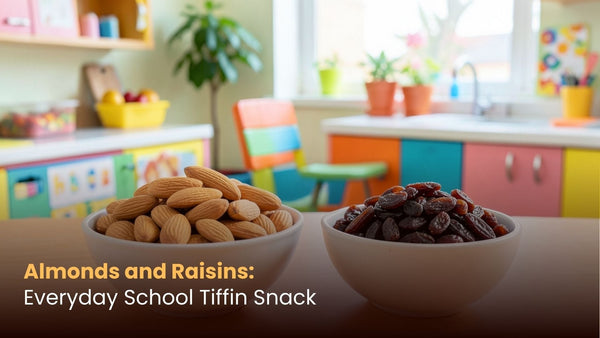
Sunflower seeds + almonds + raisins
-
Sunflower seeds + pumpkin seeds + dark chocolate
-
Sunflower seeds + cashews + dried fruit
6. Smoothie Protein Booster
Blended sunflower seeds add:
-
Creaminess
-
Protein
-
Healthy fats
-
Mineral content
They are especially helpful for plant-based diets.
7. Sunflower Seed Butter
Sunflower seed butter is made by grinding roasted seeds into a smooth paste.
Uses include:
-
Spread on toast
-
Peanut butter alternative
-
Ingredient in sauces
-
Smoothie addition
-
Baking substitute
It is especially useful for individuals with peanut allergies.
8. Dairy-Free Cream Substitute
Soaked and blended sunflower seeds can create creamy sauces for:
-
Vegan pasta dishes
-
Salad dressings
-
Soups
-
Dips
This makes them valuable in plant-based cooking.
Fitness and Protein Applications
Sunflower seeds are often included in fitness and bodybuilding diets.
9. Plant-Based Protein Source
With approximately 20 grams of protein per 100 grams, sunflower seeds contribute meaningfully to daily protein intake.
They are often combined with:
-
Lentils
-
Beans
-
Tofu
-
Brown rice
to create complete amino acid profiles.
10. Post-Workout Recovery Snack
Magnesium in sunflower seeds supports muscle recovery.
Protein aids tissue repair.
Healthy fats provide sustained energy.
11. Muscle Maintenance in Vegetarian Diets
For vegetarians and vegans, sunflower seeds offer an additional protein source beyond legumes.
Health-Related Uses of Sunflower Seeds
Beyond food applications, sunflower seeds are valued for their health-supporting properties.
12. Heart Health Support
Sunflower seeds contain:
-
Polyunsaturated fats
-
Phytosterols
-
Magnesium
These nutrients may support cholesterol balance and cardiovascular health.
13. Weight Management Support
Protein and fiber promote satiety, helping control hunger.
Small portions can prevent overeating.
14. Blood Sugar Regulation
Fiber slows glucose absorption.
Magnesium may improve insulin sensitivity.
15. Digestive Support
Fiber content promotes regular bowel movements and gut health.
16. Immune System Support
Selenium and zinc contribute to immune cell function.
17. Anti-Inflammatory Benefits
Vitamin E acts as an antioxidant, reducing oxidative stress.
Skincare and Cosmetic Uses
Sunflower seeds and sunflower seed oil are widely used in the beauty industry.
18. Sunflower Seed Oil for Moisturizers
Sunflower oil is used in:
-
Face creams
-
Body lotions
-
Massage oils
It helps maintain the skin barrier and retain moisture.
19. Baby Skincare Products
Due to its gentle properties, sunflower oil is commonly found in baby oils and creams.
20. Anti-Aging Creams
Vitamin E content makes sunflower extract valuable in anti-aging products.
21. Hair Care Formulations
Sunflower oil is used in:
-
Hair serums
-
Leave-in conditioners
-
Scalp treatments
It helps improve shine and reduce frizz.
22. Lip Balms and Soaps
Sunflower oil serves as a base oil in natural cosmetics.
Industrial Uses of Sunflower Seeds
Sunflower seeds are economically important in industrial sectors.
23. Sunflower Oil Production
One of the largest uses is oil extraction.
Sunflower oil is used for:
-
Cooking
-
Frying
-
Packaged foods
-
Margarine production
24. Biodiesel Production
Sunflower oil can be converted into biodiesel, contributing to renewable energy efforts.
25. Livestock Feed
After oil extraction, sunflower meal is used as protein-rich animal feed.
26. Cosmetic Manufacturing
Sunflower derivatives are used in soaps, shampoos, conditioners, and lotions.
Agricultural and Environmental Uses
27. Bird Feed
Sunflower seeds are among the most popular bird feeds worldwide.
Black oil sunflower seeds are especially favored.
28. Soil Remediation
Sunflower plants are used in phytoremediation — removing toxins from soil.
29. Ornamental Gardening
Sunflowers are grown for decorative landscaping and floral arrangements.
Culinary Forms and Their Uses
|
Form |
Primary Uses |
|
Raw seeds |
Salads, smoothies |
|
Dry roasted |
Snacking |
|
Salted |
Casual snacks |
|
Ground |
Butter, baking |
|
Oil |
Cooking, cosmetics |
|
Seed meal |
Animal feed |
Daily Usage Recommendations
For dietary purposes:
15–30 grams per day is ideal.
For cooking oil:
Use in moderation due to calorie density.
Economic Importance of Sunflower Seeds
Sunflower cultivation contributes significantly to:
-
Global cooking oil supply
-
Livestock nutrition
-
Cosmetic industry production
-
Renewable fuel development
Countries worldwide cultivate sunflowers for both domestic use and export.
Sustainability Benefits
Sunflowers are:
-
Relatively drought-resistant
-
Adaptable to different climates
-
Useful in crop rotation systems
This makes them agriculturally sustainable.
Frequently Asked Questions
What are the main uses of sunflower seeds?
They are used in food, oil production, skincare products, livestock feed, renewable energy, and bird feed.
Can sunflower seeds be eaten daily?
Yes, in moderate portions.
What is sunflower seed butter used for?
As a spread, smoothie ingredient, and peanut butter alternative.
Are sunflower seeds used in cooking?
Yes, widely in salads, breads, granola, and snacks.
Is sunflower oil healthy?
It contains unsaturated fats but should be consumed moderately.
Are sunflower seeds good for skin?
Yes, due to Vitamin E.
Are sunflower seeds good for birds?
Yes, they are a preferred bird feed.
Can sunflower seeds help digestion?
Yes, due to fiber.
Are sunflower seeds used in cosmetics?
Yes, sunflower oil is widely used.
Can sunflower seeds be used in vegan diets?
Yes, they are plant-based.
Are roasted sunflower seeds healthy?
Dry roasted unsalted versions are healthiest.
Are sunflower seeds used for biodiesel?
Yes, sunflower oil can be converted into renewable fuel.
How much sunflower seeds should I eat daily?
15–30 grams per day.
Can sunflower seeds cause weight gain?
Yes, if consumed in excessive quantities.
Why are sunflower seeds so versatile?
Because they combine nutrition, oil content, and agricultural adaptability.
Share Your Thoughts