
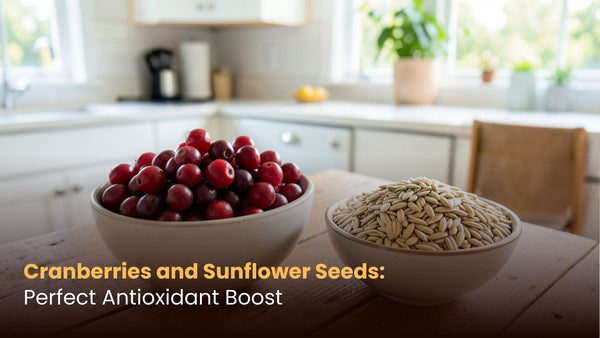
Sunflower seeds and pine nuts are small in size but powerful when it comes to healthy fats and everyday nutrition. Sunflower seeds provide antioxidant-rich fats and vitamin E that protect cells and support skin and heart health. Pine nuts add monounsaturated fats and essential minerals that help with energy, satiety, and overall metabolic balance. Together, sunflower seeds and pine nuts create a natural, wholesome fat combination that fits easily into modern diets. Whether added to meals, snacks, or simple recipes, this pairing offers a clean alternative to processed fats while supporting long-term wellness through balanced nutrition.
Why Sunflower Seeds and Pine Nuts Matter for Healthy Fats
Sunflower seeds and pine nuts are excellent natural sources of healthy fats that support overall wellness. Sunflower seeds are rich in polyunsaturated fats and vitamin E, while pine nuts provide monounsaturated fats and essential minerals. Sunflower seeds help protect cells from oxidative stress, and pine nuts support heart health and sustained energy. Together, sunflower seeds and pine nuts offer a balanced fat profile that fits well into modern diets focused on long-term health rather than empty calories.
Nutritional Breakdown: Sunflower Seeds vs. Pine Nuts
Sunflower seeds are high in vitamin E, magnesium, selenium, and plant-based protein. Their fat content is mainly polyunsaturated fats, which play a role in reducing inflammation and supporting skin health. Pine nuts are calorie-dense but nutritionally rich, containing monounsaturated fats, iron, zinc, magnesium, and antioxidants. Pine nuts also contain pinolenic acid, a fatty acid linked to appetite control and satiety. While both are fat-rich, their nutrient profiles complement rather than overlap each other.
Sunflower Seeds and Pine Nuts as a Healthy Fat Combo
When combined, sunflower seeds and pine nuts provide a diverse range of healthy fats that work together in the body. Sunflower seeds contribute antioxidant protection and essential fatty acids, while pine nuts support heart health and sustained energy release. This combination helps balance fat intake, making meals more filling without relying on processed oils or fried foods. It is especially useful for people transitioning to healthier eating patterns.
Health Benefits of the Sunflower Seeds and Pine Nuts Combo
This combination supports heart health by promoting better cholesterol balance through healthy fats. The antioxidants in sunflower seeds help reduce oxidative damage, while pine nuts contribute to improved circulation and energy metabolism. Together, they support brain function, hormonal balance, and nutrient absorption. Regular intake in moderate amounts may also help with weight management by increasing satiety and reducing unnecessary snacking.
How to Incorporate Sunflower Seeds and Pine Nuts into Your Diet
Sunflower seeds and pine nuts can be seamlessly incorporated into everyday meals without requiring major changes to eating habits. One of the simplest ways to use them is by sprinkling a small amount over salads. Sunflower seeds add crunch and a mild nutty taste, while pine nuts provide a rich, buttery texture that enhances both raw and cooked vegetables. This not only improves flavour but also increases the healthy fat content of the meal, which helps with nutrient absorption.
They can also be mixed into yoghurt or oatmeal, making them suitable for breakfast or mid-day snacks. Adding sunflower seeds and pine nuts to these foods boosts satiety and helps maintain steady energy levels through the day. In grain bowls made with rice, quinoa, or millets, this combination adds both texture and nutritional balance, complementing vegetables and proteins.
Light roasting is another effective way to enhance flavour. Roasting should be done gently, without excessive heat or oil, to preserve nutritional value. Using these seeds and nuts in small quantities across meals allows regular intake of healthy fats while keeping overall calorie consumption in check, making them easy to sustain as part of a balanced diet.
Simple Recipes Featuring Sunflower Seeds and Pine Nuts
Sunflower seeds and pine nuts can be used in a variety of simple recipes that add nutrition without requiring elaborate cooking. One of the easiest preparations is a homemade seed-and-nut mix. Lightly roasting sunflower seeds and pine nuts enhances their natural flavour and aroma. A small pinch of salt or mild seasoning can be added, but it is best to keep flavours minimal to preserve their nutritional benefits. This mix can be stored in an airtight container and used as a quick snack or sprinkled over meals.
Another versatile option is using sunflower seeds and pine nuts in pesto-style sauces. Pine nuts provide a creamy texture, while sunflower seeds add body and nutrients. Blending them with fresh herbs, garlic, olive oil, and a little cheese or nutritional yeast creates a sauce that can be used with pasta, spread on toast, or mixed into grain bowls. This approach allows healthy fats to be incorporated into regular meals without relying on processed sauces.
Sunflower seeds and pine nuts also work well in vegetable stir-fries. Adding them toward the end of cooking gives a light crunch and enhances both texture and flavour. They pair well with sautéed vegetables, rice dishes, or even lightly spiced curries, adding nutritional depth without overpowering the dish.
For convenient snacking, both can be mixed into homemade energy bites. Chopped dates or oats act as a base, while sunflower seeds and pine nuts contribute healthy fats and sustained energy. These bites can be prepared in advance and stored for the week, making them ideal for busy routines that require nutritious, ready-to-eat options.
Potential Risks and Precautions
While sunflower seeds and pine nuts offer valuable nutritional benefits, it is important to be mindful of certain risks and precautions to ensure they are consumed safely and effectively. Both sunflower seeds and pine nuts are calorie-dense due to their high fat content. Consuming large quantities regularly can contribute to excess calorie intake, which may lead to unintended weight gain if not balanced with overall dietary needs. This is why moderation and portion awareness are essential, especially for individuals trying to manage weight.
Allergies are another important consideration. Some individuals may have sensitivities or allergies to nuts or seeds, which can cause reactions ranging from mild discomfort to more severe symptoms. Anyone with a known allergy should avoid these foods and carefully read ingredient labels when consuming packaged products.
Storage also plays a critical role in safety and quality. Pine nuts, in particular, are highly sensitive to heat, light, and air because of their fat composition. Improper storage can cause them to become rancid, leading to unpleasant taste and potential digestive discomfort. Storing pine nuts and sunflower seeds in airtight containers, preferably in cool or refrigerated conditions, helps maintain freshness and nutritional integrity.
Finally, mindful portion control ensures that the benefits of sunflower seeds and pine nuts are enjoyed without side effects. Including small, measured quantities in meals or snacks allows individuals to gain healthy fats and nutrients while maintaining overall dietary balance.
Case Studies: Real-Life Success with This Healthy Fat Combo
Real-life experiences show how sunflower seeds and pine nuts can make a meaningful difference when included regularly in daily meals. Many health-conscious individuals report feeling fuller for longer after adding this combination to salads, breakfast bowls, or snacks. The healthy fats and protein content slow digestion, which helps reduce frequent hunger and unnecessary snacking between meals. As a result, people often notice fewer cravings for processed or sugary foods during the day.
Fitness enthusiasts commonly include sunflower seeds and pine nuts in pre- or post-workout meals. They find that this combination provides steady energy without the sudden spikes and crashes associated with refined energy bars or sugary snacks. The fats help sustain energy levels during longer training sessions, while the minerals support muscle function and recovery.
Others who focus on overall wellness mention improved digestion and better meal satisfaction after adding this healthy fat combo to their diet. Meals feel more complete and satisfying, making it easier to follow balanced eating patterns consistently. Over time, these small but regular dietary additions help people maintain healthier routines, manage appetite more effectively, and support long-term nutritional goals.
Comparison Table: Sunflower Seeds and Pine Nuts with Other Nuts
|
Food Item |
Primary Fat Type |
Key Nutrients |
Best Use |
|
Sunflower Seeds |
Polyunsaturated fats |
Vitamin E, magnesium |
Skin and antioxidant support |
|
Pine Nuts |
Monounsaturated fats |
Iron, zinc, pinolenic acid |
Heart health and satiety |
|
Almonds |
Monounsaturated fats |
Calcium, fibre |
Daily snacking |
|
Cashews |
Mixed fats |
Magnesium, protein |
Energy and taste balance |
|
Walnuts |
Omega-3 fats |
Alpha-linolenic acid |
Brain and heart support |
Conclusion
Sunflower seeds and pine nuts together create a powerful, natural, healthy fat combination that supports heart health, energy levels, and overall nutrition. Their complementary fat profiles and micronutrients make them suitable for daily diets when consumed in moderation. Choosing quality sources also matters, and brands like Krishival focus on offering carefully handled sunflower seeds and pine nuts that can be confidently included in balanced meals. With mindful portions, this combination can become a simple yet effective addition to a healthy lifestyle.
FAQs
1. Why are sunflower seeds and pine nuts considered good sources of healthy fats?
Sunflower seeds and pine nuts are rich in unsaturated fats, which are beneficial for heart health and overall wellness. Sunflower seeds mainly provide polyunsaturated fats along with vitamin E, which helps protect cells from oxidative damage. Pine nuts contain monounsaturated fats that support healthy cholesterol levels and provide sustained energy. Together, they offer a balanced fat profile without relying on processed oils.
2. Can sunflower seeds and pine nuts be eaten daily?
Yes, they can be consumed daily when eaten in moderate portions. Both are calorie-dense, so portion control is important. A small handful combined per day is generally sufficient to gain nutritional benefits such as better satiety, improved energy levels, and healthy fat intake without excessive calorie consumption.
3. Do sunflower seeds and pine nuts help with heart health?
This combination supports heart health by supplying healthy fats that help maintain balanced cholesterol levels. Vitamin E in sunflower seeds reduces oxidative stress, while the monounsaturated fats in pine nuts support good cardiovascular function. Regular, moderate intake can contribute to long-term heart health when combined with a balanced diet.
4. Are sunflower seeds and pine nuts suitable for weight management?
They can support weight management by promoting fullness and reducing unnecessary snacking. The healthy fats and protein content slow digestion, helping control appetite. However, overconsumption may lead to excess calorie intake, so mindful portion sizes are essential for weight control.
5. Are sunflower seeds and pine nuts safe for people with diabetes?
They generally have a low glycaemic impact because they are high in fats and low in carbohydrates. This makes them suitable for people with diabetes when consumed in controlled portions. As with any dietary change, individuals should monitor their response and consult a healthcare professional for personalised advice.
6. Should sunflower seeds and pine nuts be eaten raw or roasted?
Both raw and lightly roasted forms are acceptable. Light roasting enhances flavour without significantly affecting nutrition. Heavily roasted, salted, or flavoured versions should be avoided, as excess salt and oils can reduce health benefits.
7. How do sunflower seeds and pine nuts compare with other nuts and seeds?
Compared to other nuts, sunflower seeds are especially high in vitamin E, while pine nuts are known for their monounsaturated fat content and satiety-promoting properties. Together, they offer a complementary nutrient profile that differs from almonds, cashews, or walnuts, making them a useful addition to a varied diet.
8. Can children consume sunflower seeds and pine nuts?
Children can consume both when given in age-appropriate portions. Seeds and nuts should be chopped or ground for younger children to prevent choking. These foods provide healthy fats and minerals that support growth and energy needs.
9. How should sunflower seeds and pine nuts be stored to maintain freshness?
Both should be stored in airtight containers away from heat, light, and moisture. Pine nuts, in particular, are sensitive to oxidation due to their fat content and are best stored in the refrigerator. Proper storage helps prevent rancidity and preserves nutritional quality.
10. How many sunflower seeds and pine nuts should be eaten per day?
A combined portion of about one small handful per day is generally sufficient for most people. This amount provides healthy fats and essential nutrients without significantly increasing calorie intake, making it suitable for daily consumption as part of a balanced diet.

Share Your Thoughts