

How Nuts and Dry Fruits Support Immunity and Energy
Discover how nuts and dry fruits strengthen immunity and boost energy through essential vitamins, minerals, antioxidants, and healthy fats.
A strong immune system help body to stay protected from infections, tiredness and illness. One of the simple way to support the immune system is by eating healthy food daily. What you eat daily plays an important role to keep body strong and full of energy.
In various indian homes, dry fruits are always seen as healthy and nourishing foods. People consume almonds, walnuts, raisins and dates. These foods are not just a traditional part. Modern nutrition shows that dry fruits contain healthy fats, antioxidanats and minerals. Dry fruits help to improve energy levels. These nutrients help the body to fight infections and stay active all day.
Table of Contents
- Why Nutrition Plays a Key Role in Immune Health
- Nutritional Value of Nuts and Dry Fruits
- Key Vitamins and Minerals That Strengthen Immunity
- How Nuts and Dry Fruits Boost Energy Naturally
- Almonds for Immune Support and Heart Health
- Walnuts for Reducing Inflammation and Supporting Brain Health
- Cashews for Energy, Zinc, and Immune Cell Production
- Dates and Raisins for Natural Energy and Iron Support
- Figs for Digestive Health and Antioxidant Protection
- Recommended Daily Portions of Nuts and Dry Fruits
- Best Time to Eat Nuts and Dry Fruits for Maximum Benefits
- Soaked vs Raw Dry Fruits: Which Is Better?
- Simple Ways to Include Nuts and Dry Fruits in Your Daily Diet
- Potential Risks and Portion Control
- Conclusion
- Frequently Asked Questions
Why Nutrition Plays a Key Role in Immune Health
The immune system protects the body from infections, virus and harmful bacteria. For it to function properly, the body require sustained supply of nutrients from the food. These nutrients help to build immune cells, repair tissues and maintain strong defence mechanisms.
When the body does not receive sufficient vitamins, minerals and antioxidants. The immune system can become weak. This can make the body more vulnerable to tiredness and illness. A balanced diet consists of nutrient-rich foods that help to support the immune system and keep the function efficiently.
Nuts and dry fruits are powerful foods. For the immune system. As they provide various range of important nutrients in small amounts. Daily consumption of these dry fruits helps to fill the nutritional gaps and support overall health.
Nutritional Value of Nuts and Dry Fruits
Nuts and dry fruits include concentrated nutrients. As most of the water is removed. This means that a small amount provides valuable nutrients that are required for the body.
These dry fruits include healthy fats, plant-based protein, fibre, vitamins and minerals. Healthy fats help to support heart health and offers long laasting energy. Protein also helps to repair tissues and maintain muscle strength. Fibre supports digestion and gut health.
They also contain important minerals like zinc, iron, and magnesium. These nutrients help to support the immune cell function, energy production and overall metabolic system.
Key Vitamins and Minerals That Strengthen Immunity
Many vitamins and minerals are found in dry fruits and nuts. They support immune health. It also protects immune cells from damage that is caused by free radicals. Zinc is another important mineral found in cashews and other nuts. It helps to produce and activate the immune cells.
Iron plays a role in transporting oxygen in the blood. Foods like dates and raisins offer iron that supports energy levels and the immune system. Magnesium helps to regulate muscle and nerve function.
How Nuts and Dry Fruits Boost Energy Naturally
Nuts and dry fruits are sources of natural energy. As it provide combination of healthy fats, protein and natural sugars. Natural sugars in fruits like dates and raisins offer quick energy when the body requires it. Healthy fats and protein from nuts release the energy more slowly, which helps to maintain stable energy levels throughout the day.
Unlike the processed snacks that cause sudden energy spikes followed by tiredness. Nuts and dry fruits offer sustained energy. This makes them ideal for the busy days, long working hours and physical activities.
Almonds for Immune Support and Heart Health
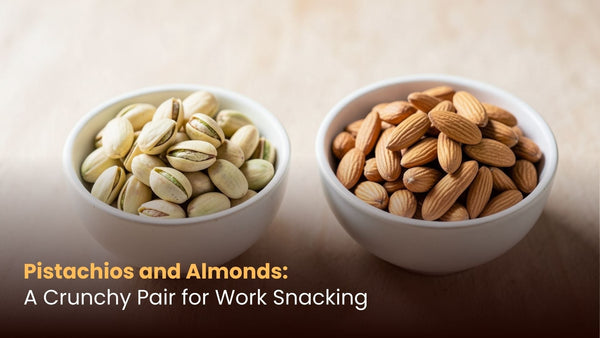
Almonds are popular dry fruits and are known for their high nutritional value. They are rich in vitamin E, that act as an antioxidant and helps to protect the immune cells from damage. Almonds contain healthy fats that support heart health. These fats help to maintain balanced cholesterol levels and support blood circulation. Magnesium found in the almonds helps to maintain muscle function and energy production.
Daily consumption of almonds in moderate portions supports both immune health and heart health.
Walnuts for Reducing Inflammation and Supporting Brain Health
Walnuts are considered to be the most nutritious nuts available. They stand out as they contain a special type of healthy fats called omega-3 fatty acids. These fats are essential for the main functions of the body. Especially to reduce inflammation and support brain health. As they are rich in nutritional profile, walnuts are suggested as part of a balanced diet that supports overall health.
Unlike various other nuts, walnuts provide plant-based omega-3 fatty acids. The body needs to produce them on its own. They should be obtained from the food. These healthy fats help to maintain normal body functions and support the important organs' health, like the heart and brain.
One of the most important benefits of walnuts is their ability to help reduce inflammation in the body. Inflammation is the body’s natural response to injury or infection. For example, when you get a cut or bruise, the body sends immune cells to the area to help repair the damage. This short-term inflammation is helpful and necessary for healing.
Cashews for Energy, Zinc, and Immune Cell Production
Cashews provide energy that helps body to remain strong. Even though they are small, cashews contain essential minerals that support many body functions, that includes immune system. The immune system is like the body’s defence team that protect the germs, infections and illnesses.
One of the important nutrients found is zinc. Zinc plays an important role to help body produce immune cells. These cells act like tiny soldiers that fight against harmful bacteria and viruses. When the body gets sufficient zinc, it responds more efficiently to infections and recover fast from the illness. Zinc also helps the body to repair tissues and heal wounds when the skin gets injured.
Cashews contain magnesium that helps the body produce energy. Magnesium supports many processes in the body that include muscle function and nerve signals. It also helps the body to convert food to usable energy that allows it to stay active the whole day.
Another essential nutrient in cashews is iron. This iron helps red blood cells to carry oxygen to different parts of the body. So, cashews support immune health also. Consuming a handful of cashews as a snack can be an easy way to include helpful nutrients in a daily diet.
Dates and Raisins for Natural Energy and Iron Support
Dates and raisins are sweet naturally. So they provide quick energy to the body. They contain natural carbohydrates and sugars that the body can use as fuel. As they are helpful for people who feel tired or have low energy during the day. To eat small amount of dates can give quick energy.
Another important benefit of dates and raisins is that they contain iron. Iron is a mineral that helps the body produce haemoglobin. Haemoglobin is a substance in the blood that carries oxygen to different parts of the body. When the body receives enough oxygen, muscles and organs can work properly, and people feel more active and less tired.
Dates and raisins also contain dietary fibre, which supports digestion. Fibre helps food move smoothly through the digestive system and keeps the stomach healthy. It can also help maintain balanced blood sugar levels when these dry fruits are eaten in moderate amounts.
Because of these nutrients, dates and raisins are often included in healthy snacks, breakfast meals, or energy foods. Even a small handful can provide useful nutrients that support energy, digestion, and overall health.
Figs for Digestive Health and Antioxidant Protection
Figs are sweet and soft dry fruits. They are also helpful to keep the digestive system healthy. One of the most important nutrients found in figs is dietary fibre. Fibre helps food to move smoothly through the digestive system, which supports regular bowel movements. This can help to prevent issues like constipation and keep the stomach comfortable.
To eat fibre rich foods like figs helps to maintain a balanced gut environment. Where beneficial bacteria can grow and support the digestion. Figs contain natural antioxidants. Antioxidants are helpful compounds that protect the body’s cells from damage caused by harmful molecules. Free radicals can be built up in the body due to pollution, stress and unhealthy food habits. The antioxidants present in the figs help to fight against harmful molecules and protect the body cells.
In addition to fibre and antioxidants, figs also provide small amounts of important minerals like calcium, potassium, and magnesium. These nutrients support overall health and help maintain proper body functions. Because figs are naturally sweet and nutritious, they make a healthy snack that can support digestion and help protect the body from everyday stress.
Recommended Daily Portions of Nuts and Dry Fruits
Nuts and dry fruits are healthy snacks. They include important nutrients like fibre, vitamins and minerals. These nutrients help to support the energy levels, heart health and immune system. But nuts and dry fruits contain lots of calories as their nutrients are concentrated. This means eating too much can add extra calories to the diet. That is why consuming them in the right quantity is essential.
A small portion each day is usually enough for the body to receive the benefits without overconsumption. Think of nuts and dry fruits as powerful foods that work best in small amounts.
A healthy daily portion can include a mix of different nuts and dried fruits. For example:
- 5 to 6 almonds can provide vitamin E and healthy fats that support the heart and immune system.
- 2 to 3 walnut halves contain omega-3 fatty acids that support brain health and reduce inflammation.
- 4 to 5 cashews provide minerals like zinc and magnesium that help support energy and immune cells.
- A small handful of raisins or dates gives natural sugars for quick energy and also provides iron.
- A few pistachios add protein and fibre that help keep you feeling full for longer.
Eating a small mix like this each day can help your body receive a variety of nutrients. Instead of eating a large amount of just one nut, mixing different types provides a better balance of vitamins and minerals. This simple habit can help support overall health while keeping calorie intake under control.
Best Time to Eat Nuts and Dry Fruits for Maximum Benefits
To eat nuts and dry fruits at the right time helps the body to use nutrients effectively. Many people prefer to eat them in the morning as the body absorbs nutrients well at the beginning. To have a small amount of nuts and dry fruits on an empty stomach provides vitamins, minerals and healthy fats that help the body stay active and full of energy.
Morning is also a good time, as this food gives sustained energy. That can last for several hours. Nuts contain healthy fats and protein, while dry fruits provide natural sugars. Together, it helps to feel full for a longer time and prevent sudden hunger during the day. Nuts and dry fruits can be eaten as mid morning or evening snack. Instead to eaat chips, to choose small handful of almonds, raisins and walnuts can be a healthy option. These foods offer nutrients and help to maintain stable energy levels. Including nuts and dry fruits in daily routine at the right time supports better nutrition, improved energy and overall health.
Soaked vs Raw Dry Fruits: Which Is Better?
Many people eat dry fruits like figs, almonds, and raisins as they are healthy and full of nutrients. Some people prefer to have soaked dry fruits, while others have them raw. Both ways are common and have different benefits.
When dry fruits are soaked in water for many hours. They become softer. This makes them easy to digest and chew. The soaking process helps to remove certain natural substances present on the outer layer of some dry fruits. These substances sometimes make digestion a little harder for some people. By soaking dry fruits, the body may absorb their nutrients more easily.
For example, soaked almonds become softer, and their skin can be peeled off easily. Raisins and figs also become juicier and easier to digest after soaking. Because of this, many people prefer to eat soaked dry fruits in the morning.
However, raw dry fruits are still very nutritious. They contain the same vitamins, minerals, healthy fats, and fibre. If someone enjoys eating them without soaking, they can still get many health benefits.
In simple terms, both soaked and raw dry fruits are healthy choices. Soaking may help with digestion for some people, while raw dry fruits are convenient and easy to eat anytime. The best option depends on what feels comfortable for your body and what you prefer.
Simple Ways to Include Nuts and Dry Fruits in Your Daily Diet
Adding nuts and dry fruits to daily meals is easy. Like to eat it as a quick snack between meals, add them to breakfast, raisins and chopped dates mixed into yoghurt. Add them to smoothies to make them nutritious and filling. Add dry fruits to salads to improve taste and nutrition. They also work well in energy bars.
By including nuts and dry fruits in small amounts throughout the day, you can slowly increase your nutrient intake without making big changes to your daily eating habits. These simple additions can help make meals healthier and more satisfying.
Potential Risks and Portion Control
Nuts and dry fruits are a very healthy snack option. But they also should be consumed in moderation. As they are high in calories and contain natural oils. If someone eats too much of them, the body may take in more calories than required. Over time, it can lead to weight gain.
Another thing to remember is to have allergies to specific nuts like peanuts, walnuts and cashews. A nut allergy can cause symptoms like swelling, difficulty breathing, and itching in individuals. People who have allergies should avoid nuts that trigger reactions and check food labels carefully.
It is also important to be careful with salted nuts. Many packaged nuts contain added salt to improve the taste. Eating too much salt can increase sodium levels in the body. That can affect the blood pressure and heart health. To choose unslated or lightly roasted nuts is a healthy option.
Because nuts and dry fruits are powerful foods, the best approach is to eat them in small, balanced portions. A small handful each day is usually enough to enjoy their benefits without eating too many calories. Eating them as part of a balanced diet helps the body get the nutrients it needs while avoiding possible problems.
Conclusion
Nuts and dry fruits provide a natural and convenient way to support immunity and maintain steady energy levels. Their combination of healthy fats, protein, fibre, vitamins, and minerals helps support several body functions.
Regular consumption of foods such as almonds, walnuts, cashews, dates, raisins, and figs can help strengthen the immune system, support digestion, and provide sustained energy. When eaten in balanced portions as part of a healthy diet, these nutrient-rich foods can contribute to overall well-being and long-term health.
Frequently Asked Questions
Can dry fruits really improve immunity?
Yes, dry fruits contain minerals, healthy fats, etc. that support immune function. When consumed daily in moderation.
Are dry fruits suitable for people with diabetes?
Some dry fruits like almonds, cashews and walnuts are suitable in controlled portions. Dates and raisins should also be consumed carefully.
Is it okay to eat dry fruits every day?
Yes, it is okay to eat dry fruits daily. But suggested quantities are safe and beneficial.
Can dry fruits replace fruits and vegetables?
No. Dry fruits should complement a balanced diet, not replace fresh produce.
Are roasted dry fruits healthy?
Roasted dry fruits are healthy without added oil or salt.
How much should I eat daily?
A small handful of dry fruits a day is for immune health and energy support.
Are soaked dry fruits better?
Yes, soaked dry fruits are better as it improves digestion and helps body absorb nutrients more easily.
Do dry fruits help against pollution?
Yes, antioxidaants helps to reduce inflammation and support respiratory health.
Do nuts support heart health?
Nuts support heart health. As it contains healthy fats to maintain cholesterol levels.
Are nuts suitable for weight management?
Yes, when consumed in moderate portions, they help maintain satiety and support balanced nutrition.









Share Your Thoughts