

Iron is an important mineral that the body requires daily. As it help body to make red blood cells that carry oxygen to different parts of the body. When the body gets sufficient oxygen, it is full of energy, focused and active. So, when iron levels are low, a person can feel tired and dizzy. Few children, teens and even adults experience low energy as they are not getting enough iron.
The good part is that tablets and supplements are not required. To improve iron levels in the body. Various natural foods like dry fruits, are rich in iron. As it helps the body to stay strong. Dry fruits are easier to eat, full of nutrients and tasty. Adding the right ones to the daily diet supports healthy food, better energy and overall body growth.
High-quality dry fruits are fresh and can be stored properly. It makes a big impact on taste and nutrition. Choosing clean and carefully selected dry fruits ensures that the best nutrients are provided from every bite.
Table of Contents
- Why Iron Is Essential for the Body
- Daily Iron Requirements and Absorption Basics
- Iron Rich Dry Fruits: Best Options to Boost Your Iron Naturally
- Nutritional Comparison of Iron Content in Dry Fruits
- How to Improve Iron Absorption from Dry Fruits
- Best Ways to Include Iron-Rich Dry Fruits in Your Diet
- Who Is at Higher Risk of Iron Deficiency?
- Natural Iron vs Iron Supplements
- Potential Risks and Precautions
- Real-Life Examples of Improving Iron Through Diet
- Conclusion
- Frequently Asked Questions
Why Iron Is Essential for the Body
Iron is an important mineral that plays a vital role in overall health maintenance. Its main function is to help produce haemoglobin, a protein found in the red blood cells. Haemoglobin carries oxygen from the lungs to all the body parts. Without enough iron, the body cannot produce healthy red blood cells.
Iron is also important for the energy. Oxygen, which can be transported by haemoglobin, is needed for the cells to generate energy efficiently. When iron levels are low, people often experience tiredness, weakness and a decrease in physical endurance. The body struggles to fulfil its energy needs. Beyond oxygen transport and energy, iron supports the immune system. It also helps immune cells grow and function properly. To enable the body to defend against infections. Enough iron levels are necessary during the growth phase, for illness recovery and pregnancy. The brain needs a steady oxygen supply to maintain memory, mental clarity and concentration. Insufficient iron affects the focus and productivity in children and young adults.
Daily Iron Requirements and Absorption Basics
Iron needs vary depending on age, gender, and life stage. The body’s requirements for oxygen transport and red blood cell production change with time. Iron is important to form haemoglobin, a protein in red blood cells that carries oxygen throughout the body. Without sufficient iron, oxygen delivery becomes less efficient, which can lead to tiredness and weakness.
The suggested daily intake of iron is different for various groups listed below-
- Adult men approximately 8 mg daily.
- Adult women approximately 18mg daily
- Pregnant women should consume around 27 mg daily
- Women above 50 years of age, around 8 mg daily
Children and adolescents require 7-15 mg according to age.
Women of reproductive age need more iron. Due to menstrual blood loss during pregnancy increases iron demand to support fetal development and an increase in blood volume.
Iron in food exists in two forms. One is found in animals, and the other is found in plant-based foods like dry fruits, seeds and leafy greens.
Factors That Improve Iron Absorption
Various factors improve iron absorption. Some of them are listed below-
Vitamin C
Consuming vitamin C improves iron absorption. For example, pairing iron-rich dry fruits with lemon water or citrus fruits improves the iron intake.
Soaking and preparation
Soaking various dry fruits improves the digestibility and mineral availability.
Balanced gut health
Healthy digestive health supports better nutrient absorption in the body.
Factors That Reduce Iron Absorption
Specific dietary components can reduce iron absorption, like tea and coffee, excess calcium consumed in iron-rich meals and phytates found in grains and legumes.
To increase iron absorption, it is advised to avoid tea immediately before consumption of iron-rich foods.
Iron Rich Dry Fruits: Best Options to Boost Your Iron Naturally
Apricots
These are small in size and are considered to be soft fruits. They are full of nutrients and contain iron that help body to make healthy food. Apricots also include vitamins A and B, supporting the eyesight, skin and overall growth. As they are easy to carry and don't require cooking. A great snack at night and during school breaks for children. You can also consume them and have them in curd, milkshakes, or smoothies.
Cashews
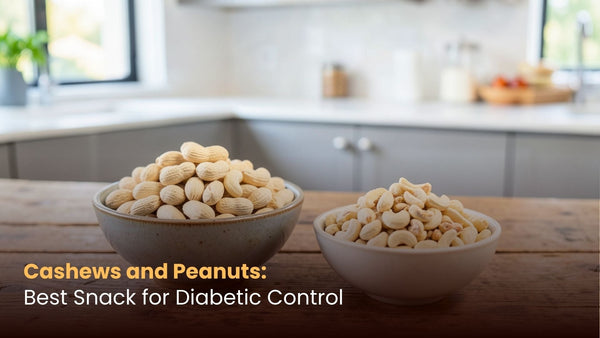
Cashews are tasty dry fruits. They are also good for the body. It contains iron that helps to improve haemoglobin levels and keeps the body energetic. Along with iron, cashews provide fibre, healthy fats, zinc and vitamin E. These nutrients support strong bones, better immunity and heart health. Instead of having packaged snacks, a handful of cashews is a healthy snack option. It keeps you full for a long time, and sustained energy is provided.
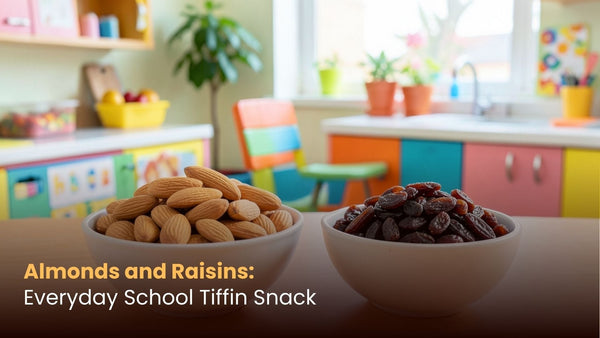
Almonds are brain food. As they are packed with nutrients like zinc, copper, and vitamins. Various people have soaked almonds in the morning, and they are beneficial for growing children as they make bones strong, support brain development and healthy skin.
These dry fruits are healthy and are rich in iron, vitamin B6, and antioxidants. It also have few calories content. They support heart health and help to improve blood levels in the body. As they include fibre and protein, and controls hunger and prevent overeating.
Dates
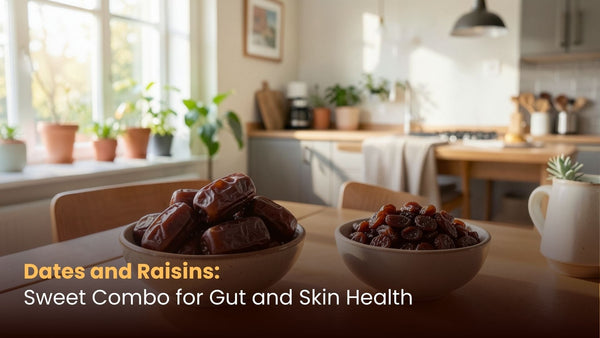
Dates are rich in iron and antioxidants. They are amazing to boost energy as they include natural sugar along with essential vitamins. Date is also high in fibre and help to prevent constipation. Eating 1-2 dates daily can help people who feel tired due to low iron levels.
Walnuts
Walnuts are like tiny brains and are good for brain health. They are also rich in protein, fibre, iron, and healthy fats. The healthy fats in walnuts support heart health, while iron helps to maintain healthy blood levels. Walnuts are also helpful in maintaining weight. To have raw walnuts are smart way to stay fit and full of energy.
Raisins and Seeds
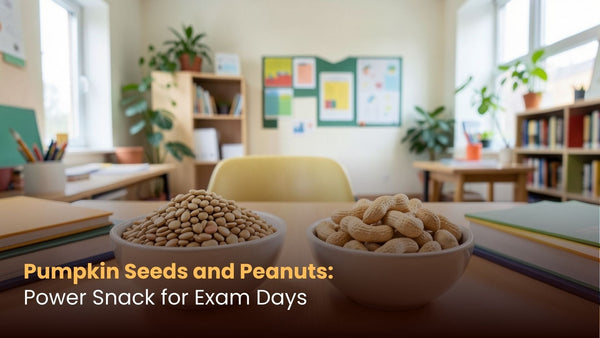
Raisins are dried grapes. As they help to improve digestion and support healthy blood levels. Specific seeds like sunflower and pumpkin seeds are good sources of iron. These tiny dry fruits are a powerful nutritional powerhouse. To add mix of dry fruits, seeds, and nuts to daily snacks can prevent iron deficiency in a natural manner.
How to Improve Iron Absorption from Dry Fruits
Dry fruits are non heme type of iron. This kind of iron is good for the body, but not absorbed easily with the iron found in meat. This means the body requires little help to take more of it. The good news is that it improves iron absorption by making a few simple changes in how you consume it.
Eat dry fruits with vitamin C
Vitamin C helps the body to absorb iron easily. Like having lemon juice with a bowl of dates or nuts, eat slices of oranges along with dry fruits, add amla pieces to the snack and drink a glass of lemon water after having dry fruits.
Avoid tea and coffee near meal time
Tea and coffee should be avoided. As they block the iron absorption. If you drink tea or coffee before or after having iron-rich dry fruits, your body cannot absorb as much iron as it needs. So, it is better to wait for one hour if you want to have tea or coffee. This simple change can help your body use more iron than you eat.
Soak certain dry fruits
Soaking dry fruits in water overnight helps to make them soft and easy to digest. When they are soaked, natural compounds make minerals hard to absorb. In the morning, have them along with soaked water. This way can help in the improvement in digestive system and allows the body to use nutrients more effectively.
Balance your meals
To eat dry fruits alone is good. But combining them with other healthy foods can make them better. Pairing dry fruits with protein sources like milk and curd help body absorb nutrients more efficiently. For example, have raisins and almonds with curd, mix chopped dates with nuts and seeds, and have a small handful of mixed dry fruits with a balanced breakfast.
When the meals are balanced with nuts, the body absorbs iron more smoothly. Even small changes in how foods can help the body get more iron. By adding vitamin C, adjusting drink timing, soaking dry fruits, eat balanced meals. All this helps the body to stay strong and full of energy.
Best Ways to Include Iron-Rich Dry Fruits in Your Diet
To have iron-rich dry fruits daily does not have to be boring. You don't require fancy recipes. Small and simple habits can make a big difference in keeping iron levels healthy. Below are some of the easy ways to include them in your diet daily.
Morning soaked mix
One of the easiest ways to eat iron-rich dry fruits by soaking them overnight. Take a few raisins, figs, dates and put them in water at night. In the morning, have them. This habit will improve energy and reduce tiredness.
Healthy snack bowl
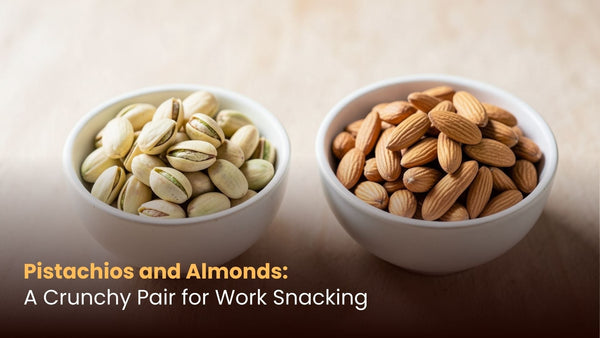
A small snack bowl of dry fruits. Mix them with a few almonds, pistachios, and cashews together. This mix provides iron, healthy fats, protein, and fibre. It also helps to remove cravings.
Add to your breakfast
It can easily mix dry fruits in daily breakfast. Chop the dates, raisins and sprinkle them over oatmeal, curd and cornflakes. This adds natural sugars without the use of extra sugar. It also increase iron content of the meal. So start the day with iron-rich foods that help you stay active and focused.
Blend into smoothies
If you like the milkshakes, add 1-2 dates while mixing. They also make a drink that is naturally sweet and more nutritious. This is a great option for children who don't like eating dry fruits in a direct manner.
Make simple energy bites
You can also prepare small handmade energy balls. Using the mashed or crushed nuts and seeds. Roll them into small balls and store them in the fridge. These can be consumed as an instant snack before study time. They are healthier than packaged sweets.
The most important thing is to remember that to eat a small amount daily is better than to eat harge amount once in a while. A little daily help to build and maintain healthy iron levels.
Who Is at Higher Risk of Iron Deficiency?
Few people require more iron than others. This way helps the body to grow, change or function. If the body does not get sufficient iron, it can lead to fatigue, weakness or pale skin.
Reproductive-age women
Women who have a period monthly. Since iron is important for red blood cells. So they can suffer from iron deficiency. If the iron is not replaced by food.
Pregnant women
During pregnancy, the woman's body also works harder. So, it provides support to the mother and the baby growing inside. The baby requires iron to grow properly, and as the demand increases, pregnant women need more iron than usual.
Growing children and teenagers
Children and teenagers grow quickly. So when the body grows tall and strong, it needs more blood. So, if kids don't eat enough iron-rich foods, they can feel tired and struggle with their studies. That is why a balanced diet is important in growing years.
Vegetarians and vegans
People who don't eat meat depend upon plant-based food for iron. And accordingly, meals are planned. To eat ron rich fry fruits, such as oranges, along with vitamin C can help the body absorb iron more.
People with long-term health problems
Some diseases affect the body's nutrients. Digestive issues make it hard for the body to take in iron from the food. Other conditions can cause slow blood loss inside the body. In such cases, iron levels can drop without the person realising it. So, regular medical check-ups can help to detect and manage this early.
Because these groups have higher iron needs or higher iron loss, they should pay closer attention to their diet. Eating iron-rich foods regularly and getting medical advice when needed can help prevent iron deficiency and keep the body strong and energetic.
Natural Iron vs Iron Supplements
Iron is an important mineral for the body. It helps to produce haemoglobin, a protein in the red blood cells that carries oxygen to every body part. Without sufficient iron, an individual can feel tired, weak and short of breath. When iron levels drop, it can lead to anaemia.
To correct the iron levels, people choose to increase them by natural foods or taking supplements. Both ways can help, but work differently for various situations.
What Is Natural Iron?
Natural iron is obtained from foods. It exists in two forms, heme and non-heme iron. Heme is found in animal-based foods like fish, meat and poultry and absorbed by the body easily. Non-heme iron is found in the plant based foods like spinach, beans, pumpkin seeds, and raisins. It is less absorbed efficiently than heme iron.
Dry fruits such as raisins, dates, apricots, and figs provide non-heme iron along with fibre and antioxidants. Although plant-based iron is not absorbed as easily, its absorption improves when paired with vitamin C-rich foods like oranges, amla, or lemon.
Benefits of Getting Iron Naturally
- Better overall nutrition Natural iron sources provide more than just iron. They also contain fibre, vitamins, minerals, and antioxidants that support digestion and immunity.
- Lower risk of side effects Iron from food is generally absorbed gradually. This reduces the chances of digestive discomfort, constipation, or nausea.
- Sustainable long-term approach Building iron levels through diet encourages healthier eating habits and supports long-term wellness.
- Safer absorption control Your body regulates iron absorption from food more efficiently, reducing the risk of excessive intake.
What Are Iron Supplements?
Iron supplements are tablets that contain concentrated iron. It is usually prescribed when blood tests show significant iron deficiency. The common forms include supplements that deliver a high dose of iron in a short time. It is often suggested that during pregnancy, recovery from the blood loss.
Benefits of Iron Supplements
Fast correction of the deficiency
Supplements increase iron levels more quickly than food alone. Especially in the moderate to sever anemia.
Correct dosage is recommended. Doctors prescribe the exact amount based on the blood test results.
It is useful in special cases, as people with absorption disorders can require supplements, as diet changes cannot be enough.
Potential Drawbacks of Iron Supplements
There can be various disadvantages of iron supplements, like-
Constipation
Stomach pain
Nausea
Dark stools
Taking iron without any medical supervision leads to iron overload. It can harm organs like the liver. But supplements must be taken when prescribed.
Absorption Differences
Iron from animal sources is absorbed more effectively then plant based iron. Non-heme iron absorption can be decreased by compounds like phytates and tannins. But to pair plant based iron with vitamin C improves the absorption. For example, adding lemon juice improves the uptake.
However, pairing plant-based iron with vitamin C significantly improves absorption. For example, adding lemon juice to spinach or eating citrus fruit alongside iron-rich foods enhances uptake. Supplements can bypass the dietary barriers, but can also improve the digestive system due to their concentrated nature.
When Is Natural Iron Enough?
Natural dietary iron can be sufficient when deficiency is mild, there are no underlying absorption issues, and the individual can consistently consume iron-rich foods. Some examples of iron-rich foods include spinach, chickpeas, pumpkin seeds, dates, raisins, etc.
Iron supplements are typically required when blood tests confirm moderate anaemia, pregnancy increases iron requirements, chronic blood loss is present, or medical conditions impair the absorption.
Natural Iron vs Supplements: Which Is Better?
There is no one size that fits all the answer. Natural iron is ideal for the prevention and long-term maintenance. It also supports the overall nutrition and carries few side effects. Iron supplements are effective in treating diagnosed deficiencies under medical supervision. They offer fast results that can cause temporary discomfort.
Potential Risks and Precautions
Iron-rich dry fruits like dates, figs, and raisins help to improve the iron intake naturally. They ae often suggested for people with low iron levels. But like all the nutrient-dense foods, it should be consumed in moderation.
1. Excess Iron Intake
The excess iron intake causes health issues. When the body stores too much iron, it can lead to a condition known as iron overload. This can affect the organs like the liver and heart.
Dry fruits can rarely cause excessive iron intake. But to combine iron-rich foods with iron supplements without a doctor's consultation can increase risk. People with iron tablets must consult a healthcare professional before increasing dietary iron.
2. High Sugar Content
Various iron-rich fruits like figs, dates, and raisins include high sugar content. The drying method removes the water and concentrated natural sugar. It makes it calorie-dense.
Excessive consumption can increase the blood sugar level, contribute to an increase in weight and affect the insulin control in people with diabetes. People who manage diabetes should check portion sizes and consider pairing dry fruits with nuts to slow sugar absorption.
3. Digestive Discomfort
Iron-rich dry fruits are high in fibre. While it supports digestion, a sudden increase in intake can cause bloating, gas, stomach pain, and loose stools. Slow inclusion in the diet helps to improve the digestive system gradually. To drink enough water alongside fibre-rich foods reduces discomfort.
4. Reduced Iron Absorption Due to Tannins and Phytates
Some plant-based foods include natural compounds, like phytoestrogens and tannins, that can decrease iron absorption. Tea and coffee consumed immediately after consuming iron-rich dry fruits can interfere with the iron uptake.
To improve absorption:
- Pair dry fruits with vitamin C-rich foods such as citrus fruits
- Avoid tea or coffee right after iron-rich meals
5. Risk of Allergic Reactions
While the less common than nut allergies, a few individuals can experience allergic reactions from specific dry fruits. Side effects like itching, swelling and difficulty in breathing. Anyone with a known food allergy must introduce dry fruits carefully.
6. Sulfites in Processed Dried Fruits
Certain commercially processed dry fruits contain sulfites, a preservative. Sulfites can trigger sensitivity in a few individuals, particularly those with asthma. Choosing preservative-free, naturally dry fruit options decreases this risk.
7. Kidney Stone Concerns
Few dry fruits contain a moderate amount of oxalates. For people who are prone to kidney stones, a very high intake is not advisable. To consult doctor is suggested in such cases.
8. Dental Health Considerations
Sticky dry fruits like raisins and dates can adhere to teeth. Natural sugars combined with poor oral hygiene can increse risk of tooth decay. Brushing or rinse the consumption help to maintain dental health.
Conclusion
To feel low on energy, tiredness and weak due to anaemia makes even simple daily tasks feel difficult. Sometimes this happens when the body does not have sufficient iron. Iron is essential as it helps the blood carry oxygen to different body parts. When oxygen does not reach properly, it can feel sleepy, dizzy and exhausted.
It can support the iron intake naturally also. Dates, raisins, dried apricots, and cashews contain iron along with other helpful nutrients. To add small portion of daily meals can be an easy way to improve nutrition.
Frequently Asked Questions
What are the best dry fruits to boost haemoglobin?
The best dry fruits to increase haemoglobin are dates, dried figs, dates. As they are concentrated sources of iron, vitamins and minerals that can fight against anaemia. To incorporate small amount daily can help in blood production in the body.
Is it possible for dry fruits to cure anaemia?
No, dry fruits alone cannot cure anaemia. Especially in the moderate to severe cases. They are a natural and beneficial part of iron rich diet. It helps to manage and support the recovery from iron deficiency anaemia. But they are not a replacement for the proper diagnosis and treatment.
How many dry fruits should someone with anaemia eat every day?
A small handful of dry fruits of 30-40 grams is healthy.
Are dry fruits helpful for kids with iron deficiency?
Yes, dry fruits are helpful for kids with iron deficiency. It serves as nutrient dense, convenient and natural snack to increase iron intake. The top choices to remove iron deficiency consist of raisins, figs, prunes and dates. It helps to increase the haemoglobin levels.
When is the best time to eat dry fruits to help with anaemia recovery?
The best time to eat dry fruits for anaemia recovery is in the morning at empty stomach as part of breakfast. Consuming soaked almonds, raisins, and dry figs in the morning increases iron absorption, improves digestion and provides sustained energy.
Which nuts are best for iron?
The best nuts that increase iron are cashews, almonds, and pistachios. It offers high and non- heme iron content. A 100 grams cashews serving provide iron, while almonds and pistachios increase haemoglobin, fight against anemia and are a powerful nutritional snack option.
How much dry fruit should be eaten daily for iron support?\
A small handful daily is sufficient. This can consist of 2-3 dates, raisins and dry figs. Eating too much can add excess calories and sugar. So moderation is necessary.
Are dry fruits enough to cure anaemia?
Dry fruits support the iron intake and may not be sufficient to cure the moderate anaemia. If someone has diagnosed with anaemia, needs iron supplements and medical support. Dry fruits work best as part of a nutritious daily diet.
Do dry fruits give instant energy?
Dry fruits offer quick energy. As they include natural carbohydrates. But unlike the sugary snacks, they also offer fibre and healthy fats. It helps to maintain sustained energy instead of causing sudden crashes.
What is the best way to include iron-rich dry fruits in meals?
You can add raisins to oatmeal, mix the dates into smoothies, and include figs in salad. Combine them with dry fruits and vitamin C-rich foods, such as oranges, which can help to improve iron absorption.

Share Your Thoughts