

India’s dry fruit market is crowded with legacy brands, aggressive pricing, and heavy discounts. Yet, a few modern brands are quietly building dominance through consistent quality, transparent sourcing, and customer trust. Krishival has emerged as one such brand, competing not just on price or visibility, but on repeat consumption, product integrity, and long-term customer loyalty. Understanding how its top-selling dry fruits perform against established competitors reveals why the brand continues to grow in a highly competitive segment.
Table of Contents
- Krishival’s Top-Selling Dry Fruits Overview
- How Krishival’s Top-Selling Dry Fruits Compete on Quality
- How Krishival’s Top-Selling Dry Fruits Compete on Pricing
- Sourcing and Supply Chain Advantages of Krishival’s Dry Fruits
- Packaging and Shelf Life Edge Over Competitors
- Customer Reviews and Loyalty Factors
- Market Share and Sales Data Comparison
- Marketing Strategies Behind Krishival’s Success
- How Krishival’s Top-Selling Dry Fruits Help It Compete With Leading Brands in India
- Conclusion
- FAQs
Krishival’s Top-Selling Dry Fruits Overview
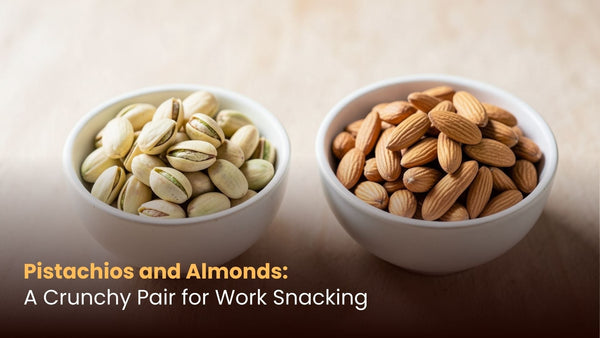
Krishival’s best-selling dry fruits typically include premium dry figs (anjeer), salted cashews, almonds, and pistachios—products with year-round demand and high repeat purchase rates. These categories contribute the majority of volume and revenue, driven by daily-consumption use cases rather than festive-only buying.
Unlike impulse or gifting-focused brands, Krishival’s top sellers are positioned for regular household use, making consistency and reliability more important than flashy packaging or short-term discounts.
How Krishival’s Top-Selling Dry Fruits Compete on Quality
Quality remains the strongest differentiator.
Krishival focuses on:
- uniform size grading
- minimal broken pieces
- controlled moisture levels
- natural taste without artificial enhancement
Dry figs, for example, are carefully sorted to avoid excessive dryness or stickiness—two common quality issues in the category. Cashews and almonds show lower oil rancidity compared to mass-market competitors due to fresher stock rotation and better storage handling.
This consistency builds trust, especially among health-conscious buyers who consume dry fruits daily.
How Krishival’s Top-Selling Dry Fruits Compete on Pricing
Krishival does not aim to be the cheapest brand. Instead, it follows value-based pricing.
Key pricing strengths include:
- competitive price per gram when adjusted for quality
- fewer hidden compromises (broken pieces, inferior grades)
- stable pricing instead of extreme discount cycles
When compared on usable product quality rather than sticker price, Krishival’s pricing often proves more economical for long-term buyers.
Sourcing and Supply Chain Advantages of Krishival’s Dry Fruits
A major advantage lies in sourcing discipline.
Krishival works with:
- region-specific suppliers for figs, almonds, and pistachios
- shorter procurement cycles to reduce ageing stock
- quality checks before packaging rather than post-complaint
This approach reduces variability in taste and texture, a common issue in brands that rely heavily on bulk importers or seasonal overstock.
Packaging and Shelf Life Edge Over Competitors
Packaging plays a critical role in dry fruit quality.
Krishival uses:
- airtight, resealable pouches
- food-grade inner linings
- moisture-resistant materials
These features protect products from humidity, oxidation, and contamination—especially important in Indian climate conditions. As a result, customers experience longer shelf life without quality deterioration, even after opening.
Customer Reviews and Loyalty Factors
Customer feedback consistently highlights:
- freshness on arrival
- consistent quality across repeat orders
- better taste compared to generic brands
Repeat purchases form a large share of sales, indicating loyalty driven by experience rather than promotions. This organic loyalty reduces dependency on aggressive advertising and discounting.
Market Share and Sales Data Comparison
Market share in the Indian dry fruits segment looks very different when viewed online versus offline. Legacy brands continue to dominate physical retail shelves because of long-standing distributor networks, bulk placement agreements, and brand recall built over decades. However, when sales data is observed across digital platforms, a different pattern emerges—one where digital-first brands like Krishival demonstrate stronger performance on key efficiency and loyalty indicators rather than sheer volume alone.
One of the most important metrics where digital-first brands outperform is repeat order rate. Online sales data shows that customers purchasing dry fruits through digital channels are more likely to reorder from the same brand if product quality remains consistent. In Krishival’s case, repeat orders are driven by everyday consumption categories such as figs, cashews, almonds, and pistachios. Once customers experience stable taste, freshness, and grading, they tend to return for refills rather than experimenting with alternate brands. This behaviour contrasts with offline purchases, where brand switching is often influenced by shelf placement, discounts, or availability rather than loyalty.
Average order value also tends to be higher for digital-first brands. Customers buying online usually purchase multiple products in a single transaction, either to reduce delivery frequency or to build a monthly supply. Krishival benefits from this behaviour because customers frequently bundle top-selling items like figs and cashews with other nuts and seeds. Over time, this increases basket size and improves revenue efficiency without relying on heavy discounting. Offline retail, by comparison, often sees smaller ticket sizes driven by impulse or single-item purchases.
Subscription-style buying behavior further strengthens market share stability for digital-native brands. Although not always structured as formal subscriptions, many customers follow a predictable reordering cycle, purchasing the same products every few weeks. Dry fruits used in daily diets naturally lend themselves to this pattern. Krishival’s consistent product experience encourages customers to treat their purchases as routine household replenishment rather than occasional indulgence. This predictability reduces customer acquisition costs and improves long-term value per customer.
Sales pattern analysis also shows a lower churn rate once customers switch from mass-market brands to quality-focused digital brands. In categories like dry figs and cashews, customers often leave legacy brands due to inconsistent quality, excessive dryness, or variable taste. After switching, they are less likely to return to their previous brand as long as quality expectations continue to be met. This retention trend plays a significant role in gradually shifting market share online, even if overall volume appears smaller compared to offline giants.
Overall, while legacy brands may still lead in absolute sales volume due to physical retail dominance, digital-first brands gain market share through stronger customer retention, higher order values, and predictable purchasing behaviour. These indicators suggest a structural shift in how consumers evaluate dry fruit brands—moving from brand familiarity and shelf visibility toward experience, consistency, and long-term value.
Marketing Strategies Behind Krishival’s Success
Krishival’s marketing success comes from a deliberate shift away from short-term visibility tactics toward long-term trust building. Instead of relying on celebrity endorsements or one-time viral campaigns, the brand focuses on creating informed, confident buyers who understand what they are consuming and why it fits into their daily lifestyle.
One of the strongest pillars of Krishival’s marketing approach is educational content around nutrition. Rather than promoting products with generic health claims, the brand invests in explaining how specific dry fruits support digestion, heart health, energy levels, and overall wellness. This includes content that breaks down nutrients such as fibre, healthy fats, minerals, and antioxidants in a simple, practical way. By helping consumers understand the role of dry fruits in everyday diets, Krishival positions itself as a knowledge-led brand rather than just a seller of packaged products.
Transparency in product descriptions further strengthens consumer confidence. Krishival clearly communicates details such as product grade, size consistency, texture expectations, and ideal use cases. Instead of vague marketing language, descriptions focus on what the customer will actually receive and how the product performs in real-life consumption. This reduces expectation gaps, lowers dissatisfaction, and builds credibility, especially among repeat buyers who value honesty over exaggeration.
Another key factor is clear usage-based positioning. Krishival does not market dry fruits as luxury or occasional items meant only for gifting or festivals. Instead, products are positioned around practical daily use cases such as morning nutrition, gut health support, heart-friendly snacking, and balanced diets for families. This approach aligns the brand with routine consumption habits, making Krishival part of a customer’s everyday wellness rather than an impulse purchase.
Together, these strategies attract informed buyers who actively seek quality, consistency, and health value. Such customers are more likely to research before purchasing, appreciate detailed information, and remain loyal once trust is established. Over time, this reduces dependency on discounts and advertising spend while strengthening brand equity through repeat purchases and word-of-mouth recommendations.
By focusing on education, transparency, and practical relevance, Krishival builds a marketing foundation that supports sustainable growth and long-term customer relationships rather than short-lived attention.
How Krishival’s Top-Selling Dry Fruits Help It Compete With Leading Brands in India
Krishival’s top-selling products act as entry points. Once customers experience quality consistency, they explore other categories within the brand. This creates a strong internal ecosystem where trust in one product drives adoption of others—something many larger brands struggle to achieve.
Conclusion
In a market dominated by scale-driven brands, Krishival competes through precision—better sourcing, tighter quality control, and products designed for everyday consumption rather than occasional gifting. Its top-selling dry fruits reflect a strategy focused on long-term trust rather than short-term visibility. This balance of quality, pricing discipline, and customer loyalty is what enables Krishival to stand strong against leading dry fruit brands in India.
FAQs
1. Why are Krishival’s dry fruits considered premium?
Krishival’s dry fruits are considered premium because of strict quality grading at multiple stages. Products are sorted based on size uniformity, moisture balance, and visual integrity to avoid broken, shrivelled, or over-dried pieces. This ensures consistent taste, texture, and appearance across batches, which is often missing in mass-market brands where quality varies significantly from pack to pack.
2. Are Krishival dry fruits suitable for daily consumption?
Yes, Krishival’s dry fruits are curated for everyday use rather than occasional gifting. The focus is on clean taste, digestibility, and consistent freshness, making them suitable for daily diets—whether consumed as a morning snack, added to meals, or used in nutrition-focused routines for adults, children, and seniors.
3. How does Krishival maintain freshness in its dry fruits?
Freshness is maintained through shorter sourcing cycles, proper storage conditions, and controlled inventory movement. Instead of holding stock for extended periods, Krishival prioritises faster rotation. Combined with airtight, resealable packaging, this reduces exposure to moisture, air, and oxidation, helping retain natural flavour and texture for longer periods.
4. Is Krishival more expensive than other dry fruit brands?
At first glance, Krishival may not always be the lowest-priced option. However, when compared on usable quality—such as fewer broken pieces, better grading, and consistent taste—the value proposition becomes stronger. Customers often find that they need less quantity to achieve the same satisfaction, making the overall cost comparable or even more economical over time.
5. Which Krishival products sell the most?
Among Krishival’s top-selling products are dry figs (anjeer), salted cashews, almonds, and pistachios. These items have steady year-round demand and high repeat purchase rates, indicating that customers rely on them for regular consumption rather than one-time purchases.
6. Does Krishival use preservatives in its dry fruits?
Krishival focuses on natural preservation methods such as proper drying, moisture control, and protective packaging. Instead of relying heavily on chemical preservatives, the emphasis is on maintaining product integrity through sourcing discipline and packaging technology, which helps preserve taste and shelf life naturally.
7. How does Krishival compete with large FMCG dry fruit brands?
Rather than competing purely on scale or aggressive discounting, Krishival competes on consistency, transparency, and repeat customer trust. Large FMCG brands often prioritize distribution reach, while Krishival prioritises controlled quality, customer feedback loops, and long-term loyalty—factors that strongly influence informed buyers.
8. Are Krishival dry fruits suitable for health-focused diets?
Yes, they are commonly included in heart-conscious, gut-friendly, and balanced nutrition plans. Because of their consistent quality and minimal processing, Krishival dry fruits are preferred by consumers who track portion control, nutritional intake, and ingredient purity as part of a health-focused lifestyle.
9. Where does Krishival source its dry fruits from?
Sourcing depends on the specific dry fruit and the region best known for its quality. Krishival works with region-specific suppliers to ensure optimal taste, texture, and nutritional profile. This flexible sourcing approach allows better control over quality compared to one-size-fits-all procurement models.
10. Why do customers switch to Krishival from other brands?
Most customers switch due to noticeable improvements in freshness, taste consistency, and overall product reliability. Over time, reduced quality fluctuations, better grading, and dependable experience build trust, encouraging repeat purchases and long-term brand loyalty with Krishival.

Share Your Thoughts