

India’s approach to health and nutrition has undergone a noticeable shift over the last decade. Consumers are moving away from calorie-dense, processed foods toward natural, nutrient-rich options that support long-term wellness. Dry fruits have emerged as everyday health essentials rather than festive indulgences. Among brands riding this shift, Krishival stands out for its bestselling products that align closely with modern health priorities such as heart care, immunity, and clean eating.
Table of Contents
- India's Evolving Health Landscape
- Krishival's Bestselling Dry Fruits Overview
- How Krishival’s Bestselling Dry Fruits Reflect Changing Health Preferences in India
- Nutritional Breakdown of Top Sellers
- Krishival’s Bestselling Dry Fruits and Heart Health Trends
- Immunity Boost from Krishival’s Bestselling Dry Fruits
- Rise of Plant-Based Diets and Krishival’s Bestselling Dry Fruits
- Consumer Stories and Case Studies
- Krishival’s Quality and Sourcing Edge
- Future Trends in Dry Fruits Consumption
- Conclusion
- Frequently Asked Questions
India's Evolving Health Landscape
India’s health landscape is being reshaped by lifestyle diseases, rising health awareness, and easier access to nutrition information. Concerns around heart health, diabetes, immunity, and digestive wellness have made people more conscious of what they eat daily. Traditional wisdom is merging with modern science, leading to renewed trust in foods that are natural, minimally processed, and nutrient-dense.
Dry fruits fit seamlessly into this transition. They are portable, shelf-stable, and packed with essential nutrients, making them ideal for urban professionals, fitness-focused individuals, and ageing populations alike.
Krishival's Bestselling Dry Fruits Overview
Krishival’s bestselling range typically includes almonds, figs (anjeer), pistachios, cashews, walnuts, and select seeds. These products consistently perform well because they cater to everyday consumption rather than occasional use.
What makes these products bestsellers is not just taste, but relevance. Each product serves a specific health need—be it heart health, digestion, sustained energy, or immunity—making them staples rather than luxury add-ons.
How Krishival’s Bestselling Dry Fruits Reflect Changing Health Preferences in India
Indian consumers today are prioritising preventive health over reactive treatment. Krishival’s top-selling dry fruits reflect this shift clearly. Almonds are chosen for heart and brain health, figs for digestion and mineral intake, and pistachios for balanced snacking.
There is also a clear move toward portion-controlled, nutrient-dense foods. Instead of fried snacks or sweets, consumers increasingly opt for small servings of dry fruits as daily nourishment, reflecting a broader mindset change toward mindful eating.
Nutritional Breakdown of Top Sellers
Krishival’s bestselling dry fruits share a common nutritional profile that aligns with current dietary needs.
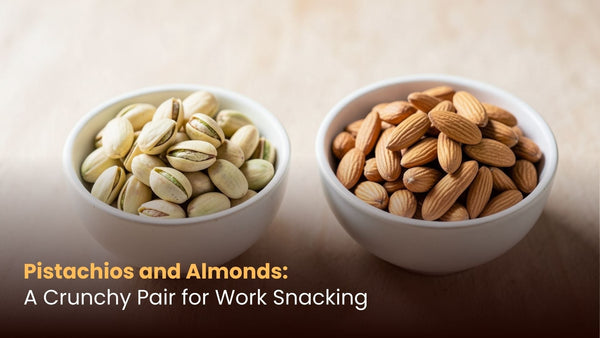
- Almonds provide healthy fats, vitamin E, and magnesium
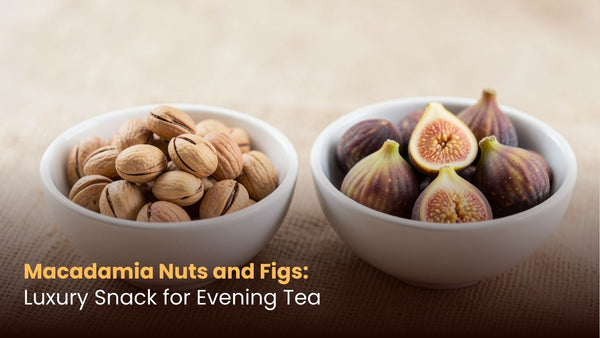
- Figs offer fibre, potassium, calcium, and natural antioxidants
- Pistachios deliver protein, fibre, and heart-friendly fats
- Walnuts are rich in omega-3 fatty acids
- Cashews supply energy, iron, and essential minerals
This combination supports heart health, digestive balance, immunity, and sustained energy—key concerns for modern Indian consumers.
Krishival’s Bestselling Dry Fruits and Heart Health Trends
Heart health is one of the biggest drivers behind dry fruit consumption in India today. Krishival’s top products naturally align with this need. Almonds and walnuts help manage cholesterol levels, while figs contribute potassium that supports blood pressure regulation.
As awareness around fats has improved, consumers now actively seek out nuts for their healthy fat profiles rather than avoiding them. This shift explains the consistent demand for nuts associated with cardiovascular support.
Immunity Boost from Krishival’s Bestselling Dry Fruits
Post-pandemic, immunity has become a daily priority rather than a seasonal concern. Dry fruits like almonds, figs, and pistachios provide antioxidants, zinc, iron, and vitamins that support immune response.
Regular consumption helps reduce oxidative stress and supports the body’s natural defence mechanisms. This functional benefit has made dry fruits a non-negotiable part of many households’ daily routines.
Rise of Plant-Based Diets and Krishival’s Bestselling Dry Fruits
Plant-based and flexitarian diets are growing rapidly across India, driven by health, sustainability, and ethical considerations. Krishival’s dry fruits naturally complement these diets by offering plant-based protein, healthy fats, and micronutrients that are often harder to obtain without animal products.
Dry fruits act as nutritional anchors in vegetarian and vegan diets, supporting muscle health, energy levels, and nutrient adequacy without reliance on supplements.
Consumer Stories and Case Studies
Many consumers turn to dry fruits after experiencing lifestyle-related health concerns. Office professionals replace packaged snacks with almonds and pistachios to manage energy crashes. Older adults include figs and walnuts to support digestion and heart health. Parents introduce dry fruits into children’s diets to improve nutrition without artificial additives.
These real-world use cases highlight how dry fruits are no longer occasional treats but everyday wellness tools.
Krishival’s Quality and Sourcing Edge
Quality and trust play a crucial role in repeat purchases. Krishival’s focus on sourcing, grading, and packaging ensures consistent taste, freshness, and nutritional integrity. Clean sourcing practices, careful storage, and minimal processing resonate strongly with consumers who read labels and value transparency.
This emphasis on quality is a major reason why certain products consistently emerge as bestsellers.
Future Trends in Dry Fruits Consumption
Future trends in dry fruits consumption in India indicate a clear shift from occasional, festive use to regular, everyday inclusion. Traditionally, dry fruits were associated with festivals, celebrations, or special occasions. That pattern is changing rapidly. More households are now treating dry fruits as part of their daily diet, similar to fruits, vegetables, or dairy. Morning routines that include soaked almonds or mid-day snacks featuring a small portion of nuts and figs are becoming common, especially among working professionals and health-conscious families. This transition reflects a broader understanding that consistent, moderate intake delivers long-term health benefits.
Another noticeable trend is the growing preference for raw, unsalted, and minimally processed dry fruits. Consumers are increasingly reading labels and avoiding products with added salt, sugar, oils, or artificial flavouring. Raw variants are perceived as closer to their natural form, retaining original nutrients without unnecessary processing. Unsalted nuts are especially favoured by individuals managing blood pressure, heart health, or sodium intake. Minimal processing also aligns with the clean-eating movement, where simplicity and transparency in food preparation are valued more than enhanced taste through additives.
Interest in the functional benefits of dry fruits is also expanding. Rather than viewing them as generic healthy snacks, consumers are now choosing specific dry fruits for targeted health outcomes. Almonds and walnuts are selected for heart health, figs for digestion and mineral intake, pistachios for balanced energy, and seeds for gut health. This function-driven approach mirrors trends seen in global nutrition, where food choices are increasingly linked to measurable health goals such as cholesterol management, improved digestion, or better immunity.
Dry fruits are also being integrated more deeply into everyday meal structures, particularly breakfast and snack routines. Instead of eating them on their own, people are adding dry fruits to oatmeal, smoothies, yoghurt, salads, and homemade energy bars. Breakfast is emerging as a key consumption window, with dry fruits used to enhance nutrition without relying on packaged cereals or sugar-heavy options. Snack times are also evolving, with dry fruits replacing fried or processed snacks, especially in office and school settings.
Trust and transparency are becoming critical factors influencing purchasing decisions. Consumers are more aware of quality differences related to the sourcing, storage, and handling of dry fruits. There is a growing demand for brands that clearly communicate origin, processing methods, and quality standards. Products that emphasise freshness, proper grading, and clean packaging tend to gain stronger loyalty. This shift favours brands that invest in supply chain transparency rather than competing solely on price.
As these trends converge, brands aligned with health education and clean nutrition are likely to lead the next phase of growth. Consumers increasingly expect brands to not only sell products but also guide them on portion sizes, usage, and health benefits. Brands that focus on informed consumption, quality assurance, and long-term wellness positioning are better placed to build trust and repeat purchase behaviour. In this evolving landscape, dry fruits are no longer viewed as indulgent extras but as essential components of modern, health-focused Indian diets.
Conclusion
Krishival’s bestselling dry fruits reflect a broader transformation in how India approaches health and nutrition. From heart care and immunity to plant-based living and mindful snacking, these products meet evolving consumer needs without compromising on tradition or taste. As health awareness continues to deepen, dry fruits are set to remain central to everyday Indian diets.
FAQs
1. Why are dry fruits gaining popularity in India?
Dry fruits are gaining popularity in India due to a growing shift toward preventive healthcare and natural nutrition. Rising cases of lifestyle-related conditions such as heart disease, diabetes, and obesity have made consumers more conscious of daily food choices. Dry fruits are perceived as clean, minimally processed, and nutrient-dense foods that offer long-term health benefits rather than short-term energy. Additionally, increased access to nutrition education through digital platforms has helped people understand the value of healthy fats, fibre, and micronutrients found in dry fruits. Their convenience and cultural acceptance further support their widespread daily use.
2. Which dry fruits are best for heart health?
Almonds, walnuts, and figs are among the most preferred dry fruits for heart health. Almonds help reduce LDL (bad cholesterol) and provide vitamin E, which protects blood vessels from oxidative damage. Walnuts are rich in omega-3 fatty acids that reduce inflammation and support healthy blood flow. Figs contribute potassium and fibre, which help regulate blood pressure and cholesterol absorption. When consumed in moderation, these dry fruits support multiple cardiovascular markers, making them suitable for long-term heart care.
3. Are dry fruits suitable for daily consumption?
Yes, dry fruits are suitable for daily consumption when eaten in appropriate portions. Despite being calorie-dense, they provide concentrated nutrition, including healthy fats, protein, fiber, and essential minerals. Daily intake supports consistent energy levels, better digestion, and improved nutrient intake. Portion control is important—small quantities are sufficient to gain benefits without excessive calorie intake. Incorporating dry fruits as snacks or meal add-ons works better than consuming them in large amounts at once.
4. How do figs support digestion?
Figs are especially beneficial for digestive health due to their high dietary fibre content. Fibre helps soften stools, promotes regular bowel movements, and supports overall gut motility. Figs also contain natural enzymes that aid digestion and reduce bloating. Regular consumption can help manage mild constipation and improve gut health over time. Dried figs, in particular, are often soaked before consumption to enhance digestibility and nutrient absorption.
5. Are Krishival’s dry fruits suitable for vegetarians?
Yes, the dry fruits offered by Krishival are completely plant-based, making them suitable for vegetarians and vegans. They serve as important sources of nutrients that are sometimes harder to obtain from vegetarian diets alone, such as healthy fats, iron, calcium, magnesium, and plant protein. Dry fruits also complement plant-based diets by providing sustained energy and supporting overall nutritional balance without relying on animal-derived products.
6. Do dry fruits help boost immunity?
Dry fruits contribute to immune health through their antioxidant, vitamin, and mineral content. Almonds provide vitamin E, which supports immune cell function. Figs and cashews offer iron and zinc, essential for immune response and recovery. Antioxidants present in many dry fruits help reduce oxidative stress, which can weaken immunity. Regular intake supports the body’s natural defence mechanisms, especially when combined with a balanced diet and healthy lifestyle.
7. Can children consume dry fruits daily?
Yes, children can safely consume dry fruits daily when portions are adjusted to their age and chewing ability. Dry fruits support growth, energy needs, brain development, and immunity in children. Finely chopped, soaked, or powdered dry fruits are often easier for younger children to consume. Parents commonly include dry fruits in breakfast meals, snacks, or homemade energy bites to improve nutritional quality without adding processed sugars.
8. Are dry fruits good for weight management?
Dry fruits can support weight management when eaten mindfully. Their combination of fibre, protein, and healthy fats promotes satiety, helping reduce frequent snacking and overeating. Unlike refined snacks, dry fruits release energy slowly, preventing sudden hunger spikes. However, because they are calorie-dense, portion control is essential. When used as replacements for unhealthy snacks rather than additions, dry fruits can positively support weight goals.
9. How should dry fruits be stored?
Dry fruits should be stored in airtight containers to protect them from moisture, air, and pests. They should be kept in a cool, dry place away from direct sunlight. For a longer shelf life, especially in warm or humid climates, refrigeration is recommended. Proper storage preserves freshness, taste, and nutritional quality while preventing rancidity or spoilage.
10. Will dry fruits remain a long-term health trend?
Yes, dry fruits are expected to remain a long-term health trend due to their strong nutritional profile, versatility, and alignment with modern dietary preferences. As consumers increasingly prioritise clean labels, plant-based nutrition, and functional foods, dry fruits continue to meet these expectations. Their adaptability across age groups, diets, and meal formats ensures sustained relevance in everyday nutrition rather than being limited to seasonal or festive consumption.






Share Your Thoughts