

When people talk about eating more protein. They usually think about food like chicken, fish, milk and eggs. But many dry fruits are natural and plant based option. That can provide your body with more than just protein. Along with protein, they also offer healthy fats, fibre, vitamins, and minerals that help the body grow strong.
Adding more dry fruits to daily meals supports muscle growth. If you are active or play sports. It helps repair muscles after exercise and gives sustainable energy. Unlike junk snacks, dry fruits nourish the body while keeping it full for longer.
Table of contents
- Why Protein Is Essential for Muscle Growth and Energy
- How Dry Fruits Support Muscle Recovery and Performance
- Top High-Protein Dry Fruits for Muscle and Energy
- Best High-Protein Dry Fruits for Pre-Workout and Post-Workout
- Daily Protein Requirements and Portion Guidance
- How to Include High-Protein Dry Fruits in Your Diet
- Benefits Beyond Protein: Heart, Brain, and Immunity Support
- Potential Risks and Portion Control
- How to Choose and Store High-Quality Dry Fruits
- Conclusion
- Frequently Asked Questions
Why Protein Is Essential for Muscle Growth and Energy
Protein is important for the body to build muscle and energy. When you exercise and lift weights, tiny tears in muscles happen. Protein also helps repair those tiny tears. It also makes muscles stronger than before. That is how muscle growth happens over time.
High protein dry fruits such as almonds, pistachios, walnuts and peanuts gives body plant-based protein. Along with protein, it contains nutrients like magnesium and iron. Magnesium helps the muscles to relax after exercise and reduces muscle cramps. Iron helps to carry oxygen in the blood, that give more stamina and energy. Healthy fats in the daily diet provide long-lasting energy.
Dry fruits are calorie-dense. This means that a small handful provides lots of energy. This is helpful for people who try to gain muscle and need extra calories. Instead of depending on protein powder only. Adding dry fruits in diet is simple and natural to support muscle growth.
How Dry Fruits Support Muscle Recovery and Performance
Dry fruits support muscle recovery and performance. When you exercise, play sports muscle work hard. So tiny muscles fibre get slightly damaged during activity. This is normal and help muscle to grow and become stronger. But muscles to repair and grow properly body requires right nutrients. This is where the dry fruits help.
Various dry fruits, especially nuts like walnuts, almonds and peanuts contains protein. After a workout, protein helps to repair tiny muscle tears and support muscle growth. Without sufficient protein, muscles can feel sore for a long time, and recovery can take more time.
Dry fruits contain healthy fats too. These fats are necessary as they offer long-lasting energy. When you play sports or train for a long time, your body uses the energy from both fats and carbohydrates. Healthy fats in nuts help to keep energy sustained.
Raisins and dates provide natural sugar. These sugars provide instant energy before exercise. After a workout, the body needs to be refilled. Eating a few dates along with nuts helps restore energy and provides protein for muscle repair.
Top High-Protein Dry Fruits for Muscle and Energy
The top high-protein dry fruits are a simple way to increase daily protein intake. Without depending on protein powders or heavy meals. Protein helps to build and repair muscles and keeps the energy all day.
Almonds – A Strong Everyday Choice
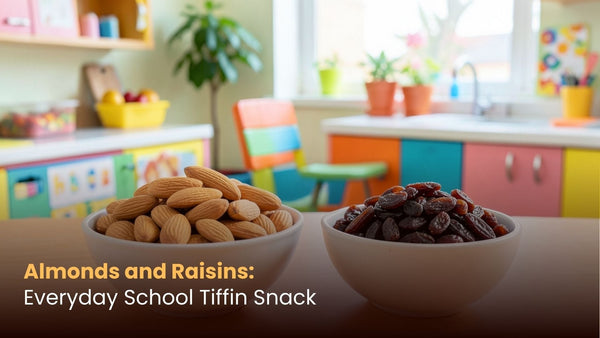
Almonds offer 21 grams of protein per 100 grams. This means that a handful give body a good protein intake. They are also rich in vitamin E, healthy fats and fibre. Almonds also help to keep the heart healthy, improves skin health. A steady energy is provided. Dry fruits can be consumed raw, roasted or soaked.
Pistachios – Small Size, Big Nutrition
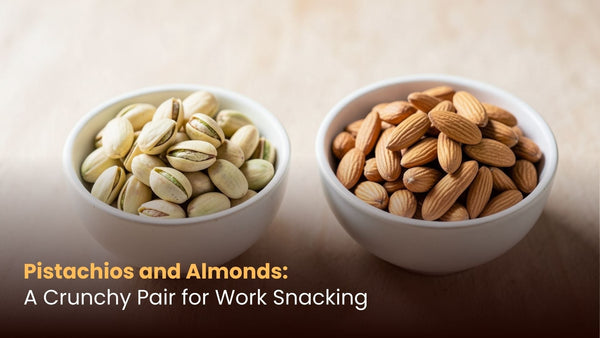
Pistachios include 20 grams of protein per 100 grams. They are also high in fibre and antioxidants. As you usually remove the shell before eating. This helps to eat slowly and control the portions. Pistachios are also great to have after sports practice as they help muscles to recover and refill the energy.
Walnuts – Brain and Muscle Support
Walnuts offer 15 grams of protein. They are especially famous for the omega-3 fatty acids that are good for the brain and heart. Eating walnuts daily can improve focus and memory. While it also supports muscle repair.
Cashews – Creamy and Filling
Cashews also contain around 18 grams of protein. They are rich in iron and magnesium that help muscles to function properly. Cashews taste creamy and sweet. So they are easy to enjoy as a snack.
Peanuts – Affordable Protein Source
Peanuts are high in protein. As they are excleelnt source to repair muscles and keep you full for longer. You can eat them roasted or as peanut butter on toast. They are also one of budget friendly protein options.
Chia Seeds – Tiny but Powerful
Chia seeds contain around 17 grams of protein. They also include fibre and omega-3 fats. When mixed with water, they have gel like texture that makes them perfect to add to smoothies. Sunflower Seeds – Good for Skin and Recovery
Sunflower seeds are good for skin and recovery. They contain 21 grams of protein per 100 grams. They are also rich in vitamin E and help to recover muscles after physical activity.
Pumpkin Seeds – Extremely Protein Rich
Pumpkin seeds are the highest plant protein seeds. It offers 30 grams per 100 grams. They also contain zinc that supports immunity. Fitness lovers include pumpkin seeds in their diet for muscle growth.
Brazil Nuts – Selenium Boost
Brazil nuts are rich in selenium that supports thyroid health. Only a few Brazil nuts are sufficient as they are concentrated.
Fox Nuts (Makhana) – Light and Crunchy
Fox nuts are low in calories compared to many other nuts. It also makes a light, crunchy snack option.
Flaxseeds – Heart-Friendly Protein
Flaxseeds are rich in omega-3 fatty acids and fibre. It also supports heart health and digestion. Ground flaxseeds are added to smoothies and yoghurt.
Quinoa – A Complete Plant Protein
Quinoa is considered a complete plant protein. It also includes all the essential amino acids. Quinoa can also be added to salads, soups and breakfast bowls.
Best High-Protein Dry Fruits for Pre-Workout and Post-Workout
High-protein dry fruits are helpful before and after a workout. They offer body natural fuel that is made up of protein, healthy fats and carbohydrates. These nutrients help to feel energetic during the workout and help muscles recover afterwards. The best part is that they are natural foods and don't depend on artificial powders.
Pre-Workout: Energy and Stamina Support
Before you begin to exercise, your body needs energy to move, lift, run. It also needs protein to protect the muscles from breaking down. But you don't need to eat something too heavy that makes you feel uncomfortable.
Pistachios are a smart pre-workout snack. As they contain proteins and carbohydrates. This combination helps to stay active throughout the day. Almonds are also a good option. Eating a handful of them can make you feel steady and strong.
Post-Workout: Muscle Repair and Recovery
After the exercise, muscles need to repair. So when you run or play a sport. Protein helps to protect muscles from the stress caused by intense activity. Cashews help in muscle relaxation and recovery. There are walnuts that contains plant based protein. Omega-3s help to reduce swelling and soreness.
For better recovery, dry fruits should be consumed with milk, curd or a smoothie. This adds more protein and help body to recover fast. To eat a handful within 30 minutes after exercise is a good habit.
Daily Protein Requirements and Portion Guidance
It is important to know the protein requirements of the body. Before relying on high-protein dry fruits. As it will help to repair muscles, support growth and keep you strong. The amount you require depends upon age, body weight and activeness.
For a person who dont exercise much and sits the whole day, the general suggestion is 0.8 grams. And if someone plays sports, goes to the gym regularly, their protein needs are increased. Active people need between 1.2 and 2 grams of protein.
How Do Dry Fruits Fit Into Daily Protein Needs?
Dry fruits are not complete protein sources. But still offers a good amount of plant-based protein. They also provide healthy fats and minerals. All this supports the energy and recovery.
Portion Guidance for Muscle and Energy
Dry fruits are healthy. They are also high in calories. So, portion is necessary to avoid excess calories. A good rule to eat is one small handful at a time and 1-2 servings per day.
If you try to gain muscle, add dry fruits to breakfast, and mix them into smoothies. After the exercise, combine with other protein foods to support muscle repair.
Instead of eating a large amount at once, spreading them throughout the day helps your body digest them better and use the nutrients more effectively. Remember, regular small portions are better than eating too much at one time. Balance and consistency are more important than quantity.
How to Include High-Protein Dry Fruits in Your Diet
To add protein-rich dry fruits to daily meals is easy. They can simply fit into a routine. These foods provide body energy and support muscle growth.
Morning meals
Begin by adding them to breakfast. Mix them into oatmeal, cereal, or a smoothie. This makes breakfast more filling and gives sustained energy.
Before exercise
If you exercise or go for a walk, peanuts and pistachios can help. They provide energy and help to stay active even before feeling tired too soon.
After exercise
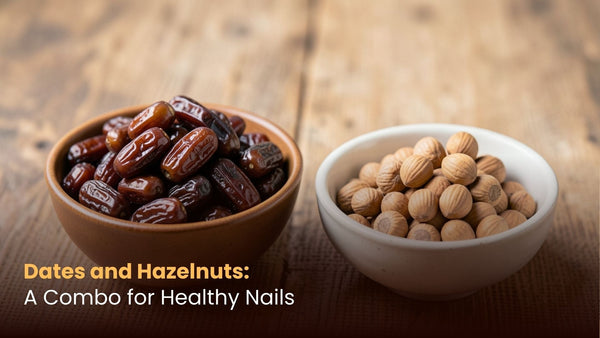
The muscles need nutrients to recover. You can eat walnuts with a few dates. The dates give instant energy, and walnuts provide protein and healthy fats that support recovery.
Snacks for the school or travelling
You can make your own trail mix using the peanuts, almonds, and pumpkin seeds. Homemade protein bars can also be made.
In regular meals
Dry fruits can be added to curd, salads and rice dishes. Cashews can make sauces, and pumpkin seeds can add crunch to salads.
Benefits Beyond Protein: Heart, Brain, and Immunity Support
High-protein dry fruits focus on muscle growth and energy. But dry fruits are not just about protein. They also include vitamins, healthy fats, minerals and antioxidants. These nutrients help the heart, brain and immune system work better. A small power-packed food supports the body, not just muscles.
Heart health support
The heart works nonstop daily. So, it requires the right nutrients to stay strong. Nuts like pistachios, walnuts, and almonds contain healthy fats called monounsaturated and polyunsaturated fats. These fats are good ones as they control bad cholesterol levels in the blood.
Walnuts are helpful as they contain omega-3 fatty acids. These special fats help reduce inflammation in the body and support healthy blood flow. Almonds and pistachios contain magnesium and potassium. These minerals help to maintain normal blood pressure and supports steady heartbeat.
When you select a handful of dry fruits instead of chips, you are providing your body with something healthy.
Brain function and mental focus
Brain required healthy fats and vitamins. To think clearly and have focus. Walnuts improve brain health as of omega 3 content, that support the memory and learning. Almonds are rich in vitamin E, an antioxidant that helps to protect brain cells from damage.
Various dry fruits contain vitamin B. These vitamins help the body to convert food into energy and support nerve function. This means better focus on school, improves alertness and steady mental energy daily.
Immunity strengthening
Dry fruits help to strengthen the immune system. As they include antioxidants that fight harmful molecules. Minerals are also included, such as iron, zinc, and selenium. Iron helps to carry oxygen in the blood. Zinc supports the immune system so that the body responds quickly to infections.
When you eat dry fruits daily in small amounts, it helps your body stay stronger and prepared to fight illness. Overall, the high-protein dry fruits are not just good for muscles. They support the heart, sharpen the brain and strengthen the immune system. A small handful every day to make a big impact over time.
Potential Risks and Portion Control
High-protein dry fruits are healthy. As they provide the body with protein, healthy fats and minerals. But these are to be consumed in the right amount. The big thing is to remember that dry fruits are small. But powerful in calories. When fruits are dried, water is removed. So, a small handful can look tiny but contains lots of energy. If you eat a large amount, it can lead to weight gain.
Dry fruits also contain fats. These healthy fats support the heart. Raisins and dates contain natural sugars. Sometimes these sugars can raise blood sugar levels. So, to mix them with other nuts is better and needs balance. To eat a large amount at once can also cause stomach issues. Since dry fruits include fibre. People who are allergic to nuts should avoid them completely.
For most people, one small handful daily is sufficient. Instead of eating straight from the big packet, take a small portion in a bowl. This simple habit helps to enjoy the benefits by avoiding overeating.
How to Choose and Store High-Quality Dry Fruits
To choose good quality dry fruits is important. To provide the body with the right nutrition. Since dry fruits contain natural oils and concentrated nutrients, poor storage can spoil them quickly.
When buying the dry fruits, look at how they appear. Nuts like almonds, walnuts and pistachios should have a clean colour. They should not look dark, pale or broken. These dry fruits should feel firm and slightly crisp. Dry fruits like raisins, figs and apricots can look soft and slightly plump.
Next is to check the smell. Fresh dry fruits can have a light, natural aroma. If they smell sour, it means they have spoiled. Nuts that taste bitter often mean the natural oils inside have spoiled. Always read the label on the packaged dry fruits. Look at the manufacturing date and expiry date. Choose the products that are tightly sealed and free from added sugar, too much salt and artificial flavours. These extra ingredients decrease the health advantages.
Conclusion
High-protein dry fruits are a good and healthy snack option. To grow a strong body. Add the dry fruits daily to the meals. Such as almonds, walnuts, pistachios and cashews. It includes healthy fats, protein and minerals. To support muscle repair after an intense workout. Dry fruits offer sustained energy. This helps to stay active for a longer time.
Frequently Asked Questions
Which dry fruit has the highest protein?
The dry fruit with the highest protein is pumpkin seeds. Along with peanuts and almonds.
Which nuts are high in protein?
Nuts that are high in protein are almonds, walnuts and cashews.
Are dry fruits effective for muscle building?
Dry fruits are effective for muscle building. As they are a mixture of protein, healthy fats, and fibre. As they support the muscle repair, recovery and growth.
Can dry fruits replace protein supplements like whey protein?
Dry fruits can be a partial replacement for whey protein. As they contain natural and plant-based protein.
How much protein should I consume from dry fruits daily? 30-50 grams of protein forms a mixture of high-protein dry fruits. It depends on dietary requirements. It is advised to support overall nutrition and energy levels.
Are dry fruits suitable for weight loss diets?
Yes, dry fruits are suitable for weight loss. If consumed in moderation, they are calorie-dense.
Can children consume high-protein dry fruits safely?
Yes, dry fruits are a healthy snack option for children. But young kids can consume them in powdered form.
Do dry fruits have any side effects?
Dry fruits have side effects. Like, if consumed in large quantities can lead to digestive issues.
What is the best way to store dry fruits to retain protein and nutrients?
The best way to store dry fruits is in airtight containers in a dry place. To avoid exposure to moisture and sunlight. To preserve the protein content and avoid spoilage.
Can beginners eat dry fruits for muscle gain?
Yes, beginners can eat dry fruits for muscle gain. But these are suitable for all fitness levels.




Share Your Thoughts