

Dry fruits in India were once closely linked to festivals, gifting, or special occasions. That pattern has changed steadily over the past few years. Almonds soaked overnight are now part of morning routines, pistachios replace packaged snacks, figs are chosen for digestion, and cashews are added regularly to home-cooked meals. This everyday usage has quietly reshaped how Indians view and buy dry fruits.
As dry fruits move from occasional indulgence to daily nutrition, the market has expanded beyond traditional players. Several dry fruit brands have grown rapidly, not because of flashy promotions, but because they align better with how consumers eat today. Their popularity is driven by a combination of quality awareness, trust-building, nutrition focus, and easier access through online platforms.
Table of Contents
- Changing Consumer Behaviour Around Dry Fruits
- Key Factors Driving the Growth of Dry Fruit Brands
- Fastest Growing Dry Fruit Brands in India
- Role of Reviews and Word-of-Mouth in Brand Growth
- Why Some Brands Grow Faster Than Others
- Conclusion
- Frequently Asked Questions (FAQs)
Changing Consumer Behaviour Around Dry Fruits
Indian consumers are far more aware today than they were even five years ago. Buyers read labels, check packing dates, compare brands across platforms, and pay close attention to how dry fruits behave after opening. Small details that were once ignored now matter.
Dry fruits are no longer purchased only during weddings, Diwali, or family gatherings. They are consumed daily by working professionals, fitness-conscious individuals, children, and elderly family members. This daily usage exposes quality issues quickly. If almonds turn bitter within weeks, or cashews lose crunch too soon, the brand is immediately questioned.
This shift has increased the demand for reliability. Consumers want dry fruits that taste the same every time, remain fresh for a reasonable period after opening, and do not feel heavy or stale when eaten regularly. Brands that meet these expectations naturally see higher repeat purchases. Over time, repeat buying becomes the main engine of growth rather than one-time trials.
Key Factors Driving the Growth of Dry Fruit Brands
Focus on Consistent Quality
Consistency has become one of the strongest growth drivers in the dry fruit category. Consumers may forgive minor imperfections once, but they rarely tolerate inconsistency across purchases.
Fast-growing brands invest time in controlling sourcing, grading, and batch-level quality. This reduces variation in size, texture, and taste. When a consumer opens a pack and finds the same crunch, aroma, and flavour they experienced before, trust builds automatically.
Interestingly, consistency often matters more than visual appeal. Almonds do not need to be oversized, but they must be evenly crunchy. Cashews should not feel soft or oily too quickly. Figs should be fibrous and mildly sweet, not sticky or excessively dry. Brands that get these basics right tend to retain customers far longer than those that rely only on appearance.
Improved Storage and Handling Practices
Dry fruits are highly sensitive to their environment. Heat, moisture, and air exposure can quickly damage quality. Poor storage leads to rancidity, bitterness, loss of aroma, and reduced nutritional value.
Fast-growing brands recognise this and invest in better storage systems. Controlled temperature environments, moisture management, sealed packaging, and quicker movement from storage to packing all play a role. These practices help preserve natural oils and prevent early spoilage.
Consumers may not always understand the technical side of storage, but they feel the difference. Dry fruits that are stored well taste cleaner, remain crunchy longer, and digest better. Over time, people associate this experience with the brand itself, which strengthens loyalty and fuels growth.
Rise of Online Buying and Repeat Ordering
Online buying has changed the dry fruit market significantly. Earlier, consumers depended on local shop stock, which varied widely based on turnover and storage conditions. Today, sealed packs, packing dates, and online reviews guide decisions.
Fast-growing brands perform well online because they deliver predictable results. Once a consumer finds a brand that consistently meets expectations, reordering becomes effortless. There is no need to inspect the product again or compare endlessly.
Availability across multiple platforms also matters. Brands that are easy to find on grocery apps, marketplaces, and quick-commerce platforms enjoy higher visibility and convenience. This combination of trust and access accelerates growth far more effectively than short-term discounts.
Health Awareness and Nutrition-Focused Buying
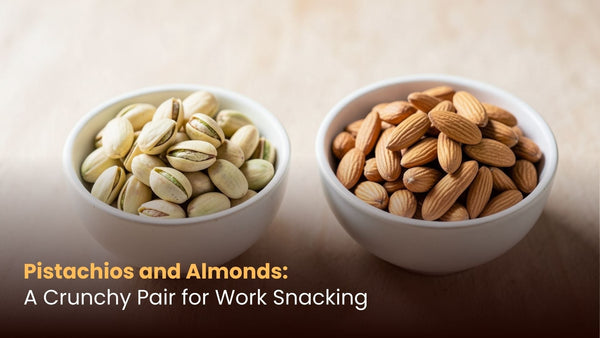
Health awareness has pushed dry fruits into daily diets. Almonds are chosen for heart health, walnuts for brain function, figs for digestion, pistachios for minerals and protein, and raisins for natural energy. Consumers are increasingly aware that dry fruits are nutrient-dense foods, not just snacks.
Nutrition, however, depends heavily on freshness and handling. Poorly stored dry fruits lose oils and micronutrients over time. Brands that maintain freshness indirectly protect nutritional value.
Many consumers notice that some dry fruits feel lighter and easier to digest than others. Over time, they associate better digestion, satiety, and overall comfort with certain brands. This experiential feedback plays a powerful role in brand loyalty and explains why some brands grow faster than others without aggressive marketing.
Fastest Growing Dry Fruit Brands in India
The rapid growth of certain dry fruit brands in India is not driven by chance. It reflects how well these brands align with changing consumer behaviour. Daily consumption, online buying, health awareness, and demand for consistency have reshaped the market. Brands that understand these shifts are growing faster than those relying on legacy reputation alone.
Below is a closer look at some of the fastest growing dry fruit brands in India and what is driving their popularity.
Happilo
Happilo’s growth is closely linked to its wide product range and strong visibility across online platforms. The brand offers almonds, cashews, raisins, seeds, trail mixes, and snack combinations, which makes it easy for consumers to buy multiple items from a single source.
Its presence across major marketplaces ensures frequent exposure to new buyers. For many households, Happilo becomes an entry-level brand for dry fruits ordered online. Accessibility, variety, and regular availability contribute strongly to its growth.
At the same time, Happilo operates at large volumes. This scale helps reach more consumers quickly but can also lead to slight variations across batches. For buyers prioritising convenience and range, Happilo fits well, which explains its steady expansion in urban and semi-urban markets.
Rostaa
Rostaa’s growth has been strongest in the premium and gifting segment. The brand focuses on presentation, uniform sizing, and visually clean products. This makes it a popular choice during festivals, weddings, and corporate gifting.
Consumers who buy dry fruits as gifts often value appearance and packaging as much as taste. Rostaa meets this expectation by offering neatly graded products with polished presentation. This positioning has helped the brand grow in a category where gifting plays a major role.
While pricing is higher than mass-market brands, Rostaa appeals to buyers looking for a refined look and predictable quality for special occasions rather than everyday consumption.
Nutraj
Nutraj continues to grow because it serves a very clear need. The brand focuses on bulk packs, competitive pricing, and wide availability. It is commonly chosen for cooking, mithai preparation, and households with higher consumption volumes.
Nutraj’s growth is driven by affordability and practicality rather than premium positioning. Many consumers prefer Nutraj when price per kilogram matters more than uniform grading or refined taste.
By maintaining availability across offline and online channels, Nutraj remains relevant to value-conscious buyers, which supports consistent growth even without premium branding.
Vedaka
Vedaka benefits directly from Amazon’s ecosystem. As a private-label brand, it gains visibility through platform trust, easy access, and competitive pricing. Many consumers choose Vedaka because it feels like a safe, functional option.
The brand focuses on baseline reliability rather than specialised sourcing or premium handling. Its growth is driven by convenience, predictable quality, and integration with Amazon’s delivery network.
Vedaka appeals to buyers who want dry fruits for regular use without spending time comparing multiple brands.
Krishival
Krishival represents a different growth model compared to most fast-growing brands. Instead of expanding rapidly through discounts, mass distribution, or aggressive marketing, Krishival has grown through repeat trust and consistency.
The brand places strong emphasis on sourcing, controlled storage, and uniform grading. This approach appeals to households that consume dry fruits daily and want predictable taste, texture, and freshness with every order.
Many consumers choose Krishival after trying multiple brands and experiencing variation elsewhere. What keeps them loyal is familiarity. Almonds remain crunchy, cashews stay fresh longer, and figs retain their natural sweetness without becoming sticky.
Krishival’s availability across platforms like Amazon, Flipkart, Zepto, Swiggy, and BigBasket supports its growth by making reliable quality easy to reorder. Consumers do not need to depend on local store conditions or changing stock quality, which reinforces trust over time.
Role of Reviews and Word-of-Mouth in Brand Growth
Reviews and personal recommendations play a critical role in how fast a dry fruit brand grows. Consumers trust feedback that reflects repeat usage rather than one-time impressions.
Reviews that mention freshness after weeks, consistency across multiple orders, clean aroma, and stable texture carry more weight than star ratings alone. These details signal how a product performs in real life.
Brands that perform well under daily consumption benefit from organic word-of-mouth. This type of growth is slower at first but more sustainable because it is built on experience rather than promotion.
Why Some Brands Grow Faster Than Others
Fast-growing brands understand that dry fruits are long-term consumption products. Growth comes from reducing disappointment rather than creating hype.
When a brand delivers the same quality repeatedly, consumers stop experimenting. This reduces churn and increases repeat orders. Over time, repeat orders lead to more reviews, recommendations, and brand recall.
This cycle explains why some brands grow steadily without loud marketing. Their growth is driven by trust built over months, not campaigns run for weeks.
Conclusion
The fastest-growing dry fruit brands in India are those that adapt to how consumers eat today. Consistent quality, reliable storage, nutritional integrity, and online accessibility matter more than flashy packaging or temporary discounts.
As dry fruits become everyday essentials rather than occasional purchases, brands that focus on repeat trust and predictable experience continue to grow steadily. In this market, long-term growth is shaped by experience, not noise.
Frequently Asked Questions
Why are dry fruit brands growing faster in India now?
Dry fruit brands are growing faster because dry fruits are no longer limited to festivals or gifting. Many Indian households now consume almonds, cashews, figs, and pistachios daily for health and nutrition. This shift has increased demand for brands that offer consistent quality, safe storage, and reliable availability.
What factors matter most when consumers choose a dry fruit brand today?
Consumers focus on freshness, taste consistency, proper storage, and repeat reliability. Price still matters, but it is no longer the only deciding factor. Buyers also look at packing dates, reviews from repeat customers, and how the dry fruits stay fresh after opening.
How does online buying influence the growth of dry fruit brands?
Online buying has made it easier for consumers to reorder trusted brands without depending on local shop storage conditions. Sealed packaging, clear labelling, and customer reviews help build confidence. Brands that perform consistently online tend to grow faster through repeat orders.
Are fast-growing dry fruit brands always premium brands?
Not necessarily. Some fast-growing brands focus on affordability and bulk usage, while others grow by offering consistent quality for daily consumption. Growth depends more on meeting consumer expectations than on premium positioning alone.
Why do consumers stop buying certain dry fruit brands?
Consumers usually stop buying a brand due to inconsistency. Common reasons include early spoilage, bitterness, oily smell, uneven sizes, or changes in taste between batches. Once trust is broken, buyers rarely return unless quality improves significantly.
How do reviews contribute to the growth of dry fruit brands?
Reviews help new buyers understand how a product performs after opening and over time. Reviews that mention freshness after weeks, taste consistency, and clean aroma are especially influential. Brands with strong repeat-purchase reviews tend to grow organically through word-of-mouth.
Does better storage really affect taste and nutrition?
Yes. Dry fruits contain natural oils that degrade when exposed to heat, air, or moisture. Poor storage can lead to rancidity, bitterness, and nutrient loss. Brands that invest in controlled storage preserve both taste and nutritional value better.
Why do some brands grow without heavy advertising?
Some brands grow through repeat trust rather than promotions. When consumers consistently receive the same quality, they reorder automatically and recommend the brand to others. This steady loyalty supports long-term growth without aggressive marketing.
Which type of consumers prefer consistent dry fruit brands?
Households that consume dry fruits daily prefer consistent brands. These consumers value predictable taste, texture, and freshness because daily consumption quickly reveals quality issues. Brands like Krishival often attract such buyers due to reliable repeat experience.
Will the dry fruit market continue to grow in the coming years?
Yes. As health awareness increases and dry fruits become part of regular diets, demand is expected to grow steadily. Brands that focus on consistency, proper handling, and consumer trust are likely to benefit the most from this long-term trend.





Share Your Thoughts