

Dry Fruits for Hair Growth: Nuts and Seeds for Strong Hair
Discover the best dry fruits, nuts, and seeds that support hair growth, reduce hair fall, and strengthen hair roots naturally with essential nutrients.
Hair issues like hair fall or dull hair have become common today. Busy schedules, stress and unhealthy eating habits can affect hair health. Various people try diverse shampoos, oils and hair products in hopes to fix the problem. While these products help to have healthy hair inside the body.
Hair needs proper nutrition to grow strong and healthy. Just like the plants need good soil, water to grow well, hair require right vitamins and minerals. If the body does not have enough nutrients, hair may become weak, fall out easily and lose its natural shine.
One simple way to support healthy hair is to improve the diet. Certain foods include nutrients that help to strengthen the hair roots, improve scalp health and support natural hair growth. Among these foods, dry fruits are useful. Even though small in size, dry fruits are packed with essential nutrients like healthy fats, antioxidants, vitamins and minerals.
Table of Contents
- Why Nutrition Matters for Healthy Hair
- Key Nutrients That Support Hair Growth
- Best Nuts for Hair Growth and Strong Roots
- Best Seeds for Hair Growth and Scalp Health
- How Dry Fruits Help Reduce Hair Fall
- Nutritional Comparison of Nuts and Seeds for Hair Health
- How to Include Hair-Friendly Dry Fruits in Your Daily Diet
- Daily Recommended Portion for Hair Health
- Potential Side Effects and Precautions
- Conclusion
- Frequently Asked Questions
Why Nutrition Matters for Healthy Hair
Healthy hair depends upon shampoos, oils and hair treatments. The real foundation of healthy, shiny hair begins with proper nutrition. Just like the rest of the body, hair also requires essential nutrients to grow, repair itself and stay strong.
Hair grows from the tiny structures in the skin called hair follicles. These follicles need a sustained nutrient supply through the bloodstream. When the body receives enough nutrients, hair follicles remains healthy. When the body lacks these nutrients, hair growth slows down, and issues like breakage, thinning and excessive hair fall can begin to appear. Protein is also an important nutrient for hair health. Hair is mainly made of protein called keratin. If the body does not get enough protein from food, it may not produce enough keratin. This can weaken hair structure. This can lead to fragile hair that breaks easily. Iron is another important nutrient that supports healthy hair.
Key Nutrients That Support Hair Growth
Healthy hair growth depends upon proper nutrition. Hair strands, mostly of protein and hair roots need a sustained supply of vitamins and minerals. When the body lacks important nutrients, hair can become weak or start falling out more easily. Eating foods rich in these nutrients helps hair roots become strong and promotes better hair growth.
Protein is one of the essential nutrients for hair. Hair is made from a protein called keratin. If the body does not get enough protein from food, hair growth can slow down, and strands can become thin and brittle. Nuts like almonds and cashews offer plant-based protein that helps to support hair structure.
Iron is another nutrient for healthy hair. Iron helps red blood cells to carry oxygen to diverse body parts, including hair follicles. These follicles are tiny openings in the scalp where the hair grows. Dry fruits like dates, figs, and raisins provide natural iron that supports blood circulation and hair health.
Vitamin E also plays an important role in protecting hair and scalp cells from damage. It acts as an antioxidant, which means it helps protect the body from harmful molecules called free radicals. These free radicals help to weaken the hair roots and damage hair follicles over time. Nuts like almonds and seeds are rich in vitamin E, which helps to maintain scalp health and support hair strength.
Biotin is also known as vitamin B7. It is another nutrient associated with hair health. As it help body convert food into energy and support the keratin production. It is a protein that forms the hair. Various nuts and seeds include biotin in small amounts. And this contributes to hair nourishment.
Zinc is an important mineral that supports repair and growth. It also helps to maintain oil glands around the hair follicles. These glands produce the natural oils that keep the scallop moisturised and healthy. When the zinc levels are low, scallop becomes dry, and hair can fall easily. Cashews and pumpkin seeds provide zinc that supports the scalp balance.
Omega-3 fatty acids are healthy fats. It helps to nourish the scalp and hair follicles. These fats support scalp hydration and help to reduce dryness. A well-nourished scalp create better environment for hair growth. Walnuts and certain seeds are known sources of beneficial fats.
Magnesium and selenium are the minerals that support hair health. Magnesium helps to improve blood circulation that allows nutrients to reach the scalp more effectively. Selenium acts as an antioxidant and helps to protect the cells from damage. When the body recieves balanced mix of these nutrients, hair roots become strong, and hair strands grow healthy. It includes nutrient-rich dry fruits and seeds in the daily diet. It can also provide important nutrients naturally.
Best Nuts for Hair Growth and Strong Roots
Nuts are among the best natural foods. As it support hari growth and strengthens hair roots. They are packed with important nutrients like protein, vitamins and minerals. It nourished the scalp and hair follicles. Hair roots need proper nutrition to grow strong strands, and nuts offer many nutrients needed for the process. It includes a small quantity of nuts in the daily diet. It can also help tos support healthy and strong hair over time.
Almonds
Almonds are considered to be the best nuts for hair health. They are also rich in vitamin E that is known to protect the hair follicles. It causes damage caused by environmental stress and free radicals. Vitamin E improves the blood circulation in the scalp and helps to deliver oxygen and nutrients to the hair roots.
These dry fruits contain protein and magnesium. As it supports hair growth by helping to maintain healthy hair follicles. While the protein helps to build the structure of hair strands. Eating a handful of almonds daily strengthens hair roots and improves hair texture.
Walnuts
Walnuts are another type of nut for hair growth. As they include omega-3 fatty acids that are healthy fats.
Walnuts are another excellent nut for hair growth. They contain omega-3 fatty acids, which are healthy fats that nourish the scalp and help keep hair hydrated. A well-nourished scalp creates a better environment for hair growth and helps prevent dryness and breakage.
Walnuts also provide biotin, a nutrient often associated with stronger hair. Biotin helps support keratin production, which is the protein that forms the structure of hair. Regular consumption of walnuts may contribute to stronger hair roots and healthier hair strands.
Cashews
Cashews support hair health as it includes zinc, iron and magnesium. And zinc plays an important role in repairing damaged hair follicles and supports healthy hair growth cycles. Iron helps to carry oxygen to the scalp that supports the roots and decrease risk of hair weakness caused by nutrient deficiency.
This dry fruit also contains healthy fats. It helps to maintain scalp hydration. A well-hydrated scalp can help to prevent the dryness and flakiness that affects hair growth.
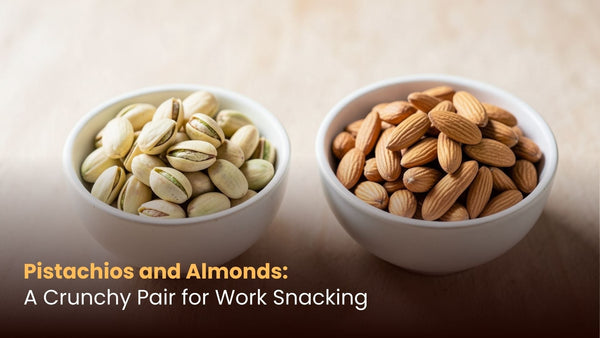
Pistachios
Pistachios are rich in protein, fibre and antioxidants. It supports the overall hair health. Protein is as important as hair, which is made of keratin. Enough protein intake helps to maintain strong hair strands and reduces breakage.
Pistachios also contain vitamin E and biotin, which help protect hair follicles and support healthy hair growth. Their nutrient combination makes them a useful addition to a balanced diet for maintaining stronger hair roots.
Brazil Nuts
Brazil nuts are known for their selenium content. Selenium is a mineral that supports scalp health and helps to protect hair follicles from damage. It is caused by oxidative stress. Proper selenium intake supports a healthy hair growth cycle.
Best Seeds for Hair Growth and Scalp Health
Seeds may look tiny, but they contain many nutrients that are helpful for healthy hair and a strong scalp. Hair roots need proper nourishment to grow thick and strong strands. Seeds provide healthy fats, vitamins, and minerals that support the hair follicles and improve the condition of the scalp. When these nutrients reach the scalp through the bloodstream, they help hair roots stay strong and active.
Adding different seeds to your daily meals can help supply important nutrients like omega-3 fatty acids, iron, zinc, and vitamins. These nutrients support hair growth, improve scalp health, and protect hair from damage. Below are some of the most beneficial seeds that support hair growth naturally.
Chia Seeds
Chia seeds are well known for their high content of omega-3 fatty acids. These healthy fats play an important role in maintaining the scalp barrier. A healthy scalp barrier helps retain moisture and prevents dryness or irritation. When the scalp stays hydrated, hair roots receive better nourishment.
Omega-3 fatty acids also help reduce inflammation in the scalp. This is important because scalp inflammation can sometimes weaken hair follicles and affect hair growth. Regular consumption of chia seeds may help improve hair shine and overall hair strength. Chia seeds can easily be added to smoothies, yoghurt, oatmeal, or soaked overnight and eaten with breakfast.
Flaxseeds
Flaxseeds are another excellent source of omega-3 fatty acids. These fats help maintain a natural protective layer around the hair strands called the hydro-lipid layer. This layer helps seal moisture inside the hair and protects it from dryness and external damage.
Flaxseeds also contain fibre and plant compounds that support overall health. When the body receives proper nutrients, it helps support healthier hair growth. Ground flaxseeds are often easier to digest and can be mixed into cereals, salads, or smoothies.
Pumpkin Seeds
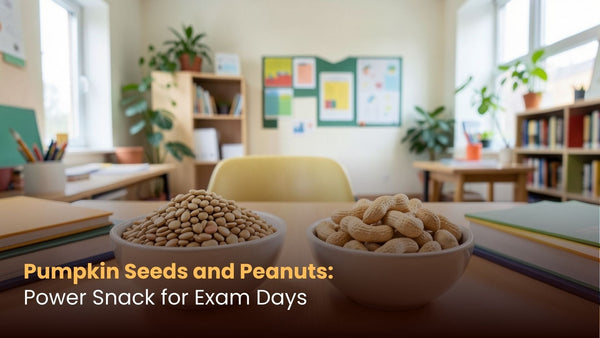
Pumpkin seeds provide important minerals such as iron and zinc, both of which are closely connected to hair health. Iron helps carry oxygen through the blood to different parts of the body, including the hair roots. When hair follicles receive enough oxygen, they can produce stronger and healthier hair strands.
Zinc plays an important role in maintaining healthy hair follicles. It helps the body produce proteins that support hair structure and also supports the oil glands around hair follicles. These oil glands help keep the scalp naturally moisturised. A lack of zinc may sometimes contribute to hair thinning or slower hair growth.
Pumpkin seeds are easy to include in the diet. They can be eaten as a snack, added to salads, or sprinkled on soups and breakfast bowls.
Sesame Seeds
Sesame seeds are another rich natural source of iron and zinc. Both minerals play important roles in supporting hair growth and scalp health. Zinc helps repair damaged hair follicles and supports the production of hair proteins. Iron supports healthy blood circulation, which helps deliver oxygen and nutrients to hair roots.
Sesame seeds also contain antioxidants that help protect the scalp from damage caused by environmental factors such as pollution and stress. They can be added to salads, stir-fries, or traditional dishes to improve both taste and nutrition.
Sunflower Seeds
Sunflower seeds are especially known for their vitamin B5 content, also called pantothenic acid. Vitamin B5 helps nourish hair follicles and supports stronger hair roots. When hair follicles receive enough nourishment, they remain active and can continue producing healthy hair strands.
Sunflower seeds also provide vitamin E and healthy fats, which help support scalp health. Vitamin E acts as an antioxidant that protects scalp cells from damage. Healthy fats help maintain moisture and improve the overall condition of the scalp.
Sunflower seeds can be enjoyed roasted as a snack or sprinkled over salads, yoghurt, and cereals.
How Seeds Support Hair Growth
Seeds support hair growth by providing nutrients that help hair follicles stay in the active growth stage. Hair grows in cycles, and when follicles receive proper nourishment, they can stay in the growth phase longer. This can help support thicker and stronger hair over time.
Healthy fats help maintain scalp moisture and prevent dryness. Minerals like zinc help repair hair follicles and support protein production. Iron ensures that hair roots receive enough oxygen to function properly. Together, these nutrients create a healthy environment for hair growth.
For best results, including a small portion of mixed seeds in the daily diet can be beneficial. Around 25 to 30 grams of seeds per day is often enough to provide useful nutrients without adding excessive calories. Combining different seeds allows the body to receive a wider range of vitamins and minerals that support overall hair health.
How Dry Fruits Help Reduce Hair Fall
Hairfall is a common issue that many people experience. Due to stress, poor diet, pollution, hormonal changes, etc., one of the most important factors for healthy hair is balanced intake of vitamins and minerals. Dry fruits are a concentrated source of important nutrients that help to nourish the scalp from within. When these nutrients reach the hair follicles through the bloodstream, stronger roots are supported, and healthy hair growth occurs.
Daily consumption of dry fruits provides the body with important nutrients. Like iron, zinc, and antioxidants. These nutrients support the various biological processes that help to maintain hair growth cycle and decrease hair fall.
Mechanisms by which dry fruits support hair health
Dry fruits help to decrease hair fall by various physiological mechanisms that support the scalp and hair follicles.
Oxygen delivery and improved blood circulation
Various dry fruits contain iron that plays an important role in haemoglobin production. It is also responsible to carry oxygen by blood to different parts of the body, including hair follicles. Hair follicles require oxygen and nutrients to remain active and produce healthy hair strands. When the body lacks iron, the supply of oxygen to follicles becomes limited. This can weaken follicles and can lead to hair thinning. Including iron-rich dry fruits in the diet helps to support healthy blood circulation and oxygen delivery to the scalp.
Keratin Production and Follicle Strength
Hair strands are made of a structural protein called keratin. For the body to produce keratin effectively, it needs nutrients like biotin, zinc and other supporting minerals. Dry fruits offer several nutrients that help to strengthen hair roots and support follicle repair. Biotin helps to improve keratin production. Enough intake of nutrients helps hair strands to remain strong and less prone to breakage.
Protection from Oxidative Stress
Oxidative stress occurs when harmful molecules known as free radicals. The scalp and hair follicles are affected by oxidative stress caused by factors like stress, pollution and unhealthy lifestyle habits.
Dry fruits contain antioxidants like vitamin E that help to protect cells in the body. Antioxidants neutralise the free radicals and help to maintain healthy hair follicles. When follicles remain healthy, they are more capable of supporting strong hair growth.
Scalp Barrier Maintenance
Healthy hair growth also depends on a well-nourished scalp. The scalp contains a natural protective layer called the hydro-lipid barrier, which helps maintain moisture and protects the scalp from irritation.
Certain dry fruits contain omega-3 fatty acids and healthy fats that support this protective layer. These fats help keep the scalp hydrated and reduce dryness, dandruff, and inflammation. A healthy scalp environment helps hair follicles function properly and reduces the risk of excessive hair fall.
Healthy hair growth depends upon well nourished scalp. The scalp contains a natural protective layer called the hydro-lipid barrier. It helps to maintain moisture and protects the scalp from irritation.
Certain dry fruits contains omega 3 fatty acids and healthy fats. It supports this protective layer. These fats help to keep the scalp hydrated and decrease dryness, inflammation and dandruff. A healthy scalp environment helps hair follicles function properly and decrease risk of excessive hairfall.
Nutritional Comparison of Nuts and Seeds for Hair Health
Both the nuts and seeds are amazing natural foods. It supports the helthy hair growth. They provide various range of nutrients that help nourish hair follicles, strengthen hair roots and maintains healthy scalp. Hair is made of protein called keratin, and for hair to grow strong and healthy. The body require protein, healthy fats, vitamins and minerals. Nuts and seeds supply various nutrients in concentrated amounts.
Protein Content for Hair Strength
Protein plays an important role in maintaining healthy hair because hair strands are made mostly of keratin. Nuts such as almonds, pistachios, and cashews contain plant-based protein that helps support the growth and repair of hair tissues. When the body receives enough protein, hair strands are less likely to become weak or break easily.
Seeds such as pumpkin seeds and sunflower seeds also contain protein, though usually in slightly smaller amounts than nuts. However, they still contribute to overall protein intake and help support hair structure when eaten regularly.
Healthy Fats and Scalp Nourishment
Healthy fats are essential for keeping the scalp hydrated and supporting hair shine. Nuts like walnuts and almonds contain monounsaturated and polyunsaturated fats that nourish the scalp and help maintain the natural oils around hair follicles. These oils help prevent dryness and protect hair from damage.
Seeds such as chia seeds and flaxseeds are particularly rich in omega-3 fatty acids. Omega-3 fats help reduce inflammation in the scalp and support healthy blood circulation. Improved circulation allows nutrients to reach the hair follicles more efficiently, encouraging healthier hair growth.
Vitamins That Support Hair Growth
Vitamin E is one of the most important vitamins for hair health, and nuts are a particularly rich source of it. Almonds, for example, provide a significant amount of vitamin E, which helps protect hair follicles from damage caused by environmental stress and oxidative damage.
Seeds also provide important vitamins that support hair health. Sunflower seeds contain vitamin B5 (pantothenic acid), which helps nourish hair follicles and maintain healthy hair growth cycles. B vitamins are important because they support energy production in cells, including those involved in hair growth.
Minerals That Strengthen Hair Roots
Minerals are essential for maintaining strong hair roots and preventing hair thinning. Nuts and seeds both provide minerals such as zinc, magnesium, iron, and selenium.
Pumpkin seeds are especially rich in zinc, which helps maintain healthy hair follicles and supports the production of hair proteins. Zinc also helps regulate the oil glands around hair follicles, which keeps the scalp moisturised.
Iron is another important mineral for hair health. It helps red blood cells carry oxygen to hair roots. When the body lacks iron, hair follicles may receive less oxygen, which can contribute to hair shedding or slower hair growth. Seeds like sesame seeds and nuts like cashews provide moderate amounts of iron.
Magnesium, found in nuts such as cashews and almonds, supports several body processes, including protein synthesis and energy production. These processes are important for maintaining strong and healthy hair.
Fibre and Overall Nutritional Support
Although fibre does not directly affect hair growth, it supports digestion and nutrient absorption. Proper digestion ensures that the body can effectively absorb vitamins and minerals needed for hair health.
Both nuts and seeds contain dietary fibre, which supports gut health and helps maintain balanced blood sugar levels. Balanced blood sugar can help prevent sudden energy drops and support overall nutritional balance, which indirectly benefits hair health.
Why Combining Nuts and Seeds Is Beneficial
Each nut and seed offers a unique combination of nutrients. Almonds provide vitamin E and protein, walnuts provide omega-3 fatty acids, pumpkin seeds provide zinc, and chia seeds supply healthy fats. When these foods are combined in the diet, they provide a broader spectrum of nutrients that support hair health.
Including a small portion of mixed nuts and seeds in daily meals can help nourish the scalp, strengthen hair follicles, and support healthier hair growth over time. This balanced approach ensures that the body receives the variety of nutrients required to maintain strong, shiny, and resilient hair.
How to Include Hair-Friendly Dry Fruits in Your Daily Diet
Adding dry fruits to your daily meals can be a simple and natural way to support healthier hair. Hair needs proper nutrients such as protein, iron, zinc, healthy fats, and vitamins to grow strong and stay shiny. Dry fruits contain many of these nutrients, which help nourish the scalp, strengthen hair roots, and support healthy hair growth. However, it is important to include them in the right quantity and in the right way to get the most benefits.
Daily Serving and Selection Guidelines
Dry fruits are highly nutritious, but they are also calorie-dense. This means that even a small amount provides a lot of energy. For this reason, moderation is important. A daily serving of about 25 to 30 grams of dry fruits is generally considered sufficient for most people. This amount provides important nutrients without adding excessive calories.
Including a variety of dry fruits in your diet is also helpful. Instead of eating only one type every day, try mixing four or five different varieties. Each dry fruit contains different vitamins and minerals that support hair health. For example, almonds provide vitamin E, walnuts offer omega-3 fatty acids, raisins contain iron, and figs supply calcium and fibre. Combining different options helps the body receive a wider range of nutrients that support hair growth.
It is also important to choose natural varieties of dry fruits. Unsalted, unflavoured, and unfried dry fruits are the healthiest options. Many packaged snacks contain added salt, sugar, or artificial flavours that reduce the nutritional benefits. Choosing natural versions ensures that your body receives the full value of the nutrients.
Preparation Techniques for Better Nutrient Absorption
The way dry fruits are prepared can influence how easily the body absorbs their nutrients. One of the most common and effective preparation methods is soaking. Soaking dry fruits like almonds, raisins, and figs overnight in water makes them softer and easier to digest.
For almonds, soaking also helps remove compounds called tannins that are present in the skin. These compounds can sometimes reduce nutrient absorption. When almonds are soaked, and the skin is removed, the body can absorb their nutrients more easily.
Raisins and figs become softer and slightly sweeter after soaking, making them easier to eat in the morning. Soaked dry fruits are also gentler on the digestive system and can help the body absorb vitamins and minerals more efficiently.
Another useful technique is pairing iron-rich dry fruits with foods that contain vitamin C. Vitamin C helps the body absorb iron more effectively. For example, raisins or dates can be eaten with fruits like oranges, berries, or tomatoes. This combination improves the absorption of iron, which supports healthy blood circulation and nourishes hair follicles.
How to Include Specific Dry Fruits in Your Diet
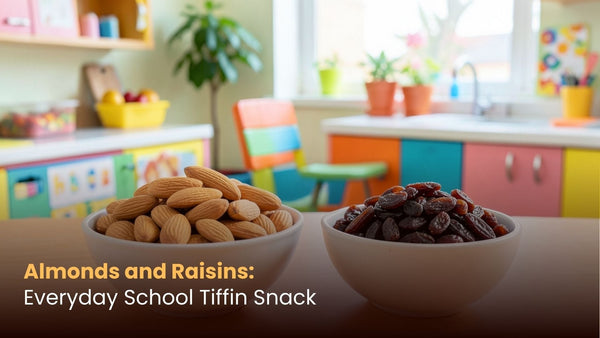
Different dry fruits can be included in daily meals in simple ways. Almonds are commonly eaten after soaking overnight. Five or six soaked almonds in the morning can provide vitamin E and healthy fats that support scalp health. Almond powder can also be added to smoothies or milk to increase nutrition.
Walnuts are another excellent option for hair health. Two or three walnuts per day can provide omega-3 fatty acids that help maintain scalp hydration. They can be eaten as a snack or crushed and sprinkled over salads, yoghurt, or breakfast bowls.
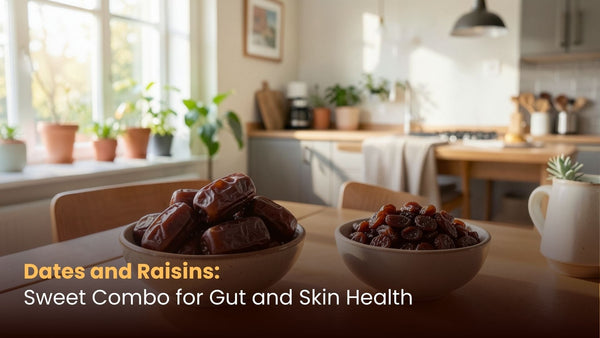
Raisins are rich in iron and natural sugars that provide quick energy. A small handful of soaked raisins can be eaten in the morning or mixed into oatmeal, cereals, or healthy desserts.
Dates are naturally sweet and provide iron, fibre, and minerals. Two or three dates can be eaten as a snack during the day or chopped and added to breakfast oats or smoothies.
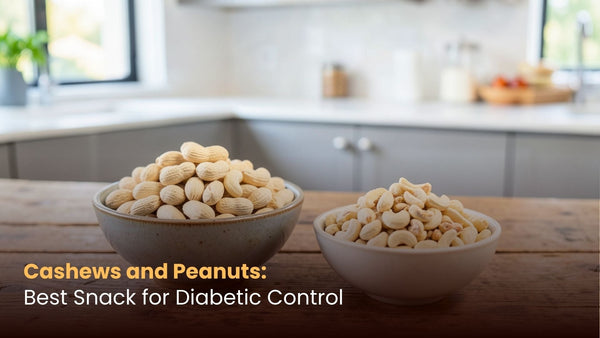
Cashews provide magnesium and healthy fats that support overall nutrition. Four or five cashews can be enjoyed as an evening snack or added to salads and stir-fries.
Figs, also known as anjeer, are rich in calcium, iron, and fibre. Two or three soaked figs in the morning can support digestion and provide nutrients that contribute to overall health, including hair health.
Pistachios are another nutritious addition. A small handful of unsalted pistachios can be eaten as a snack or blended into homemade nut spreads and desserts.
Meal Integration Ideas
Dry fruits can easily be added to everyday meals without making major changes to your diet. One of the easiest ways to include them is during breakfast. Chopped dates, raisins, or figs can be mixed into oats, cereals, or yoghurt. This not only improves taste but also adds fibre and nutrients.
Smoothies are another convenient way to consume dried fruits. Almond powder, soaked raisins, or chopped dates can be blended into fruit smoothies to create a naturally sweet and nutritious drink.
Dry fruits also work well in salads and yoghurt bowls. Crushed walnuts, almonds, or cashews can be sprinkled over fresh salads to add texture and healthy fats. They can also be added to yoghurt for a simple and nutritious snack.
For quick snacks, keeping a small mix of nuts and dry fruits can be very helpful. A small portion of mixed dry fruits can provide energy during busy workdays or long school hours while supporting overall nutrition.
Why Consistency Matters
Adding dry fruits to your diet occasionally may not show noticeable results immediately. Hair health improves gradually when the body consistently receives the nutrients it needs. Eating small portions of dry fruits daily helps ensure that the body gets regular supplies of vitamins, minerals, and healthy fats.
Over time, this balanced intake of nutrients can help nourish the scalp, strengthen hair roots, and support healthier hair growth. Consistency, along with a balanced diet and healthy lifestyle habits, plays an important role in maintaining strong and healthy hair.
Daily Recommended Portion for Hair Health
For maintaining healthy hair and reducing hair fall, a balanced intake of dry fruits and nuts can play an important role. Experts often recommend consuming a small daily mix of about 4–5 different types of dry fruits, with a total quantity of roughly 25–30 grams per day. This portion provides essential nutrients without adding excessive calories to the diet. For example, you may include 5–6 almonds (preferably soaked overnight), 2–3 walnuts, 2–3 dates, 4–5 cashews, 2–3 dried figs, and a small handful of pistachios. These dry fruits supply important nutrients such as healthy fats, vitamins, minerals, and antioxidants that help nourish hair follicles and support scalp health. Including a variety of nuts and dry fruits ensures that the body receives a wider range of nutrients that contribute to stronger hair roots and improved hair texture.
In addition to dry fruits, maintaining proper levels of essential micronutrients and protein is also important for hair growth. Nutrients such as zinc, iron, vitamin D3, vitamin B5, vitamin B12, and biotin play key roles in maintaining healthy hair follicles and preventing excessive hair shedding. For example, the body generally requires 8–11 mg of zinc daily, while iron levels (measured as ferritin) should ideally be around 70 ng/mL or higher to support healthy hair growth. Adequate vitamin D3 levels between 25–40 ng/mL also support hair follicle activity. Along with these vitamins and minerals, protein intake is essential because hair is primarily made of keratin, a type of protein. Most nutrition experts recommend consuming around 0.8–1.2 grams of protein per kilogram of body weight daily, with at least 1 gram per kilogram considered important for supporting hair growth and overall health. A balanced diet that includes sufficient protein, micronutrients, and dry fruits can therefore help maintain stronger, healthier hair over time.
Potential Side Effects and Precautions
When using supplements or nutrient-dense foods to support hair health, it is important to follow the correct dosage and understand how different nutrients interact in the body. Certain minerals and vitamins are helpful for hair growth, but taking them in excessive amounts can cause unwanted side effects. For example, zinc supports hair repair and follicle health, but consuming more than about 40 mg per day may lead to problems such as nausea, stomach discomfort, headaches, and even hair loss due to mineral imbalances. High zinc intake can also reduce the body’s ability to absorb iron, which is another important nutrient for hair health. Vitamin B5 (pantothenic acid) is commonly used to support hair follicles, but extremely high doses can cause digestive issues such as diarrhoea and may disturb the balance of other B vitamins in the body.
Biotin supplements are also widely used for hair growth, but experts recommend using them only when a confirmed deficiency exists, as unnecessary supplementation may cause side effects or interfere with certain laboratory tests.
Apart from supplements, dietary habits and lifestyle choices also influence hair health. Dry fruits and nuts provide useful nutrients but are calorie-dense, so the recommended intake is usually around 25–30 grams per day to avoid excessive calorie consumption and unwanted weight gain. It is better to choose raw or dry-roasted varieties rather than salted or heavily processed ones, which may contain extra sodium or unhealthy fats. Certain beverages, such as tea or coffee, can also reduce iron absorption if consumed in large amounts, which may affect the benefits of an iron-rich diet. Medical factors must also be considered before starting supplements.
People with kidney conditions, individuals taking certain medications, or pregnant women should consult a healthcare professional before using high-dose supplements. Lifestyle habits such as smoking and vaping can also negatively affect hair growth by increasing oxidative stress and causing inflammation in hair follicles. For these reasons, balanced nutrition, moderate intake, and medical guidance are essential when using supplements or nutrient-rich foods to support healthy hair growth.
Conclusion
Healthy hair starts with proper nutrition. Dry fruits such as almonds, walnuts, cashews, raisins, and dates provide vitamins, minerals, and healthy fats that nourish hair follicles. These nutrients improve scalp circulation, support natural hair colour, and help reduce hair thinning caused by iron deficiency or stress when included regularly in a balanced diet.
Frequently Asked Questions
Can eating dry fruits alone improve hair growth?
Dry fruits can contribute to hair health. It is important to maointain balanced diet, drink water, and manage stress for optimal results.
How many dry fruits should I consume daily for better hair health?
A small amount of about 25-30 grams of mixed dry fruits is enough to have. Overeating can increase calorie density.
Are soaked almonds better than raw almonds for hair health?
Yes, soaking almonds overnight removes the tannins from the skin. It makes it easier to digest and improve nutrient absorption.
Can dry fruits help with dandruff?
Dry fruits like almonds and walnuts are rich in omega-3, and vitamin E promotes scalp hydration and decrease the dandfruff when eaten daily.
Can dry fruits stop hair from falling completely?
Dry fruits help to reduce hairfall significantly. As it provides important nutrients as it do not completely stop if the cause is medical or genetic.
How long will it take to see results from eating dry fruits?
Visible results can appear within 2-3 months of daily consumption. It can be combined with a healthy diet and lifestyle.
Are dry fruits suitable for all hair types?
Yes, dry fruits provide advantages for all hair types. As it nourished from within.
Can we eat dry fruits at night for hair growth?
While mornings are ideal, you can eat dry fruits at night. Especially the soaked ones like raisins and almonds.
Which is better for hair: raw or soaked dry fruits?
Soaked dry fruits are better. As they are easy to digest and offer nutrient absorption. Especially with almonds, raisins and figs.
Which dry fruit works fastest for hair growth?
Almonds and walnuts show quick results in terms of vitamin E, omega-3 content and biotin.

Share Your Thoughts