

Slug: dry-fruits-benefits-eat-daily
Dry fruits and nuts are expensive yet an important food item. It needs to be part of the daily diet. As these are nutrients powerhouse and provide various health benefits. Nuts like almonds and walnuts keep us full for long and thus can be a healthy and delicious snacking option. They are also highly nutritious, rich in vitamins and minerals and packed with protein and dietary fibre.
But the knowledge of different dry fruits is limited for many. As there are more varieties than almonds and cashews. So, let us explore the most popular varieties, their uses, and how they can improve your daily diet in satisfying ways.
Table of Contents
- What Are Dry Fruits?
- Major Types of Dry Fruits
- Best Dry Fruits for Daily Consumption
- The Science Behind Concentrated Nutrition
- How Many Dry Fruits Should You Eat Daily?
- Raw vs Roasted Dry Fruits
- Potential Risks and Precautions
- Easy Ways to Add Dry Fruits to Your Daily Diet
- Conclusion
- FAQs
What Are Dry Fruits?
Dry fruits are simple, fresh fruits. Most of the water is removed. It is done using methods such as sun drying that removes moisture. When water is taken out, the fruit becomes small and light. Its natural sugars and nutrients become more concentrated. That is why dry fruits taste sweeter and have a chewy texture. As compared to a fresh fruit.
For example, grapes turn into raisins after drying. Raisins are the most common dry fruits. Other popular dry fruits include dates, prunes, figs and apricots. These are eaten around the world as snacks.
Dry fruits like pineapples, cranberries, apples and bananas. Some of these sold are candied, which means extra sugar is added. While they taste sweeter, they are less healthy than naturally dried fruits.
One benefit of dry fruits is that they last much longer than fresh fruits. Since most of the water is removed, it does not spoil quickly. This makes it easier to carry in lunch boxes, school bags, and long trips where there is no fridge.
Dry fruits are small, easier to store and full of energy. Just remember that it is concentrated, and eating it in moderation is necessary.
Major Types of Dry Fruits
Almonds (Badam)
Almonds include vitamin E, magnesium, and fibre. They help to keep the heart strong. As they contain healthy fats. Vitamin E in almonds protects the skin and keeps it glowing. Magnesium helps muscles and nerves work properly. Since almonds contain protein and fibre and help feel fuller longer and support healthy weight management when eaten in small amounts daily.
Pistachios (Pista)
It includes antioxidants, fibre and potassium. Pistachios are bright green nuts. The fibre in pistachios supports digestion and helps the stomach stay healthy. Potassium controls blood pressure and supports heart health. Eating pista in moderation helps to maintain healthy cholesterol levels.
Cashews (Kaju) Cashews include nutrients magnesium, vitamin B6, and copper. They are creamy and slightly sweet in taste. It helps the body to make red blood cells. Magnesium supports the strong bones and muscle function. Vitamin B6 help brain stay active and focused. Cashews support heart health and help to maintain stable blood sugar levels when eaten wisely.
Apricots (Khumani)
Apricots include nutrients like vitamin A, E and antioxidants. They are soft and slightly tangy. Vitamin E protects the skin and cells. The antioxidants in apricots help the body fight harmful substances. They also support strong bones and overall growth.
Dates (Khajoor)
Dates include nutrients such as iron, fibre, and natural carbohydrates. They are naturally sweet and provide quick energy. The natural carbohydrates provide quick energy for the body. Iron helps to prevent tiredness through healthy blood. Fibre improves digestion and constipation. Dates are often eaten during the fast. As they restore energy quickly.
Hazelnuts
They provide nutrients like vitamin E and healthy fats. Hazelnuts are crunchy in nature. They contain healthy fats that are good for heart health. Vitamin E supports the cells from damage. Manganese helps the body process nutrients and supports bone health. Hazelnuts are great for overall heart health.
Walnuts (Akhrot)
These walnuts provide nutrients like omega-3 fatty acids, antioxidants and protein. Walnuts are brain-shaped nuts and good for brain health. Proteins help repair the body tissues. This dry fruit supports healthy skin.
Raisins (Kishmish)
Raisins include nutrients like fibre, iron and natural sugars. These dry fruits are small but powerful. They contain natural sugars that provide energy. Iron helps to improve heart health and reduce tiredness. Fibre supports digestion and prevents stomach issues. Raisins are easier to carry and can be consumed as a healthy snack.
Best Dry Fruits for Daily Consumption
Dry fruits are small but full of nutrition. They are like tiny energy boosters that help the body stay active and strong. If you are 10-15 years old, your body is in a growth stage. You need good food to help your brain think better. The bones grow stronger, and muscles stay healthy. Adding dry fruits to your daily diet helps a lot.
Below are some of the best dry fruits for daily consumption-
Almonds
Almonds are a popular dry fruit. It helps to keep skin healthy and brain function better. Eating 4-5 almonds a day supports memory that is helpful for school.
Walnuts
Walnuts are brain-shaped nuts. It contains omega-3 fatty acids that help to improve focus and learning. Just 1-2 walnuts daily is sufficient.
Pistachios
Pistachios provide protein, fibre and antioxidants. They help to keep the stomach full for longer and support heart health. A small handful is perfect for the snack.
Cashews
Cashews are a sweet and creamy nut. It contains magnesium and healthy fats. Cashews support the bones and muscles. Eating a few cashews daily gives quick energy.
Raisins
Raisins are dried grapes. They are naturally sweet. It provides iron and fibre. Iron helps blood carry oxygen, which keeps activeness in the body and prevents fatigue.
Dates
Dates are sweet and soft nuts. It provides natural energy as they contain natural sugar and fibre. They are great before physical activity or a sport.
Figs
Dry figs are high in fibre and calcium. This dry fruit helps to improve digestion and build strong bones and teeth.
The Science Behind Concentrated Nutrition
When the dry fruits undergo the drying process, water content decreases while nutrients become concentrated. A single serving of dried apricots includes more vitamin A per serving than fresh ones. Dates include more fibre and potassium in small amounts. This concentration effect means that you are getting maximum nutritional benefits.
The benefits of eating ripe fruits daily extend beyond basic nutrition. These compact energy sources provide sustained fuel without the increase in blood sugar associated with processed snacks. Their natural fibre content helps to regulate digestion, while the healthy fats in dry fruits support brain function and hormone production.
How Many Dry Fruits Should You Eat Daily?
Dry fruits are healthy. As their calories are packed in small portions. That means even a small handful provides lots of energy.
For most people, including teens, a small handful is enough. This usually means about 8-10 almonds, 2-3 walnuts or a mix that fits in a closed palm. If you eat dry fruits like raisins, dates, 1-2 tablespoons are enough.
Dry fruits are fuel for the body. If you add too much fuel, it gets stored as extra fat. But if you add the right amount, the body uses it for growth, energy and strength. Morning is the best time to eat dry fruits. The body uses the energy for the day. The portion should be small every day. That way, benefits are provided without any issues.
Raw vs Roasted Dry Fruits
Raw and roasted dry fruits are the same in terms of their nutrients. Both types contain a similar amount of protein, calories and healthy fats. The roasting removes most of the fat, as nuts contain stable fats that can handle moderate heat. So, whether to eat them roasted or raw, energy and nutrients are provided.
But roasting slightly reduces a few sensitive nutrients also. Like antioxidants or vitamin E, especially if nuts are roasted at higher temperatures for a longer time. Even then, the difference is small. Light roasting mainly changes the taste and texture rather than overall nutrition. Roasted nuts taste crunchy and have a strong flavour.
Potential Risks and Precautions
Dry fruits are a healthy snack option. But they should be eaten carefully and in the right amount. To know about its risks and precautions helps to have them in moderation.
Calorie density
Dry fruit includes lots of energy in small amounts. When dry fruits are there, most of the water is removed. But the calories remain the same. This means that a small handful of nuts can contain few calories. If you keep eating them without paying attention to the amount, then it can lead to weight gain. So, it is better to measure a small handful instead of having them in large quantities.
Natural sugar concentration
Dry fruits like dates, raisins and figs are sweeter. As they contain natural sugar. Even though the sugar is natural, eating too much can increase blood sugar levels. For people with diabetes, it is important. So, it is always better to eat dry fruits in small quantities and not like candy.
Nut allergies
Few people are allergic to nuts like almonds, cashews and walnuts. An allergy can cause itching, swelling, breathing issues, etc. If someone knows that they have a nut allergy, avoid eating those nuts fully and check the labels carefully.
Sulphite preservatives
A few dry fruits are treated with chemicals like sulphites. That's why they look bright and fresh. So, most of the people are fine with it, but some can have side effects like breathing issues, stomach pain, etc. So, choose products that do not have preservatives.
Importance of moderation The most necessary rule is moderation. To eat in small quantities is good for one's health. Eating too much can cause stomach issues. So, to eat in small portions in a day is sufficient without any risk.
Easy Ways to Add Dry Fruits to Your Daily Diet
Adding dry fruits to your diet is not a complex task. Special recipes or cooking skills are not needed. Small and simple changes make the meal healthy and more filling. Below are some of the easy ways to include them in your daily diet-
Breakfast Ideas
Breakfast is one of the best times to eat dry fruits. As they give you energy for daily activities. Add chopped almonds, walnuts or raisins to a bowl of oatmeal. So, if you eat yoghurt and sprinkle some dry fruits on top, it can make it more crunchy and tasty.
You can also mix dates in morning porridge. They can add natural sweetness, so you don't need extra sugar. If you prefer toast, try to spread peanut butter and add sliced dates on top. This makes breakfast more filling and nutritious.
Smoothies and Healthy Snacks
Dry fruits are perfect for smoothies. If you make a banana smoothie, add a few soaked almonds before blending. This makes the drink sweet, thick and nutritious. For the snacks, eat chips or biscuits and keep a small box of mixed dry fruits in a bag. A handful of almonds, cashews and raisins keeps you full for long. This is especially helpful during the long working days or after any sports activities.
Baking and Homemade Desserts
If you like baking, dry fruits can be added to cakes, cookies or muffins. As it makes them healthy. Simple energy balls can also be made by mixing crushed nuts, dates, etc.
Trail Mix for Anytime Eating
Trail mix is an easy way to eat dry fruits. Just mix different nuts, seeds and dry fruits in a container. Keep the mix ready at home and grab a small handful whenever hungry.
Essential Types of Dry Fruits for Optimal Health
Almonds
Almonds are healthy for the heart. Raw ones are more nutritious among many types of dry fruits. They are rich in vitamin E and magnesium; these tear-shaped nuts support cardiovascular health while providing sustained energy. Soaking almonds overnight makes them easy to digest and improves nutrient absorption. A single ounce provides 6 grams of protein, 4 grams of fibre and 35% of daily vitamin E needs. Their healthy monounsaturated fats help to maintain cholesterol levels within the normal range.
Walnuts
They are brain-shaped walnuts, which is just a visual coincidence. They are known for nature’s suggestions for brain health. It improves cognitive function and helps to reduce inflammation. Their unique combination of healthy fats makes them valuable for those who follow plant-based diets. Moreover, these are the only types of fruit that are rich in omega-3 fatty acids.
According to studies, regular walnut consumption supports memory and concentration. With only 4 grams of protein and beneficial omega-3s in every walnut, they are a snack.
Dates
These dates deserve recognition as one of nature’s best energy sources. These sweet, chewy dry fruits provide instant energy through natural sugars. To deliver potassium, fibre and antioxidants. They are also one of the best types of dry fruits for sugar substitutes.
Cashews
Cashews are popular types of dry fruits. These kidney-shaped nuts have a creamy texture and mild flavour to any meal. Indeed, they can be included in every special Indian dish, sweets and savouries. Cashews also provide copper, magnesium and healthy fats. They support immune function and bone health. Their protein content makes them a satisfying snack. But overconsumption is not suggested. With 67% of daily copper needs in just one ounce, cashews support collagen production and iron absorption. They also provide zinc.
Apricots
Dried apricots are in a bright orange colour that indicates high beta carotene content. These chewy fruits support eye health while offering vitamin A and potassium. Their natural tartness adds flavour complexity to both sweet and savoury dishes.
Apricots contain vitamin A. It also supports night vision and immune function. Just like other types of dry fruits, you can consume them for safe digestion due to their fibre content.
Pistachios
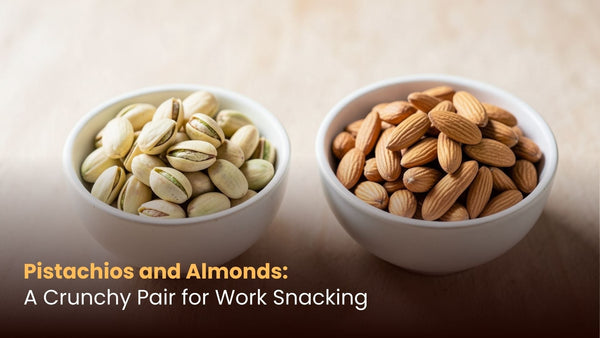
Pistachios support mindful eating. The effort needed is to crack one slow consumption while providing protein, fibre and heart-healthy fats. Their unique green colour comes from chlorophyll and antioxidants.
Research shows that the physical act of shelling pistachios encourages portion control. Each serving offers 6 grams of protein and potassium for heart health. Pistachios are one of the most common types of dry fruits for everyone.
Raisins
These wrinkled, dry fruit types are sweet. But pack high amounts of iron, potassium and antioxidants. Raisins are a good choice for oatmeal, salads and trail mixes. Their natural sweetness satisfies sugar cravings. Iron in raisins supports healthy blood oxygen transport. While the fibre helps in digestion. So, use them as pre-workout fuel for instant energy release.
Prunes
Prunes are dried plums. They include fibre and are good for digestive health. These are dark in colour, chewy, dry fruit that contains vitamin K, potassium and antioxidants. Beyond digestive health, prunes support bone density and maintain healthy gut bacteria.
Dry figs
These are dry fruits that include edible skin. Its skin includes hundreds of tiny seeds that create a different texture and mild sweetness. Figs provide impressive concentrations of copper and magnesium. They have natural enzyme content that helps protein digestion. The combination of fibre and natural sugars regulates blood sugar levels.
Cranberries
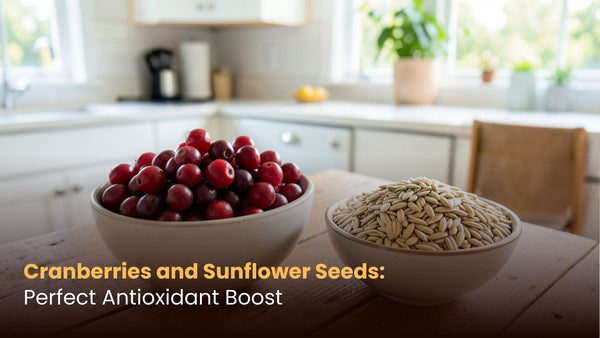
Dried cranberries bring bright colour and tart flavour. This dry fruit supports urinary tract health and provides powerful antioxidant protection. However, look for unsweetened varieties to avoid added sugars. Their tartness balances well with sweeter nuts and dates in homemade trail mixes. It is one of the most underrated among the different types of dry fruits.
Potential Health Benefits of Dry Fruits
Increases immunity
Dry fruits are loaded with proteins, potassium and calcium that help to increase immunity. Also the presence of oxidants can help to fight against various infections and illnesses.
Helps in weight management
Dry fruits are a good choice for weight loss support. If you eat them in moderation. They are low in fat, carbohydrates, sugar and high in proteins and essential oils.
Keeps skin healthy
Dry fruits help to keep skin healthy and glowing. They are rich in essential oils and antioxidants that help skin to regenerate healthy skin cells and delay aging.
Fight against constipation
Dry fruits contain a huge number of dietary fibres. It helps to fight against constipation and keep the gut healthy.
Helps to reduce the cancer risk
Dry fruits are rich in antioxidants and phytonutrients. It lowers the cancer-causing cells, thereby reducing the risk of the occurrence of certain cancers.
Maintain a healthy heart
Dry fruits balance the cholesterol levels and normalise blood pressure. They also reduce heart disease risk, stroke, etc.
Healthy bones
Dry fruits are rich in proteins, calcium and other micronutrients. It helps to maintain healthy bones and strengthen them.
Conclusion
Dry fruits are a necessary part of the diet as they contain a large number of nutrients. It also helps to decrease cravings. Consuming them in balanced quantities provides several health benefits, like increasing immunity, haemoglobin levels, and keeping the heart and bones healthy.
FAQs
1. Why should dry fruits be included in the daily diet?
Dry fruits should be included in the daily diet. As they are good for your health and are a nutrient dense snack option.
2. How many dry fruits should be eaten daily?
Generally, 20-30 grams of nuts and 1-2 tablespoons of dry fruits per day should be consumed. This amount offers nutrition without any excessive calorie intake.
3. Do dry fruits help improve heart health?
Yes, they improve heart health. As they contain unsaturated fats, omega-3 fatty acids that improve cholesterol levels. Regular eating can support low LDL levels and promote better cardiovascular health.
4. Can dry fruits help with weight management?
Dry fruits can help with weight management. When consumed in moderation, it also replaces processed snacks.
5. Are dry fruits good for digestion?
Yes, dry fruits are good for digestion. It promotes better bowel movement. Regular fibre intake prevents constipation and improves the digestive system.
6. Do dry fruits boost immunity?
Dry fruits increase immunity. As they contain vitamin E, zinc and antioxidants. It also protects cells from oxidative stress during seasonal changes.
7. Are dry fruits beneficial for brain health?
Certain dry fruits like walnuts are good for brain health. It supports cognitive health. Almonds are also good for the brain. Daily intake of them promotes mental clarity.
8. Can people with diabetes eat dry fruits daily?
People with diabetes should eat dry fruits with caution. Nuts like almonds and pistachios have a low glycaemic effect. But dry fruits like dates and raisins contain natural sugars and should be eaten in moderation.
9. Is it better to eat dry fruits raw, soaked, or roasted?
Raw, soaked, and roasted dry fruits are beneficial to eat. As it improves digestion. Light roasting improves the flavour. So, it is important to choose the minimum processed versions without any added sugar.
10. What is the best time of day to eat dry fruits?
The best time to eat dry fruits is in the morning. As a mid-day snack or before a workout. It helps to sustain energy.







Share Your Thoughts