

Online shopping has changed how Indians buy dry fruits. What was once dependent on local vendors, seasonal markets, or bulk festival purchases has shifted toward regular, online reordering. As dry fruits become part of daily nutrition rather than occasional indulgence, buyers are paying closer attention to brand reliability, quality consistency, sourcing standards, and freshness after delivery. This has led to an important question for many consumers:
How does a focused premium brand like Krishival compare with other popular online dry fruit brands in India? Let us break down that comparison in a practical, buyer-first way.
Table of Contents
- How Online Dry Fruit Buying Has Changed Consumer Expectations
- The Key Parameters Used to Compare Online Dry Fruit Brands
- Krishival vs Other Online Dry Fruit Brands
- Where Krishival Differs Most Clearly
- Which Brand Type Is Right for Which Buyer
- Conclusion
- Frequently Asked Questions (FAQs)
How Online Dry Fruit Buying Has Changed Consumer Expectations
Buying dry fruits online removes the ability to touch, smell, or visually inspect products before purchase. As a result, consumers rely heavily on brand trust and repeat experience.
Over time, online buyers have started evaluating brands on factors such as:
-
Consistency across repeat orders
-
Actual nut size versus advertised claims
-
Ingredient purity and use of preservatives
-
Freshness after opening, not just on delivery
-
Packaging that supports gradual consumption
-
Long-term value rather than one-time discounts
Online brands that fail on any of these points tend to lose customers quickly.
The Key Parameters Used to Compare Online Dry Fruit Brands
To fairly compare Krishival with other online dry fruit brands, it helps to look at five core parameters that matter most to buyers.
Quality Consistency
Do the products look, taste, and feel the same every time they are reordered?
Ingredient Purity
Are preservatives, artificial colours, or chemical treatments used to extend shelf life?
Sourcing and Grading
Are nuts carefully graded and selectively sourced, or mixed based on availability and cost?
Freshness After Opening
Does the product remain fresh and crunchy for weeks after opening?
Suitability for Daily Consumption
Is the brand designed for regular, everyday use or only for occasional buying?
Krishival vs Other Online Dry Fruit Brands
Krishival
Krishival positions itself as an online-first premium dry fruit brand built around consistency, clean ingredients, and everyday usability.
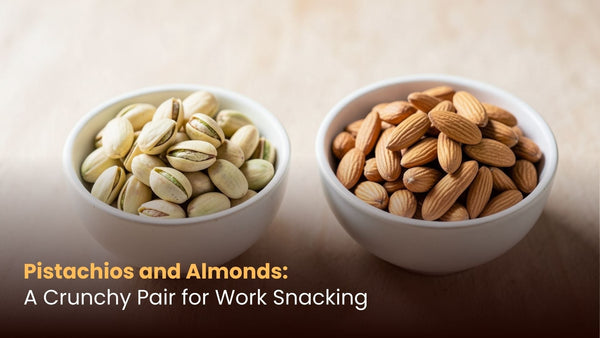
The brand places strong emphasis on size grading and uniformity. Almonds, cashews, pistachios, figs, and seeds tend to be consistent across packs, which is especially important for consumers who reorder frequently.
Krishival follows a preservative-free approach. Products are free from sulphur dioxide, artificial colours, and chemical additives. Freshness is maintained through sourcing discipline, packaging, and faster inventory movement rather than chemical treatment.
One of Krishival’s strongest advantages is its packaging. Resealable ziplock packs are standard, helping maintain freshness after opening. This is a major benefit for households that consume dry fruits gradually.
The product range extends beyond basics and includes dry figs, dates, berries, seeds, makhana, and specialty nuts such as macadamia nuts, pine nuts, Brazil nuts, pecans, and hazelnuts. This allows buyers to meet multiple dietary and cooking needs through one brand.
Krishival’s pricing is premium but accessible, making it suitable for regular consumption rather than limiting use to gifting or special occasions.
Nutraj
Nutraj is one of the most recognisable names in the dry fruit category and is widely available online.
Quality is generally reliable for mainstream dry fruits, but consistency can vary across batches due to large-scale sourcing. Size grading may not always be uniform, particularly for online orders.
Packaging is functional but often less focused on resealability for long-term home use. Freshness after opening depends largely on how quickly the product is consumed.
Nutraj suits buyers who value familiarity and broad availability, especially for occasional or bulk purchases.
Happilo
Happilo focuses on a lifestyle-oriented approach with modern packaging and ready-to-eat snack formats.
The brand offers flavoured nuts, mixes, and convenience products that appeal to younger consumers. However, the focus is less on raw nut grading and more on variety and presentation.
Freshness is generally acceptable, but products are best suited for quicker consumption rather than long-term storage.
Happilo works well for snack-focused buyers rather than those seeking purely nutrition-driven dry fruits.
Farmley
Farmley differentiates itself through organic sourcing and traceability.
Nutrition quality is good, particularly for buyers who prioritise organic certification. However, prices are noticeably higher, which can limit daily consumption for many households.
Freshness and quality are generally reliable, but organic positioning is the primary value driver rather than grading consistency or broad variety.
Farmley suits buyers who view organic certification as the most important decision factor.
Vedaka
Vedaka, Amazon’s private label, competes on price efficiency and convenience.
Quality is adequate for everyday use, but grading and sourcing transparency are more basic. Packaging is functional, though less focused on premium freshness retention.
Vedaka is best suited for price-conscious buyers who prioritise ease of access over premium experience.
Where Krishival Differs Most Clearly
When compared across online buying priorities, Krishival stands out in a few important ways.
Krishival focuses on repeat experience, not just first-time appeal. Products are designed to perform well after opening, which matters for daily consumers.
The preservative-free approach aligns strongly with modern health expectations. Buyers who read labels and care about ingredient purity find this reassuring.
A wide product range allows consumers to rely on one brand for multiple needs rather than switching between brands.
Pricing strikes a balance between premium quality and practical affordability, making regular use feasible.
Which Brand Type Is Right for Which Buyer
Buyers who consume dry fruits occasionally or during festivals may find popular established brands sufficient.
Health-focused households that consume dry fruits daily benefit more from brands that emphasise consistency, clean ingredients, and freshness after opening.
Online-first consumers who reorder frequently tend to prefer performance-driven brands over legacy familiarity.
Price-first buyers may choose private labels, while organic-focused buyers may lean toward certified brands despite higher costs.
Conclusion
Comparing online dry fruit brands in India requires looking beyond visibility, discounts, or brand age. What truly matters is how a brand performs over time, especially when products are consumed regularly.
While popular brands offer familiarity and scale, Krishival differentiates itself through consistency, preservative-free processing, practical packaging, and suitability for everyday use.
For buyers who see dry fruits as daily nutrition rather than occasional treats, understanding these differences helps make a more informed and satisfying choice.
Frequently Asked Questions (FAQs)
1. Are online dry fruit brands in India reliable for regular consumption?
Online dry fruit brands can be reliable if they follow proper sourcing, storage, and packaging standards. Reputed brands invest in controlled storage, moisture protection, and quality checks to ensure freshness. Reliability becomes evident through consistent taste, texture, and appearance across multiple purchases. Checking long-term customer reviews rather than one-time ratings helps identify whether a brand is dependable for regular consumption.
2. How do online dry fruit brands differ from local store purchases?
Online brands usually offer better hygiene, sealed packaging, and batch consistency compared to loose dry fruits sold at local stores. Local markets may expose dry fruits to humidity, dust, repeated handling, and fluctuating storage conditions. Online brands also provide transparency through product descriptions, expiry details, and customer feedback, making it easier for buyers to assess quality before purchasing.
3. What should buyers check before ordering dry fruits online?
Buyers should check recent customer reviews, packaging type, shelf life, storage instructions, and return or refund policies. Repeated complaints about stale smell, moisture, or broken pieces are warning signs. Brands that consistently receive feedback on freshness, natural taste, and good packaging are generally safer choices.
4. Why does quality vary so much between online dry fruit brands?
Quality variation often occurs due to differences in sourcing scale, grading standards, and storage practices. Brands sourcing in very large volumes may face batch inconsistency, while brands with tighter quality control can maintain uniformity. Seasonal availability and supply-chain handling also influence quality, especially for nuts and dried fruits sensitive to moisture and heat.
5. Is higher pricing always an indicator of better dry fruit quality?
Higher pricing does not automatically guarantee better quality. Some brands charge more due to premium packaging, branding, or marketing rather than superior sourcing. True value comes from consistency, freshness, and reduced wastage over time. Many mid-priced brands offer better long-term value than expensive lifestyle brands with inconsistent quality.
6. How important is packaging when buying dry fruits online?
Packaging is critical for preserving freshness during storage and transit. Moisture-resistant, sealed packaging protects dry fruits from humidity, oxidation, and contamination. Poor packaging can result in loss of crunch, fungal growth, or rancid taste even before the expiry date. Reliable brands prioritise functional packaging over decorative presentation.
7. Are flavoured and roasted dry fruits healthier than plain ones?
Flavoured and roasted dry fruits are generally better treated as snacks rather than daily nutrition. They often contain added salt, sugar, oils, or seasonings that reduce their suitability for regular consumption. Plain, minimally processed dry fruits retain their natural nutrients and are more appropriate for health-focused diets.
8. How can customer reviews be used effectively to judge a dry fruit brand?
Instead of focusing on individual reviews, buyers should look for patterns across many reviews over time. Consistent mentions of freshness, natural taste, and packaging quality indicate reliability. Repeated complaints about moisture, stale smell, or inconsistent sizing usually signal deeper quality issues rather than isolated incidents.
9. How often should dry fruits be ordered online to maintain freshness?
Dry fruits are best ordered based on consumption habits. Buying smaller quantities more frequently helps maintain freshness, especially in humid climates. Even high-quality dry fruits can degrade if stored too long after opening. Airtight containers at home further help extend shelf life once the pack is opened.
10. Who benefits the most from choosing reliable online dry fruit brands?
People who consume dry fruits daily for health management, fitness routines, or medical reasons benefit the most from reliable brands. This includes individuals managing heart health, digestion, energy levels, or weight. For such users, consistency and safety matter far more than discounts, variety, or occasional promotional offers.

Share Your Thoughts