

Anjeer and hazelnuts are both nutrient-dense foods that play an important role in supporting bone health. Anjeer is widely known for its mineral richness and digestive benefits, while hazelnuts provide healthy fats and micronutrients essential for bone strength. When combined, anjeer and hazelnuts create a balanced nutritional pairing that supports bone density, mineral absorption, and long-term skeletal health. This combination is especially useful for adults, ageing individuals, and anyone looking to strengthen bones naturally through diet.
What Are Anjeer and Hazelnuts?
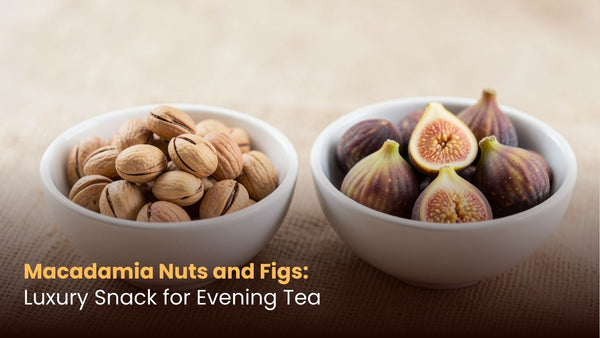
Anjeer, commonly known as dried figs, is a naturally sweet dried fruit obtained by drying fresh figs. It has been a part of traditional diets for centuries due to its fiber and mineral content. Hazelnuts are tree nuts with a mild, buttery taste, widely used in both sweet and savoury preparations. They are valued for their healthy fats, vitamins, and minerals that contribute to overall nutrition and bone support.
Nutritional Profile of Anjeer for Bones
Anjeer is particularly beneficial for bones because of its high calcium content, which is essential for maintaining bone mass and strength. It also provides magnesium and phosphorus, minerals that work alongside calcium to improve bone structure. The fibre in anjeer supports better digestion, which indirectly enhances mineral absorption. Additionally, anjeer contains small amounts of vitamin K and antioxidants that help protect bone cells from oxidative stress.
Nutritional Profile of Hazelnuts for Bones
Hazelnuts contribute to bone health by providing magnesium, manganese, and healthy fats. Magnesium helps regulate calcium levels in the body, while manganese plays a role in bone formation and connective tissue health. Hazelnuts also contain vitamin E, which helps reduce inflammation and oxidative damage that can weaken bones over time. Their healthy fat content supports the absorption of fat-soluble vitamins needed for skeletal maintenance.
How the Anjeer and Hazelnuts Combo Supports Bone Density
When anjeer and hazelnuts are consumed together, they support bone density by working through multiple complementary nutritional pathways. Anjeer is naturally rich in calcium and phosphorus, two minerals that form the primary structural components of bones and teeth. Regular intake of these minerals helps maintain bone mass and supports the ongoing process of bone remodelling, which is essential at all ages, especially as bone density naturally declines with time.
Hazelnuts contribute to this process by supporting mineral balance rather than structure alone. They provide magnesium and manganese, which play a critical role in regulating how calcium is absorbed, stored, and utilised by the body. Magnesium helps prevent calcium loss from bones, while manganese supports the formation of connective tissue and bone matrix. Without adequate levels of these supporting minerals, calcium intake alone may not be effectively used by the body.
The fibre content in anjeer further strengthens this combination by improving digestive health. Healthy digestion supports better nutrient absorption in the intestines, ensuring that minerals such as calcium, magnesium, and phosphorus are absorbed efficiently rather than being excreted unused. Improved gut function also helps maintain a balanced internal environment, which is important for long-term bone health.
Hazelnuts also provide healthy fats that enhance the absorption of fat-soluble nutrients involved in bone maintenance. These fats help the body utilise vitamins and antioxidants that protect bone cells from oxidative stress and inflammation, both of which can contribute to bone weakening over time. As a result, the combination of anjeer and hazelnuts creates a more complete nutritional support system for bone density than consuming either food on its own.
Scientific Evidence on Anjeer and Hazelnuts Combo for Bone Density
Scientific studies have consistently shown that diets rich in calcium, magnesium, and healthy fats are associated with better bone density and reduced risk of bone loss. Research on dried fruits like figs indicates their role in improving bone mineral content due to their alkaline mineral profile. Studies on nuts, including hazelnuts, highlight the importance of magnesium and anti-inflammatory compounds in maintaining bone strength. While direct studies on the exact combination are limited, nutritional science strongly supports their combined benefits.
Health Benefits Beyond Bone Density
Beyond supporting bone density, the combination of anjeer and hazelnuts contributes to overall health in several important ways. Anjeer is rich in dietary fibre, which plays a key role in maintaining digestive health. Regular intake supports smooth bowel movement, improves gut function, and helps the body eliminate waste efficiently. Better digestion also enhances nutrient absorption, allowing the body to make more effective use of the minerals and vitamins present in daily meals. When consumed in moderation, the natural sugars in anjeer provide steady energy without causing sharp spikes in blood sugar levels, making it suitable for sustained daily nutrition.
Hazelnuts add significant cardiovascular benefits to this combination. They are rich in healthy unsaturated fats that help support balanced cholesterol levels by reducing bad cholesterol while maintaining good cholesterol. Hazelnuts also provide antioxidants and vitamin E, which help protect blood vessels from oxidative stress and inflammation. These properties support heart health and improve overall circulation, which is important for delivering oxygen and nutrients throughout the body.
Together, anjeer and hazelnuts support improved energy levels by providing a balance of carbohydrates, healthy fats, and essential minerals. This combination helps prevent fatigue and supports muscle function, especially for individuals with active lifestyles. The presence of magnesium and other micronutrients contributes to proper muscle contraction and relaxation, reducing the risk of cramps and weakness. By covering multiple nutritional needs beyond bone health, this pairing supports daily wellness and makes a practical addition to a balanced, long-term diet.
Daily Serving Recommendations
For supporting bone health through diet, moderation and consistency are more important than consuming large quantities. A practical daily serving typically includes 2 to 3 soaked anjeer combined with a small handful of hazelnuts. This portion provides a steady supply of calcium, magnesium, and other supportive nutrients without placing unnecessary strain on digestion or increasing calorie intake excessively.
Soaking anjeer overnight plays an important role in improving its effectiveness. The soaking process softens the fruit, reduces digestive heaviness, and enhances the body’s ability to absorb minerals such as calcium and magnesium. It also makes anjeer easier to chew and gentler on the gut, which is particularly helpful for older adults or those with sensitive digestion.
Hazelnuts can be consumed raw or lightly roasted, depending on preference. Raw hazelnuts retain their full nutrient profile, while light roasting enhances flavour without significantly affecting mineral content. Heavy roasting should be avoided, as excessive heat can reduce the availability of certain nutrients.
Portion control remains essential because both anjeer and hazelnuts are calorie-dense foods. Overconsumption may lead to digestive discomfort or unwanted calorie excess. Regular, moderate intake supports gradual nutrient replenishment and long-term bone maintenance more effectively than irregular or excessive consumption.
Delicious Recipes with Anjeer and Hazelnuts Combo for Bone Density
Anjeer and hazelnuts can be combined in simple, everyday recipes that support bone density while fitting easily into regular diets. One of the easiest preparations is a calcium-rich snack made by finely chopping soaked anjeer and mixing it with crushed hazelnuts. Adding this mixture to plain yoghurt creates a balanced snack that provides calcium, magnesium, healthy fats, and protein. A light drizzle of honey enhances the taste without overpowering the natural flavours, making it suitable for both adults and children.
Another effective way to include this combination is in oatmeal or porridge. Chopped soaked anjeer adds natural sweetness and fibre, while hazelnuts contribute crunch and bone-supporting minerals. This breakfast option is particularly beneficial because it delivers sustained energy along with nutrients needed for bone maintenance. Cooking oats in milk or a fortified plant-based alternative further increases calcium intake.
Anjeer and hazelnuts can also be blended into smoothies for a quick and nourishing option. Soaked anjeer blends smoothly and pairs well with fruits, milk, or yoghurt, while ground hazelnuts add healthy fats that improve nutrient absorption. For convenience, the combination can be used in homemade energy bites, where chopped anjeer acts as a natural binder and hazelnuts add texture and nutrition. These can be prepared in advance and consumed throughout the week, making bone-supportive nutrition easy and consistent.
Potential Risks and Precautions
While anjeer and hazelnuts are generally safe, excessive consumption can cause digestive discomfort due to high fibre and fat content. People with nut allergies should avoid hazelnuts. Individuals with diabetes should monitor portions of anjeer because of its natural sugar content. Those with kidney-related mineral restrictions should consult a healthcare professional before regular use.
Conclusion
Maintaining strong bones requires consistent intake of the right nutrients rather than reliance on supplements alone. Anjeer and hazelnuts provide a natural combination of calcium, magnesium, healthy fats, and supportive nutrients that help maintain bone density over time. When sourced from reliable brands that focus on quality and freshness, these foods can be confidently included in daily diets. In this context, Krishival offers well-handled anjeer and hazelnuts that fit seamlessly into bone-supportive nutrition routines, making healthy choices easier and more dependable.
Frequently Asked Questions (FAQs)
1. How do anjeer and hazelnuts help in maintaining bone density?
Anjeer and hazelnuts support bone density by providing complementary nutrients essential for bone structure and strength. Anjeer supplies calcium, magnesium, and phosphorus, which form the core mineral framework of bones. Hazelnuts contribute magnesium, manganese, and healthy fats that help regulate calcium balance and support bone formation. Together, they aid mineral absorption, reduce inflammation, and support long-term skeletal health.
2. Is the anjeer and hazelnuts combination effective for preventing age-related bone loss?
Yes, this combination can help slow age-related bone loss when consumed regularly as part of a balanced diet. As people age, mineral absorption declines and bone breakdown increases. The fibre in anjeer improves gut health and mineral uptake, while hazelnuts provide nutrients that support bone metabolism. Although it cannot reverse severe bone conditions, it helps maintain bone strength over time.
3. Can this combination benefit women at risk of osteoporosis?
Women, especially post-menopause, are at higher risk of bone density loss due to hormonal changes. Anjeer provides plant-based calcium, while hazelnuts supply magnesium and anti-inflammatory compounds that support bone preservation. Regular intake, along with adequate vitamin D and physical activity, can be beneficial for women aiming to support bone health naturally.
4. Should anjeer be soaked before eating for better bone benefits?
Soaking anjeer is strongly recommended. Soaking softens the fruit, reduces digestive strain, and improves mineral bioavailability, especially calcium and magnesium. Better digestion directly supports better nutrient absorption, making soaked anjeer more effective for bone health than dry consumption.
5. How many anjeer and hazelnuts should be consumed daily for bone health?
A practical daily serving is 2–3 soaked anjeer along with a small handful of hazelnuts. This portion provides beneficial nutrients without excessive calorie intake. Consistency matters more than quantity, so regular moderate intake is more effective than occasional large servings.
6. Can children consume anjeer and hazelnuts for bone development?
Yes, children can benefit from this combination as it supports bone growth during developmental years. Anjeer should be soaked and chopped, and hazelnuts should be crushed or finely chopped to avoid choking risks. Portions should be smaller and adjusted based on age and dietary needs.
7. Is this combination suitable for people who cannot consume dairy?
Yes, anjeer and hazelnuts are suitable plant-based alternatives for people with lactose intolerance or dairy avoidance. While they do not fully replace dairy in calcium quantity, they provide meaningful amounts of calcium, magnesium, and supportive nutrients that contribute to bone health when combined with other plant-based foods.
8. How long does it take to notice improvements in bone health?
Bone density changes occur slowly and cannot be felt immediately. Nutritional support from anjeer and hazelnuts works over months rather than weeks. With consistent intake and a balanced lifestyle, these foods help maintain bone strength and reduce gradual mineral loss rather than produce quick, noticeable changes.
9. Are there any risks or side effects of consuming anjeer and hazelnuts daily?
When eaten in moderation, side effects are uncommon. Excessive intake may cause digestive discomfort due to high fibre and fat content. People with nut allergies should avoid hazelnuts. Individuals with kidney-related mineral restrictions should consult a healthcare professional before regular consumption.
10. Can anjeer and hazelnuts replace calcium supplements?
They can support dietary calcium intake but should not be seen as a direct replacement for prescribed calcium supplements in cases of deficiency or osteoporosis. For general bone maintenance, they are useful dietary additions, but medical conditions require professional guidance and, if needed, supplementation.








Share Your Thoughts