
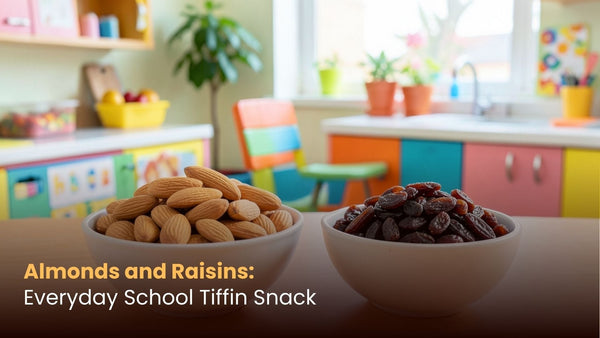
After a gym workout, the body needs the right balance of nutrients to recover, rebuild muscles, and restore energy levels. Almonds and raisins together form a simple, natural post-workout snack that meets these needs without relying on processed protein bars or sugary drinks. Raisins provide quick energy to replenish depleted glycogen stores, while almonds supply protein, healthy fats, and minerals that support muscle repair. This combination is easy to carry, requires no preparation, and fits well into most fitness routines, making it a practical choice for regular gym-goers.
Nutritional Breakdown of Almonds and Raisins
Almonds are rich in plant-based protein, healthy monounsaturated fats, vitamin E, magnesium, and calcium. These nutrients play an important role in muscle function, recovery, and reducing exercise-induced stress. Raisins are high in natural carbohydrates, iron, potassium, and antioxidants. Their natural sugars help restore energy quickly, while minerals support muscle contraction and prevent cramps. Together, almonds and raisins offer a balanced mix of carbohydrates, protein, fats, and micronutrients essential after exercise.
Almonds and Raisins for Muscle Recovery
Muscle recovery depends on adequate protein intake and mineral support. Almonds contribute amino acids required for muscle repair, along with magnesium, which helps relax muscles and reduce post-workout soreness. Raisins support recovery indirectly by restoring energy levels, allowing muscles to repair efficiently rather than remaining in a depleted state. Consuming this combination after workouts helps reduce fatigue and supports consistent training performance.
Energy Replenishment with This Simple Snack
During workouts, the body uses stored glycogen for fuel. Raisins help replenish these stores quickly because their natural sugars are easily absorbed. When paired with almonds, the energy release becomes more sustained rather than causing a sudden spike and crash. This makes almonds and raisins ideal not only immediately after workouts but also during long training sessions or between workouts and meals.
Anti-Inflammatory Benefits Post-Exercise
Intense exercise can lead to temporary inflammation and oxidative stress in muscles. Almonds contain antioxidants like vitamin E that help reduce oxidative damage, while raisins provide polyphenols that support recovery and reduce inflammation. Together, they help the body manage post-exercise stress more effectively, leading to faster recovery and reduced soreness over time.
How to Prepare Almonds and Raisins Snacks
Preparing almonds and raisins as a post-workout or everyday snack is simple and adaptable to different preferences and routines. One common method is soaking almonds overnight in clean water. Soaking helps soften the almonds, reduces digestive strain, and may improve the absorption of minerals such as magnesium and calcium. In the morning, the soaked almonds can be peeled if preferred and consumed directly or combined with other foods. Raw almonds are also suitable if soaking is not convenient, while lightly roasted, unsalted almonds can be used for those who prefer a crunchier texture.
Raisins can be eaten directly as they are naturally soft and easy to digest. Some people choose to soak raisins in water for a few hours or overnight, which increases their water content and makes them gentler on the digestive system. Soaked raisins can be especially helpful for people who experience bloating or dryness after workouts, as they contribute to hydration along with energy replenishment.
For convenience, a basic snack mix can be prepared by combining a small handful of almonds with a spoonful or two of raisins. This mix can be portioned into small containers, reusable pouches, or zip-lock bags and stored at room temperature or in the refrigerator, depending on personal preference. Pre-portioning helps control serving size and makes the snack easy to carry to the gym, workplace, or during travel. This flexibility ensures that almonds and raisins can be consistently included in daily routines without any complicated preparation.
Sample Recipes for After Gym Recovery
Almonds and raisins can be used in a variety of simple, practical recipes that support post-gym recovery without requiring complex preparation. One of the easiest options is a homemade trail mix prepared using almonds and raisins in a 2:1 ratio. This ratio allows raisins to provide quick energy replenishment, while almonds supply protein, healthy fats, and minerals for muscle recovery. The quantity can be adjusted based on workout intensity, with slightly more raisins after endurance sessions and a higher almond proportion after strength training.
Another effective option is soaking almonds overnight and pairing them with raisins after workouts. Soaking almonds softens them, improves digestion, and enhances mineral absorption, making them easier on the stomach after intense exercise. This combination works especially well for early morning workouts when digestion may be sensitive.
Almonds and raisins also blend well into yoghurt or smoothies, creating a more filling recovery snack. Chopped almonds add texture and healthy fats, while raisins contribute natural sweetness and carbohydrates. This option is useful when a light meal is needed soon after training but before a full meal.
For those who prefer warm foods, chopped almonds and raisins can be added to oatmeal or porridge after workouts. The warmth improves comfort and digestion, while the combination delivers sustained energy and supports muscle repair. This approach works well after morning or winter workouts when warm meals are more appealing.
Case Study: Real Gym-Goers' Experiences
Across different fitness levels and training routines, many gym-goers have shared positive experiences after replacing packaged post-workout snacks with almonds and raisins. One common observation is improved energy levels immediately after workouts. Unlike processed bars or sugary drinks that often lead to quick spikes followed by crashes, almonds and raisins provide a steadier source of energy. Raisins help restore glycogen stores quickly, while almonds slow digestion and sustain energy release, allowing users to feel energised for longer periods after training.
Another frequently reported benefit is improved digestion. Many packaged snacks contain additives, artificial sweeteners, or excess sugar that can cause bloating or discomfort after exercise. In contrast, almonds and raisins are simple, whole foods that are generally easier on the digestive system when consumed in appropriate portions. Several users mention feeling lighter and more comfortable post-workout, which makes it easier to resume daily activities without fatigue or heaviness.
Reduced muscle soreness is another theme that emerges from real-life experiences. Regular gym-goers report that consistent consumption of almonds and raisins after workouts helps support faster recovery, likely due to the presence of magnesium, antioxidants, and healthy fats. Over time, this contributes to less stiffness and improved readiness for subsequent training sessions.
This combination has also proven especially helpful for individuals who train early in the morning. When full meals are not practical immediately after exercise, almonds and raisins offer a convenient and portable alternative. Many early-morning exercisers note that this snack helps bridge the gap until breakfast, preventing energy dips and supporting focus and productivity. As a result, users often experience better consistency in their training routines, with fewer skipped sessions due to fatigue or poor recovery.
Comparison Table: Almonds and Raisins vs. Other Snacks
|
Snack Option |
Energy Source |
Protein Content |
Additives |
Suitability Post-Workout |
|
Almonds and Raisins |
Natural carbs + fats |
Moderate |
None |
High |
|
Protein Bars |
Processed carbs |
High |
Often yes |
Medium |
|
Sports Drinks |
Refined sugars |
Low |
Yes |
Short-term only |
|
Biscuits/Packaged Snacks |
Refined carbs |
Low |
Yes |
Low |
Daily Intake Guidelines and Precautions
A typical post-workout serving of almonds and raisins is designed to provide enough nutrients for recovery without excessive calorie intake. Consuming around 8 to 10 almonds supplies healthy fats, protein, and essential minerals that support muscle repair and reduce post-exercise fatigue. Adding 1 to 2 tablespoons of raisins provides natural carbohydrates that help replenish glycogen stores and restore energy levels after physical activity. This balance helps the body recover efficiently while avoiding unnecessary heaviness.
Portion control plays a key role because both almonds and raisins are calorie-dense foods. Eating larger quantities than required may lead to excess calorie intake, which can slow progress for individuals working toward weight management goals. Measuring portions or preparing pre-portioned snack packs can help maintain consistency and prevent overeating.
People with nut allergies should completely avoid almonds and choose alternative recovery options such as seeds or other safe carbohydrate-protein combinations. Individuals managing blood sugar levels, including those with diabetes, should be mindful of raisin intake due to their natural sugar content. Pairing raisins with almonds helps slow sugar absorption, but monitoring individual response and adjusting portions is still important.
Hydration is another important factor in post-workout recovery. Drinking sufficient water alongside this snack supports digestion, nutrient absorption, and muscle recovery. Proper hydration also helps prevent cramps and fatigue, allowing the body to make better use of the nutrients provided by almonds and raisins.
Conclusion
Almonds and raisins offer a natural, balanced, and effective solution for post-gym recovery. They support muscle repair, restore energy, reduce inflammation, and fit easily into busy lifestyles. When consumed in the right portions, this simple snack can replace processed alternatives and support long-term fitness goals, making it a reliable choice for anyone serious about consistent training and recovery. Krishival supplies fresh almonds and raisins to keep your routine stocked.
Frequently Asked Questions
1. Why are almonds and raisins considered a good post-workout snack?
Almonds and raisins work well after workouts because they provide a balanced mix of nutrients the body needs for recovery. Raisins supply quick-digesting natural carbohydrates that help replenish depleted glycogen stores, while almonds provide protein, healthy fats, and minerals that support muscle repair and reduce fatigue. This combination helps restore energy and supports muscle recovery without relying on processed foods.
2. How soon after a workout should almonds and raisins be consumed?
Ideally, almonds and raisins should be consumed within 30 to 60 minutes after a workout. This window is when muscles are most receptive to nutrients. Eating them during this period helps speed up energy restoration and supports muscle recovery, especially when a full meal is not immediately available.
3. How much almonds and raisins should be eaten after gym workouts?
A practical serving size is around 8–10 almonds along with 1–2 tablespoons of raisins. This portion provides enough carbohydrates for energy replenishment and sufficient nutrients for recovery without excessive calorie intake. Portion sizes can be adjusted based on workout intensity and individual nutritional needs.
4. Can almonds and raisins replace protein shakes after workouts?
For light to moderate workouts, almonds and raisins can support recovery effectively. However, for intense strength training or muscle-building programs, additional protein sources may be required to meet higher protein needs. Almonds and raisins work best as a natural recovery snack rather than a complete replacement for high-protein supplements.
5. Are soaked almonds better than raw almonds after workouts?
Soaked almonds are often easier to digest and may improve mineral absorption, making them a good option post-workout. However, raw almonds are also effective. The choice depends on individual digestion and preference. Lightly roasted, unsalted almonds can also be used if raw almonds are not preferred.
6. Do raisins cause blood sugar spikes after exercise?
Raisins contain natural sugars, but when consumed after exercise and paired with almonds, their effect on blood sugar is more balanced. Physical activity increases insulin sensitivity, allowing muscles to use glucose more efficiently. Pairing raisins with almonds further slows sugar absorption and reduces the likelihood of sharp spikes.
7. Is this snack suitable for people aiming for weight loss?
Yes, almonds and raisins can fit into a weight-loss plan when eaten in controlled portions. They help prevent post-workout hunger, reduce cravings for unhealthy snacks, and support recovery without excessive calories. Portion control is key to aligning this snack with weight-loss goals.
8. Can beginners benefit from almonds and raisins after workouts?
Beginners often benefit greatly from this snack because it provides gentle, natural recovery support. It helps reduce early-stage muscle soreness, restores energy, and supports consistent workout routines without overwhelming the body with heavy supplements or processed foods.
9. Can almonds and raisins be consumed on rest days?
Yes, they can be consumed on rest days as a healthy snack. On rest days, smaller portions are recommended since energy demands are lower. They help maintain nutrient intake and support overall recovery between workout sessions.
10. Are there any precautions when consuming almonds and raisins regularly?
People with nut allergies should avoid almonds. Raisins are calorie-dense and contain natural sugars, so individuals with blood sugar concerns should monitor portion sizes. Excessive intake may lead to unwanted calorie surplus. Maintaining moderation and hydration helps maximize benefits while avoiding side effects.




Share Your Thoughts