

Pumpkin Seeds and Hazelnuts: The Superfood Combo for Immunity
Pumpkin seeds and hazelnuts are two of the most nutrient-rich superfoods that can naturally strengthen your immune system. Pumpkin seeds are packed with zinc, magnesium, and antioxidants, all essential for fighting infections and keeping your immune system alert. Hazelnuts, on the other hand, are rich in vitamin E, healthy fats, and plant compounds that support immune cell activity and reduce inflammation. When combined, pumpkin seeds and hazelnuts create a powerful synergy that not only boosts immunity but also supports heart, brain, and gut health. Including this combo in your daily diet can help you stay stronger, more energetic, and better protected against seasonal illnesses.
Table of Contents
- Introduction
- What Makes Pumpkin Seeds a Nutrient Powerhouse
- Key Nutrients in Hazelnuts That Strengthen Immunity
- Why Pumpkin Seeds and Hazelnuts Work Best Together
- Antioxidant and Mineral Synergy for Immune Boosting
- How These Superfoods Support Gut and Heart Health
- Daily Recommended Intake and Serving Ideas
- Best Time to Eat Pumpkin Seeds and Hazelnuts for Immunity
- Precautions and Possible Side Effects
- Delicious Ways to Include the Combo in Your Diet
- Conclusion
- FAQs
What Makes Pumpkin Seeds a Nutrient Powerhouse
Pumpkin seeds, also called pepitas, are a dense source of essential nutrients. They are high in zinc, which supports immune response, wound healing, and growth. Magnesium in pumpkin seeds helps maintain nerve and muscle function, while iron improves oxygen transport in the blood. These small seeds also contain antioxidants like vitamin E and carotenoids that protect your body’s cells from free radical damage. Regular consumption of pumpkin seeds can reduce inflammation, support prostate and bladder health, and improve overall immunity.
Key Nutrients in Hazelnuts That Strengthen Immunity
Hazelnuts are an excellent source of vitamin E, manganese, copper, and healthy monounsaturated fats. Vitamin E is one of the most powerful antioxidants that protect white blood cells and prevent oxidative stress, keeping the immune system balanced. Copper and manganese aid in the formation of immune enzymes that enhance your body’s defense mechanism. Hazelnuts also contain B vitamins that support energy production, helping your body stay active and resilient. Eating hazelnuts regularly improves not just immunity but also cardiovascular and brain health.
Why Pumpkin Seeds and Hazelnuts Work Best Together
When eaten together, pumpkin seeds and hazelnuts provide a perfect balance of protein, healthy fats, and minerals that boost your immune system’s efficiency. The zinc from pumpkin seeds complements the vitamin E in hazelnuts, creating an antioxidant-rich duo that fights infections and reduces cell damage. This combination helps your body recover faster from illness, enhances energy metabolism, and keeps inflammation under control. Their nutrient diversity makes them an ideal snack for both children and adults.
Antioxidant and Mineral Synergy for Immune Boosting
The combined effect of hazelnuts and pumpkin seeds offers a unique balance of antioxidants and essential minerals that help strengthen the immune system from multiple angles. Zinc and magnesium, both abundant in pumpkin seeds, play vital roles in immune cell development and function. Zinc assists in the production of white blood cells and antibodies that fight off infections, while magnesium supports the regulation of immune responses and helps reduce inflammation in the body.
At the same time, hazelnuts contribute a generous dose of vitamin E and selenium, two powerful antioxidants that protect immune cells from oxidative damage caused by free radicals. These nutrients act as natural shields, preserving cell structure and ensuring that the immune system functions efficiently even under stress. The antioxidants from hazelnuts not only protect immune cells but also improve blood circulation, ensuring that immune-supporting nutrients reach every part of the body effectively.
This combination also creates a balance between stimulation and control of the immune system. While the minerals from pumpkin seeds enhance the production of immune cells, the antioxidants from hazelnuts prevent these cells from becoming overactive, which could otherwise lead to unnecessary inflammation or fatigue. The anti-inflammatory compounds present in both foods—such as phytosterols, polyphenols, and healthy fats—help regulate immune activity, promoting resilience without overstimulation.
Regular consumption of hazelnuts and pumpkin seeds can thus help the body maintain a well-coordinated defence mechanism. It supports faster recovery from illness, reduces oxidative stress, and enhances long-term immunity, making this combination an excellent natural supplement for overall health and well-being.
How These Superfoods Support Gut and Heart Health
A strong immune system and a healthy heart are deeply connected to how well your gut functions. The gut is often referred to as the body’s second brain because it influences not just digestion but also immunity, energy levels, and even mood. When you nourish your gut with the right nutrients, your body can better absorb vitamins, regulate inflammation, and maintain balance across all systems.
Hazelnuts and pumpkin seeds are two of the most powerful superfoods that work together to support this connection. The fiber in hazelnuts acts as a natural prebiotic, feeding the beneficial bacteria in your intestines. This helps improve digestion, prevent bloating, and enhance the absorption of essential nutrients like magnesium, zinc, and vitamin E. The healthy fats, mainly monounsaturated and polyunsaturated fats, also support the integrity of the gut lining, reducing inflammation and helping your digestive system work smoothly.
Pumpkin seeds, on the other hand, are rich in magnesium, an essential mineral that supports muscle relaxation in the digestive tract. This helps prevent constipation and keeps your bowel movements regular. They also contain zinc, which plays a role in maintaining a strong immune barrier in the gut. Together, these nutrients help ensure your digestive system remains active and balanced.
The benefits of these two foods extend beyond the gut — they are also exceptional for heart health. The antioxidants and healthy fats in hazelnuts help reduce LDL (bad) cholesterol while increasing HDL (good) cholesterol, improving overall lipid balance. Pumpkin seeds contribute by providing plant-based omega-3 fatty acids and phytosterols, both known to support arterial flexibility and reduce the risk of plaque buildup. Magnesium in pumpkin seeds further helps regulate blood pressure and prevents arterial stiffness.
By combining pumpkin seeds and hazelnuts in your daily diet, you get a powerful mix of fiber, minerals, and antioxidants that nourish both your digestive and cardiovascular systems. Regular consumption of this combo supports a strong immune defense, promotes smoother digestion, stabilizes blood sugar, and keeps your heart functioning at its best. Over time, this natural synergy helps maintain long-term vitality, energy, and resilience against lifestyle-related conditions.
Daily Recommended Intake and Serving Ideas
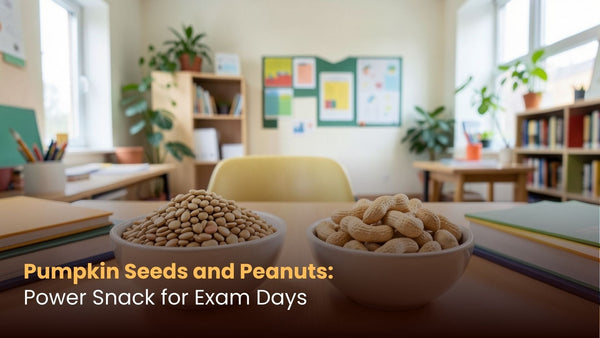
For most adults, a daily serving of 20–30 grams each of pumpkin seeds and hazelnuts is ideal. You can enjoy them as a mid-morning or evening snack, sprinkle them over salads or oatmeal, or blend them into smoothies. Adding a handful of each to your breakfast bowl or trail mix gives you a perfect nutrient boost to start your day. Roasted or lightly salted versions can also be eaten in moderation for added flavor without compromising health.
Best Time to Eat Pumpkin Seeds and Hazelnuts for Immunity
The best time to consume pumpkin seeds and hazelnuts is in the morning or early afternoon. Eating them early in the day allows better absorption of nutrients and keeps energy levels stable. They also make an excellent pre-workout snack since they provide sustained energy and support muscle recovery. Consuming them regularly at the same time each day ensures consistent nutritional benefits and improved immunity over time.
Precautions and Possible Side Effects
While pumpkin seeds and hazelnuts are healthy, moderation is key. Overeating can lead to excessive calorie intake, which may contribute to weight gain. Some people may experience bloating or stomach discomfort if they consume too many seeds due to high fibre content. Those allergic to nuts should avoid hazelnuts or consult their doctor before adding them to their diet. Store both pumpkin seeds and hazelnuts in airtight containers in a cool, dry place to prevent rancidity. Individuals with diabetes, high cholesterol, or digestive conditions should discuss appropriate portions with their nutritionist.
Delicious Ways to Include the Combo in Your Diet
Adding hazelnuts and anjeer to your daily meals is a simple way to boost heart health while enjoying great taste and texture. Start your day with a nutritious breakfast by adding roasted pumpkin seeds and chopped hazelnuts to your morning cereal or oatmeal. The blend of crunchy nuts and soft oats not only makes your breakfast filling but also provides lasting energy through healthy fats and fiber.
Another refreshing option is to blend both hazelnuts and anjeer into a smoothie along with a banana and yogurt. This combination creates a naturally sweet, protein-rich drink that’s perfect for breakfast or a post-workout snack. The natural sugars in anjeer provide quick energy, while hazelnuts add creaminess and essential omega fatty acids.
For a convenient on-the-go snack, prepare a homemade trail mix using chopped anjeer, hazelnuts, and a handful of dark chocolate chips. This mix satisfies sweet cravings while keeping your heart and mind active throughout the day. You can also sprinkle crushed hazelnuts and sliced anjeer over fresh salads or soups. The nutty crunch from hazelnuts pairs beautifully with the soft, chewy sweetness of anjeer, giving your meal a gourmet touch along with valuable nutrients like potassium and magnesium.
If you prefer something that lasts longer, try incorporating both into homemade granola bars or nut butter spreads. Combine chopped hazelnuts, dried anjeer pieces, oats, and a little honey or date paste to form chewy granola bars that can be stored for days. Alternatively, blend roasted hazelnuts with small pieces of anjeer to make a unique, mildly sweet nut butter that goes well on whole-grain toast or as a dip for apple slices.
Including hazelnuts and anjeer creatively in your meals not only enhances your diet with heart-protective nutrients but also adds variety and flavor, making healthy eating a daily pleasure.
Conclusion
Pumpkin seeds and hazelnuts are among the most effective superfoods for building and maintaining a strong immune system. They supply essential vitamins, minerals, and antioxidants that keep your body protected year-round. Whether eaten as a snack or blended into your meals, this combo offers both health and taste. If you’re looking for premium-quality nuts and seeds that retain natural freshness and nutrients, Krishival offers a wide range of handpicked products perfect for daily consumption. Make them part of your diet and experience the difference in your energy, immunity, and overall health.
Frequently Asked Questions (FAQs)
Q1. How do pumpkin seeds help in boosting immunity?
Pumpkin seeds are rich in zinc, magnesium, and antioxidants, all of which strengthen immune cell production and help your body fight infections. Regular consumption enhances defense against viruses and supports faster recovery.
Q2. Are hazelnuts good for preventing seasonal infections?
Yes, hazelnuts contain vitamin E and healthy fats that improve immune function and reduce inflammation, helping the body resist seasonal flu and infections.
Q3. Can I eat pumpkin seeds and hazelnuts together daily?
Absolutely. Eating both together daily provides a balanced mix of essential nutrients, including protein, zinc, vitamin E, and healthy fats, which promote strong immunity and steady energy.
Q4. What is the best time of day to consume these superfoods?
Morning or early afternoon is the ideal time since your body can absorb nutrients efficiently, and the energy boost helps sustain activity throughout the day.
Q5. Do roasted pumpkin seeds lose their nutrients?
Light roasting preserves most nutrients, but over-roasting at high temperatures may reduce antioxidant and vitamin content. Opt for dry-roasted or lightly salted varieties.
Q6. Are hazelnuts suitable for people with high cholesterol?
Yes, hazelnuts help reduce LDL (bad cholesterol) and increase HDL (good cholesterol) due to their monounsaturated fats, making them heart-friendly and safe for those managing cholesterol.
Q7. Can pumpkin seeds and hazelnuts aid in weight management?
Both are rich in fiber and healthy fats that promote fullness and reduce cravings, making them excellent additions to a balanced diet for weight control.
Q8. How much of each should I eat per day for health benefits?
Around 20–30 grams each of pumpkin seeds and hazelnuts per day is sufficient for most adults to gain maximum nutritional benefits without excess calories.
Q9. Are there any side effects of eating too many hazelnuts?
Overeating hazelnuts may cause bloating, digestive discomfort, or excessive calorie intake. People with nut allergies should strictly avoid them.
Q10. Can children also eat this superfood combo for better immunity?
Yes, in small portions. A teaspoon each of pumpkin seeds and chopped hazelnuts can be safely added to their breakfast or snacks to support healthy growth and immune strength.
Share Your Thoughts